 HIPAA Compliant
 ISO 27001 Certified
How Care Access Is Transforming Patient-Centric Clinical Trials

Clinical trials have always been the quiet engines of medical progress. Every pill on a pharmacy shelf, every vaccine, and many surgical devices were once tested in these studies. But for patients, the idea of joining a trial has often felt complicated, distant, and even intimidating.
That is beginning to change. The research community is realizing something simple but powerful: if patients are expected to volunteer their time and trust, then trials should be designed around them, not the other way around. This shift toward “patient-centric” studies is more than a buzzword. It is reshaping how trials are planned, communicated, and delivered.
Care Access is one of the models showing how this can be done by making trials easier to join, less disruptive to daily life, and more welcoming for diverse communities.
What Does “Patient-Centric” Really Mean?
In the past, a trial was something patients had to fit themselves into. Miss work, drive hours to a hospital, deal with paperwork—if you wanted to participate, you carried the burden.
A patient-centric trial flips that idea. It asks: What would make this easier for someone like you or me?
It means:
- Listening to participants’ concerns before the trial even begins
- Cutting down on unnecessary trips and endless forms
- Making instructions clear, friendly, and available in languages people understand
When studies meet patients where they are, enrollment becomes smoother, retention improves, and results become more reliable.
Why the Old Model Struggles
Traditional trials often fall short because they were built around institutions rather than people. Think about the common barriers:
- A patient in a rural town may need to travel half a day just to reach the study site
- Most studies end up recruiting similar demographics, leaving minority groups underrepresented
- Many people simply do not know trials exist, or assume they are “not for people like me”
The outcome is slower recruitment, higher dropout rates, and results that do not tell the full story.
Care Access: Bringing the Trial to the Patient
Care Access takes a different path. Instead of waiting for patients to come to the research site, they bring the research to the patient.
That could mean a mobile research unit parked near a community center. It could mean partnering with a local clinic people already trust. Or it could mean using technology so screening, consent, and some follow-up visits happen at home.
This approach lowers the invisible walls that keep willing participants out of trials.
Communication Matters as Much as Convenience
Recruitment is not only about eligibility checklists. It also depends on how the opportunity is explained. Care Access and similar patient-centric models put effort into:
- Simple screening tools that quickly answer “Am I a fit?”
- Clear conversations about risks and benefits without medical jargon
- Digital paperwork that feels less like a chore
When people feel they understand what is involved, they are more comfortable saying yes.
Why Diversity Is Essential
A therapy tested in only one type of population cannot serve everyone equally. That is why Care Access puts energy into reaching underrepresented groups, translating materials, and working with community leaders who can build trust.
The payoff is not only fairness but also better science. A diverse participant pool means results that reflect the real world, not just a narrow slice of it.
The Direct Benefits for Patients
For participants, this model brings real advantages:
- Fewer long drives and missed workdays
- A chance to try promising therapies before they are widely available
- Ongoing support through check-ins, resources, and help with logistics
For many, there is also a personal reward: knowing that their involvement could help shape better care for future generations.
A Larger Movement
Care Access is not the only one changing the landscape. Platforms such as DecenTrialzare also working to connect volunteers with studies that truly fit their needs based on location, eligibility, or condition. Together, these efforts make research faster, more inclusive, and more reliable.
What the Future Could Look Like
The momentum is clear. In the near future, trials may look less like a hospital visit and more like part of regular life. Imagine:
- Virtual or hybrid trials you can join from home
- Wearable devices quietly tracking your progress
- Study designs that change in real time based on patient feedback
In short, trials could feel less like a burden and more like a routine health check-up.
Final Thought
Clinical trials are evolving, and that is good news for everyone. By centering the patient experience, reducing barriers, embracing diversity, and valuing comfort, approaches like Care Access are helping more people contribute to research that could change lives.
If this trend continues, we may one day live in a world where anyone, anywhere, can join a groundbreaking study without having to rearrange their lives. That future feels closer than ever.
Was this article helpful?

Similar Blogs
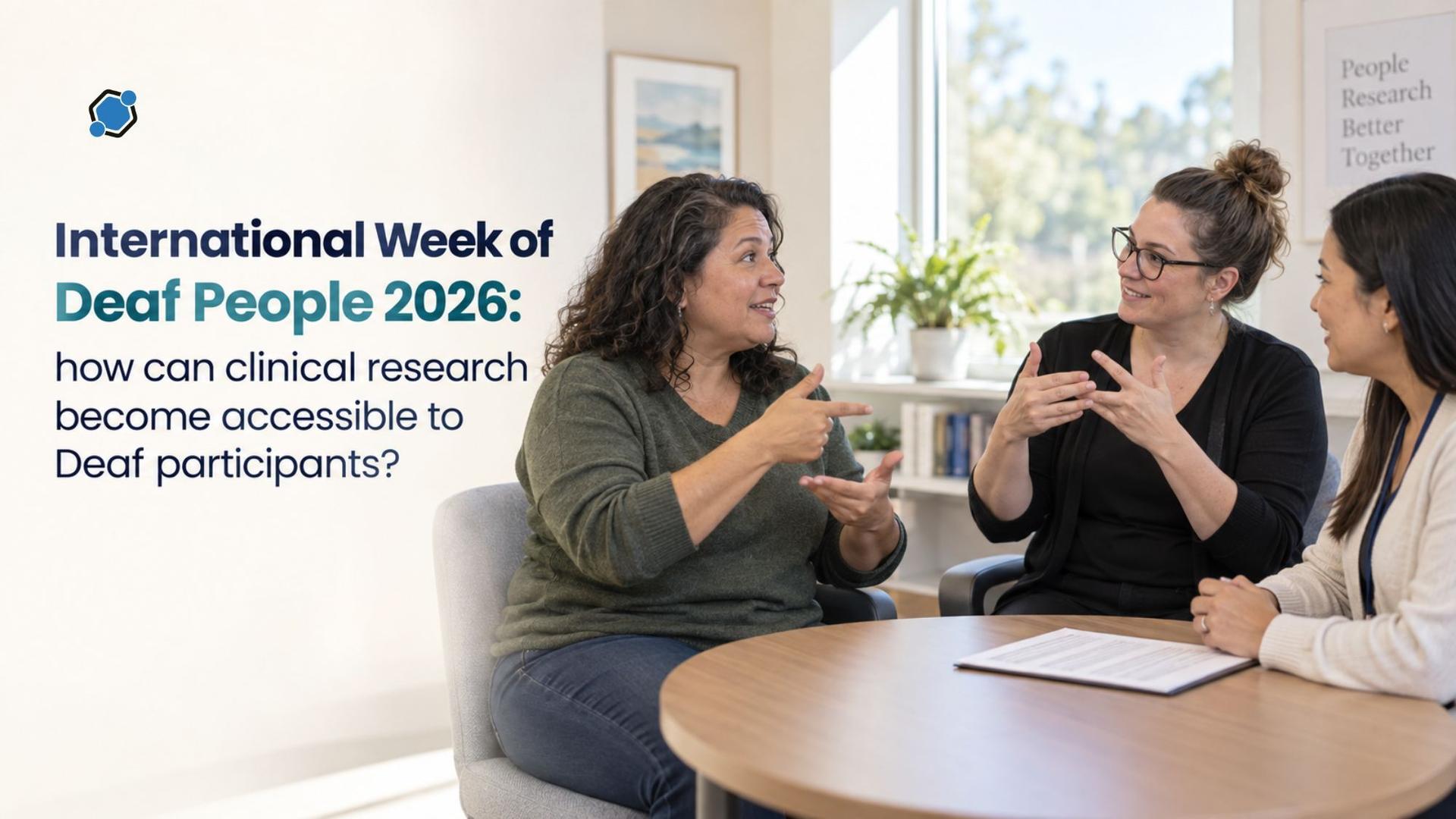
International Week of Deaf People 2026: how can clinical research become accessible to Deaf participants?
More than seventy million people around the world belong to signing Deaf communities, and ...
 Deeksha Gitta
Visceral Fat Health Risks: What Makes Belly Fat Different From Other Body Fat?
Body fat is usually discussed as a single quantity, weighed on a scale and summarized in o...
 Anish Teepireddy
Blood Pressure Numbers: What Do Systolic and Diastolic Actually Mean?
A blood pressure result contains two numbers, and most people are never told what either o...
ParamrajStay Informed. Stay Connected.
Get updates on verified clinical trials, emerging treatments, and research breakthroughs directly in your inbox. No spam, just science that matters.
