 HIPAA Compliant
 ISO 27001 Certified
Clinical trial management systems: The backbone of site operations

Every clinical trial depends on strong site operations. Behind the science, it is the daily work of coordinators, investigators, and support staff that keeps research moving. Patient visits must be scheduled, regulatory documents maintained, and sponsor requirements met. Many sites are running multiple studies at once, which makes efficiency and organization even harder to manage.
This is where a Clinical Trial Management System (CTMS) proves its value. A CTMS serves as the foundation of trial operations, bringing together scheduling, documentation, oversight activities, and communication into one platform. With the right system in place, sites can spend less time chasing paperwork and more time focusing on participants.
What Is a Clinical Trial Management System (CTMS)?
A CTMS is specialized software designed to help research sites manage the operational workflow of clinical studies. Unlike generic project management tools, it supports the structure and documentation needs unique to clinical research.
A CTMS typically allows research sites to:
- Track participant enrollment and visit schedules
- Monitor study milestones and deadlines
- Store and manage regulatory and ethics documents with version control
- Organize budgets, reimbursements, and sponsor payments
- Facilitate secure communication between staff, sponsors, and CROs
For research teams, this means fewer manual tasks and a more organized, predictable workflow.
Why Research Sites Need a CTMS
Research sites today face heavier operational demands than ever, from increased regulatory expectations to sponsor-driven reporting requirements. A CTMS helps meet these challenges by:
Managing multiple studies in one place
Sites can oversee recruitment, scheduling, and reporting for all active trials through a unified dashboard.
Supporting compliance readiness
Workflows help sites maintain clean documentation, organized records, and clear audit trails—making inspections easier and reducing risk.
Reducing administrative burden
Automation handles tasks such as scheduling reminders, visit tracking, and document versioning, giving coordinators more time for participant-facing activities.
Building sponsor and CRO trust
Organized processes and clearer reporting strengthen collaboration and make sites stronger candidates for future studies.
Benefits of CTMS for Site Operations
When implemented properly, a CTMS brings measurable improvements to daily site workflows:
Streamlined scheduling and resource use
Automated calendars and reminders reduce missed visits and keep rooms and staff allocated efficiently.
Faster documentation and reporting
Progress updates and compliance documents can be generated quickly, reducing preparation time.
Inspection-ready records
Version control, audit trails, and centralized documentation help sites stay organized for IRB reviews, sponsor monitoring, and regulatory inspections.
Improved collaboration
With information stored in one place, teams spend less time searching for documents and more time delivering quality research.
Better participant retention
Automated reminders and communication tools help participants stay engaged and informed.
CTMS in Action: Real Site Use Cases
Patient scheduling
Coordinators rely on automated reminders and centralized calendars to reduce no-shows.
Regulatory inspections
Sites can produce reports and documentation quickly during IRB audits, sponsor reviews, or regulatory visits.
Recruitment tracking
Dashboards highlight enrollment status, screening outcomes, and upcoming milestones.
Data accuracy
Integrated systems ensure records remain consistent across platforms such as EDC tools.
The Bigger Picture: How CTMS Advances Clinical Research
Beyond improving efficiency, CTMS adoption strengthens the overall integrity and progress of research:
- Supporting participant safety through clear, protocol-driven visit planning
- Reducing operational bottlenecks that slow down study timelines
- Strengthening sponsor trust through transparent oversight and reporting
- Improving participant experience through smoother communication and scheduling
A CTMS is not just an efficiency tool, it helps research sites maintain organized, traceable, and privacy-conscious workflows.By supporting HIPAA-aligned data handling and structured documentation processes, CTMS platforms help ensure that patient rights and privacy remain central in every study.
Conclusion
A Clinical Trial Management System has become the operational backbone of modern research sites. It simplifies administrative work, supports inspection readiness, and strengthens relationships with sponsors, while also helping sites provide a smoother, more supportive experience for participants.
For research sites looking to modernize operations, a privacy-focused and workflow-driven system like DecenTrialz makes CTMS adoption both practical and sustainable.
FAQs: CTMS at Research Sites
Q1. What is the difference between CTMS and EDC?
A CTMS manages site operations and workflow activities, while an EDC captures and stores clinical data. Most sites use both for streamlined processes.
Q2. Can smaller sites benefit from a CTMS?
Yes. Modern CTMS platforms are scalable for single-site, emerging, and multi-site research teams.
Q3. How does a CTMS improve patient retention?
Automated reminders, flexible scheduling tools, and communication portals help reduce participant burden and improve adherence.
Q4. Is a CTMS legally required?
No, a CTMS is not mandated by law—but it helps sites stay organized, reduce risk, and maintain documentation needed for inspections and audits.
Was this article helpful?

Similar Blogs

What research sites need to know about central IRBs, local IRBs, and reliance agreements
A multisite clinical trial used to mean one protocol and many separate ethics reviews. Eac...
 Anish Teepireddy
What is the FDA's draft AI guidance for sponsors?
In January 2025, the FDA released its first draft guidance dedicated to artificial intelli...
 Mahesh Upadrista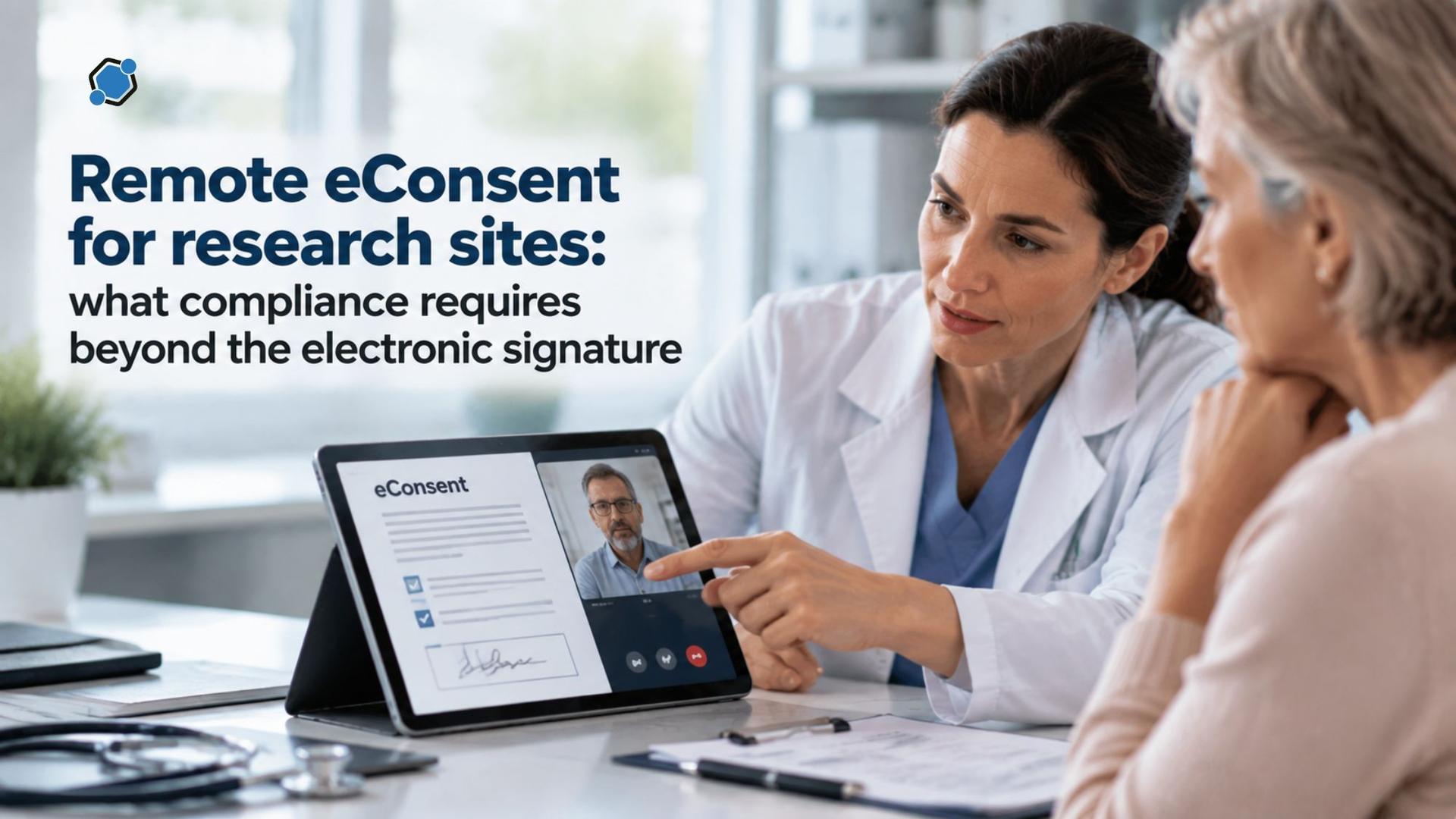
Remote eConsent for research sites: what compliance requires beyond the electronic signature
Electronic informed consent, often shortened to eConsent, is now standard at many research...
Swaroop ESDStay Informed. Stay Connected.
Get updates on verified clinical trials, emerging treatments, and research breakthroughs directly in your inbox. No spam, just science that matters.
