 HIPAA Compliant
 ISO 27001 Certified
First Clinical Trial Visit: A Clear Guide to Your Screening Appointment

Clinical trial pre-screening begins with the first clinical trial visit, often called the screening appointment, and is designed to confirm eligibility and protect participant safety while helping you understand what participation involves. Feeling unsure before your first visit is completely normal. Many people have questions about what will happen, how long the visit will take, and what will be expected of them.
This visit is not about pressure or obligation. It is about transparency, understanding, and giving you the space to decide whether a study feels right for you. You remain in control throughout the process, and participation is always your choice.
What Is the First Clinical Trial Visit?
The first clinical trial visit is the initial in-person appointment where the research team determines whether you meet the study’s eligibility requirements. This visit focuses on safety, understanding, and accuracy rather than treatment.
Unlike later study visits, the screening appointment usually does not involve receiving a study drug or intervention. Instead, the research team collects baseline information and confirms eligibility. Most first clinical trial visits last up to two hours, depending on the study design and the tests involved.
Consent Review at Your First Study Visit
Consent review is a central part of the first clinical trial visit. During this discussion, the research team explains the study’s purpose, procedures, potential risks, and what participation may involve in clear, understandable language.
You are encouraged to ask questions and take time to review the information carefully. Nothing should feel rushed. Consent review exists to ensure you understand the study before deciding whether to continue, and participation remains voluntary at every stage.
Baseline Health Assessments and Tests
Baseline tests are conducted during the first clinical trial visit to understand your current health before the study begins. These results help confirm eligibility and provide a reference point for monitoring safety throughout the trial.
Common baseline tests may include a physical exam, blood tests, urine tests, and an ECG to check heart rhythm. These assessments are performed to support participant safety and confirm that the study is appropriate for you. Baseline tests are not meant to replace routine medical care or diagnose new conditions.
Medical History and Questionnaires
During the screening appointment, you may be asked about your medical history, current medications, and previous treatments. Some studies also include questionnaires related to symptoms, daily activities, or quality of life.
Providing complete and honest information is important because it helps the research team make accurate decisions and protects your safety. All personal health information is handled confidentially and used only for research purposes.
How Long Does a Screening Appointment Take?
A screening appointment typically lasts between one and two hours. Some visits may take longer if the study requires additional testing or more detailed eligibility checks.
While the visit may feel lengthy, careful screening is important. It helps ensure participant safety and reduces the likelihood of issues later in the trial. Taking the time to screen properly supports a smoother experience if you move forward.
How to Prepare for Your First Clinical Trial Visit
Preparing ahead of time can help your first clinical trial visit feel more manageable. The research team may provide specific instructions, but common preparation steps include following any fasting requirements if blood tests are planned, bringing medical records or a list of medications, and wearing comfortable clothing.
It may also help to plan time away from work or arrange childcare if needed. Being prepared allows you to focus on understanding the study and asking questions during your visit.
What Happens After the First Study Visit?
After the first clinical trial visit, the research team reviews all screening information to determine eligibility. If you qualify, they will explain the next steps and schedule future visits, which are often shorter and more routine.
If you do not qualify, the research team will let you know and answer any questions you may have. Not qualifying after the first patient’s visit in clinical trials is common and does not mean you did anything wrong.
Finding and Preparing for Study Visits More Easily
Many participants find it helpful to understand study requirements before arriving at a research site. Reviewing visit expectations early can reduce uncertainty and help you feel more confident about attending a screening appointment.
Some platforms offer instant match tools that allow individuals to explore relevant studies and learn what participation may involve. Reviewing available studies through condition-based listings. can help participants better understand visit requirements and timelines before scheduling a screening appointment.
How Pre-Screening Supports Participants From First Review to Site Referral
DecenTrialz supports participants by providing clear, structured information before the first clinical trial visit. Study requirements are organized into a clear framework so participants can review details and complete eConsent digitally before moving forward.
Participants answer guided pre-screening questions in an organized sequence, and a registered nurse follows up to review responses, ask relevant study-related questions, and ensure expectations are clearly understood. Only participants who meet the outlined requirements are referred to research sites, helping create a more prepared and informed screening experience.
Learning More About Clinical Trial Participation
Participants who want to explore how study visits work and what participation may involve can find educational guidance through trusted resources such as ClinicalTrials.gov, which offers participant-focused information about clinical research and study visits. Additional educational articles about trial participation and preparation are also available on DecenTrialz’s blog.
Was this article helpful?

Similar Blogs
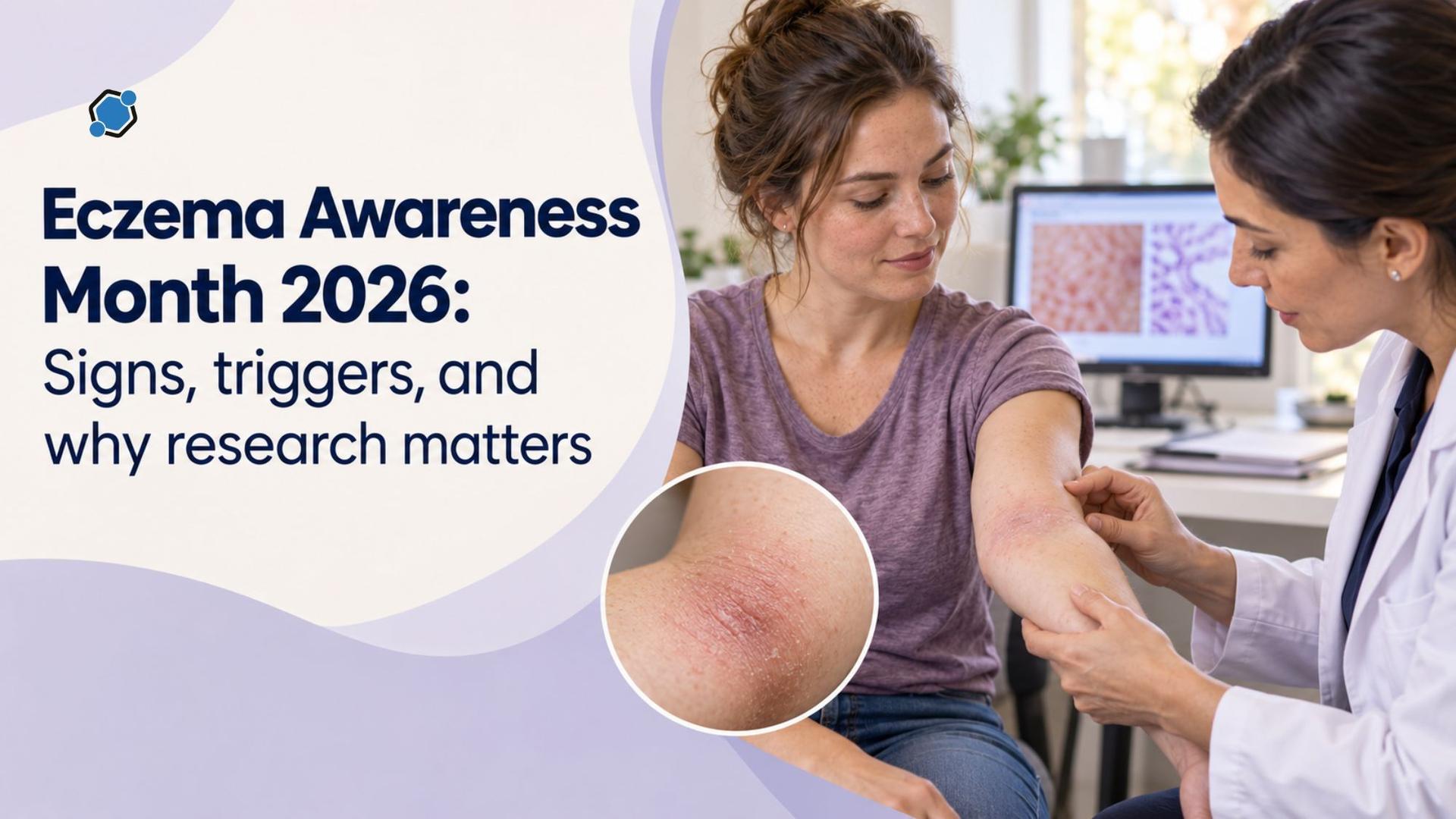
Eczema Awareness Month 2026: Signs, triggers, and why research matters
October is Eczema Awareness Month in the United States, led by the National Eczema Associa...
 Paramraj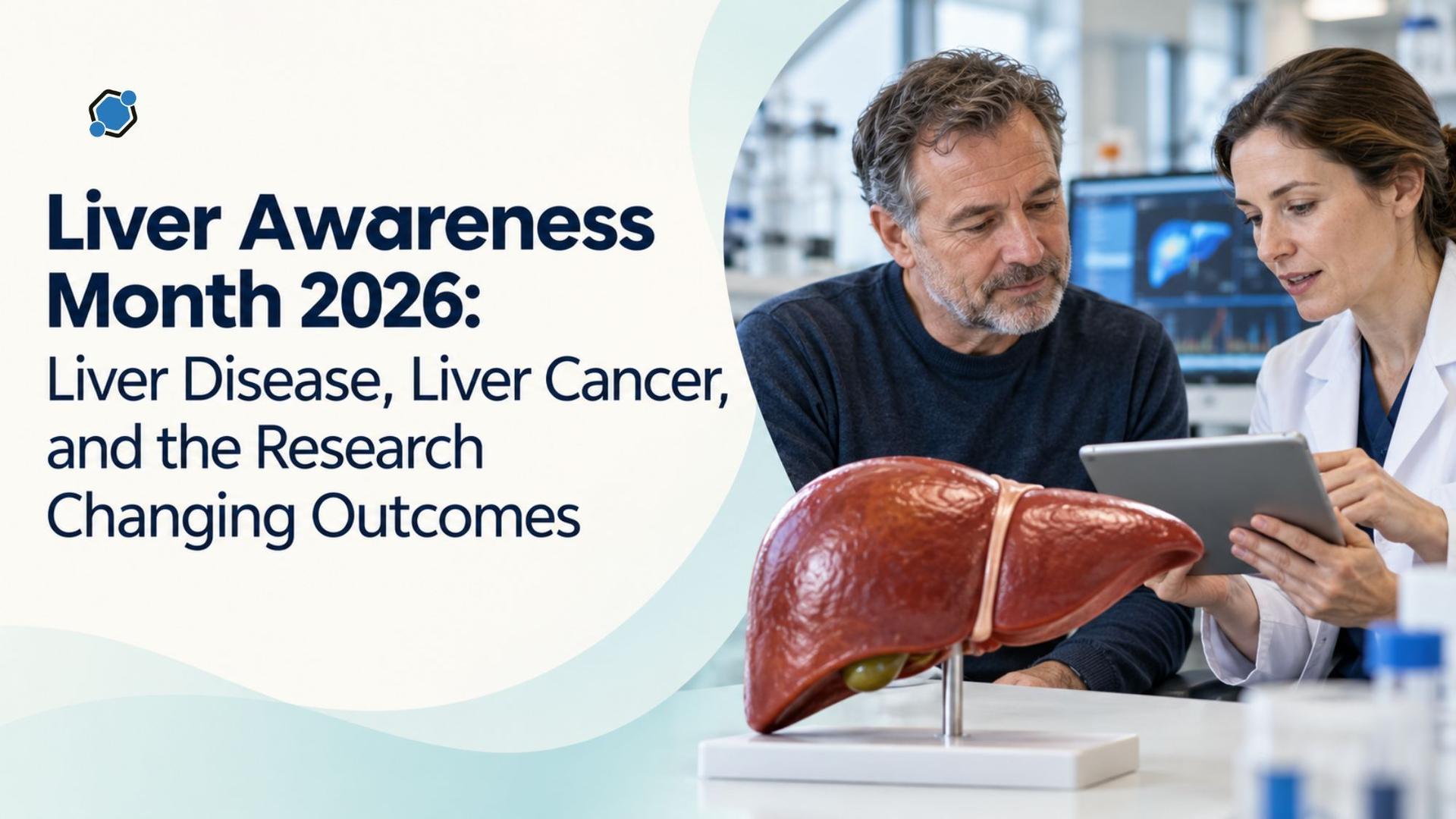
Liver Awareness Month 2026: Liver Disease, Liver Cancer, and the Research Changing Outcomes
Every October, two overlapping observances turn attention to an organ most people rarely t...
Vamshi Kantoju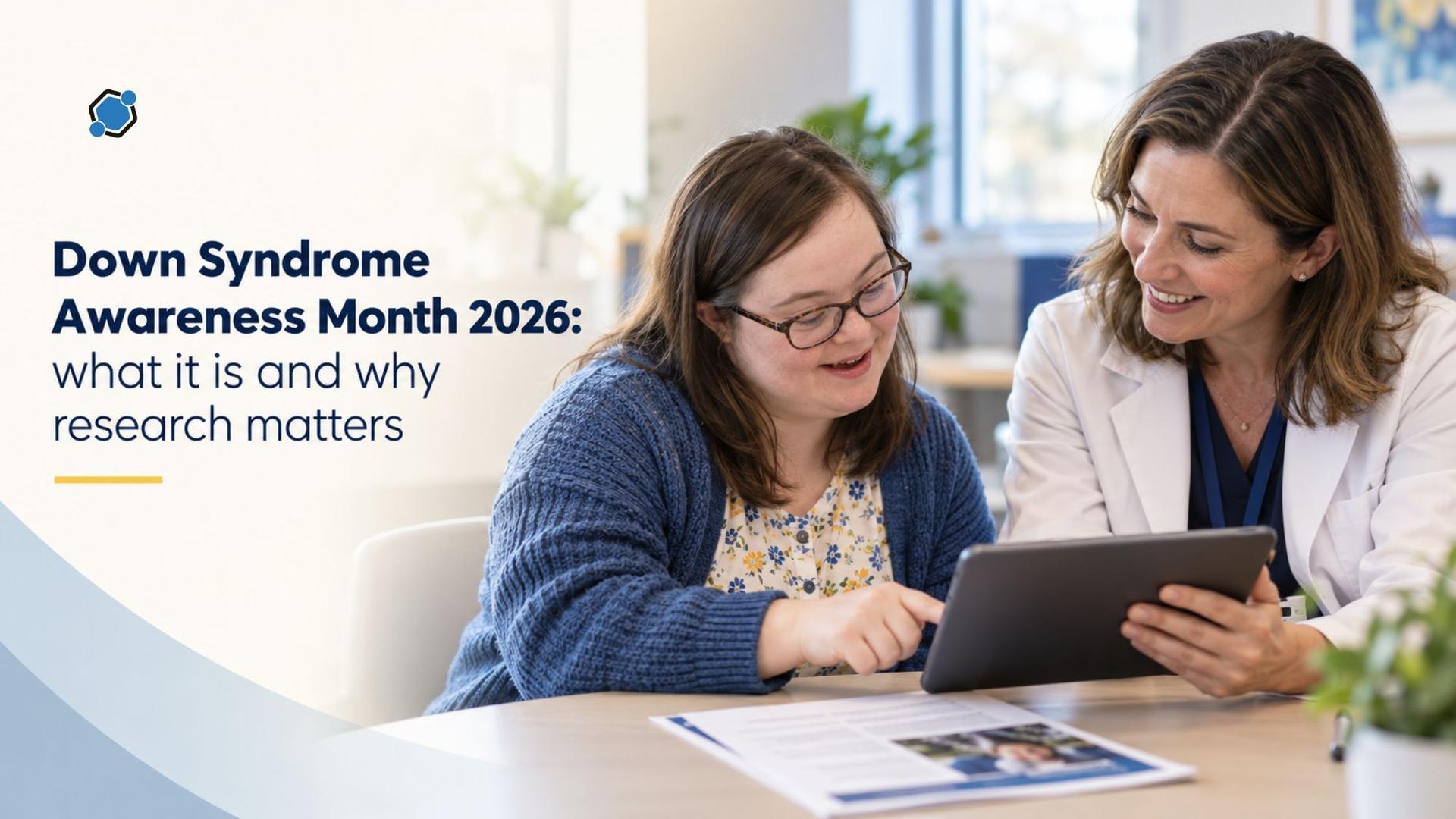
Down Syndrome Awareness Month 2026: what it is and why research matters
Every October, the United States recognizes Down Syndrome Awareness Month. The month exist...
Mahesh UpadristaStay Informed. Stay Connected.
Get updates on verified clinical trials, emerging treatments, and research breakthroughs directly in your inbox. No spam, just science that matters.
