 HIPAA Compliant
 ISO 27001 Certified
The clinician’s role in expanding patient access to clinical trials

The clinician role in clinical trials has never been more essential. Clinical studies remain the foundation of medical innovation, but a persistent challenge slows progress, patient enrollment. Nearly 80 percent of trials in the United States face recruitment delays, according to the NIH. This means promising therapies take longer to reach the people who need them, and patients miss opportunities for access to cutting-edge care.
Clinicians can change that trajectory. As the most trusted figures in healthcare, physicians and other providers are uniquely positioned to connect patients with research opportunities. When a doctor introduces a trial, patients are more likely to listen, ask questions, and consider joining. In other words, the physician role is not just about delivering care, it is also about opening doors to research that can benefit both the individual and the broader population.
Why clinicians matter in clinical trials
The clinician role in clinical trials is built on trust. Surveys consistently show that patients view their doctor as their most reliable source of medical information. When a physician discusses research participation, the recommendation carries more weight than advertising, social media, or even advice from friends.
Clinicians serve multiple functions in this context:
- Trusted advisors: Their guidance reassures patients that a study is credible and worth considering.
- Educators: They simplify complex study designs, explaining them in terms patients understand.
- Gatekeepers: With knowledge of medical history and conditions, clinicians can identify who is most likely to qualify.
- Advocates: They ensure patients know that trial participation is voluntary and safety is closely monitored.
By combining these roles, clinicians become one of the strongest levers for improving trial recruitment and diversity.
Patient benefits when clinicians engage in trials
For patients, having their clinician introduce research opportunities makes participation feel like an extension of care rather than a risky step into the unknown. This approach delivers several benefits:
- Early access to therapies: Patients can try promising drugs, devices, or approaches not yet available through routine care.
- Confidence in safety: Every U.S. clinical trial is reviewed by the FDA and Institutional Review Boards (IRBs), giving patients added assurance.
- Personalized attention: Participants in trials often receive more frequent monitoring, additional lab tests, and closer follow-ups.
- Empowerment: When doctors offer trial opportunities, patients feel they are being given every option available, which can provide hope and motivation.
A real-world example can be seen in oncology. For many cancer patients, standard treatments eventually stop working. When a trusted oncologist suggests a trial with an investigational therapy, it can mean not just access to care but renewed hope during a difficult stage.
The clinician’s role: educator, advocate, connector
Expanding access requires clinicians to lean into three central roles:
- Educator: Clearly explaining trial purposes, risks, and benefits in plain language.
- Advocate: Addressing barriers such as costs, travel, or time commitments that might discourage participation.
- Connector: Making HCP trial referrals by linking patients to study coordinators or using tools like the DecenTrialz Trial Finder to identify nearby studies.
When clinicians fulfill these roles, they not only help patients but also strengthen the entire research ecosystem.
Why HCP trial referrals are effective
HCP trial referrals consistently outperform other recruitment methods, and here is why:
- Trust: Patients act on the advice of their physician more than on external messaging.
- Efficiency: When clinicians refer patients, screen failures drop since candidates are pre-identified.
- Support: Doctors help guide patients through logistics, including travel, insurance, and reimbursement.
- Diversity: Community physicians often treat underserved populations, making their referrals crucial for building inclusive study cohorts.
This illustrates why the physician role in clinical trials is so important, without clinicians making referrals, many eligible patients would never even hear about research opportunities.
Community outreach strategies for clinicians
The clinician role extends beyond individual conversations. Physicians can also expand access through community involvement:
- Education sessions: Hosting Q&As at churches, schools, or local health fairs to explain what clinical trials are and address misconceptions.
- Patient-friendly materials: Offering brochures, posters, or digital content in waiting rooms so patients learn about trials in accessible ways.
- Digital engagement: Guiding patients toward reliable online tools like the DecenTrialz Trial Finder to match with relevant studies.
- Partnerships: Collaborating with advocacy groups or community leaders to reach populations that are historically underrepresented in research.
These outreach strategies normalize clinical trial participation and reduce stigma or misconceptions that might prevent people from considering it.
Practical checklist for healthcare providers
For busy clinicians, supporting research does not have to be overwhelming. A few simple steps can make a measurable difference:
- Stay updated on active trials through ClinicalTrials.gov or your hospital research office.
- Ask about patient interest in trials during routine visits.
- Use EHR alerts to identify potentially eligible candidates.
- Provide concise, plain-language resources in your office.
- Make HCP trial referrals quickly by connecting patients to study staff.
- Share open study information with peers and colleagues.
- Discuss common barriers, such as transportation or childcare, and offer solutions.
- Follow up during future appointments to reinforce support.
Each of these steps takes only minutes but can dramatically improve patient access to clinical research.
FAQs
Q: How can I find clinical trials for my patients? A: Use ClinicalTrials.gov, your hospital’s research office, or tools like the DecenTrialz Trial Finder, which allow searches by condition and location.
Q: What if I don’t have time to manage referrals? A: Even a brief referral or introduction to a coordinator is enough. You do not need to manage the process yourself.
Q: Do patients really want to participate in trials? A: Many patients are open to the idea but never hear about trials directly from their physician. The clinician role in clinical trials is critical to raising awareness.
Q: Are clinical trials safe for patients? A: Yes. All U.S. trials undergo FDA and IRB review, with ongoing oversight to protect participant safety.
Conclusion: clinicians as the bridge to better access
The clinician role in clinical trials is one of the most powerful tools for expanding patient access to research. By acting as educators, advocates, and connectors, clinicians empower individuals to explore new options while supporting the progress of medicine.
The physician role extends beyond direct care, it includes opening doors to opportunities that patients might not otherwise discover. And when healthcare providers embrace their role, clinical trials become more inclusive, diverse, and efficient.
With platforms like the DecenTrialz TrialFinder, clinicians can make timely, effective referrals that ensure no patient is left behind. Expanding trial access is not just about meeting recruitment goals. It is about giving patients every possible chance at better health and building a stronger future for medical research.
Was this article helpful?

Similar Blogs
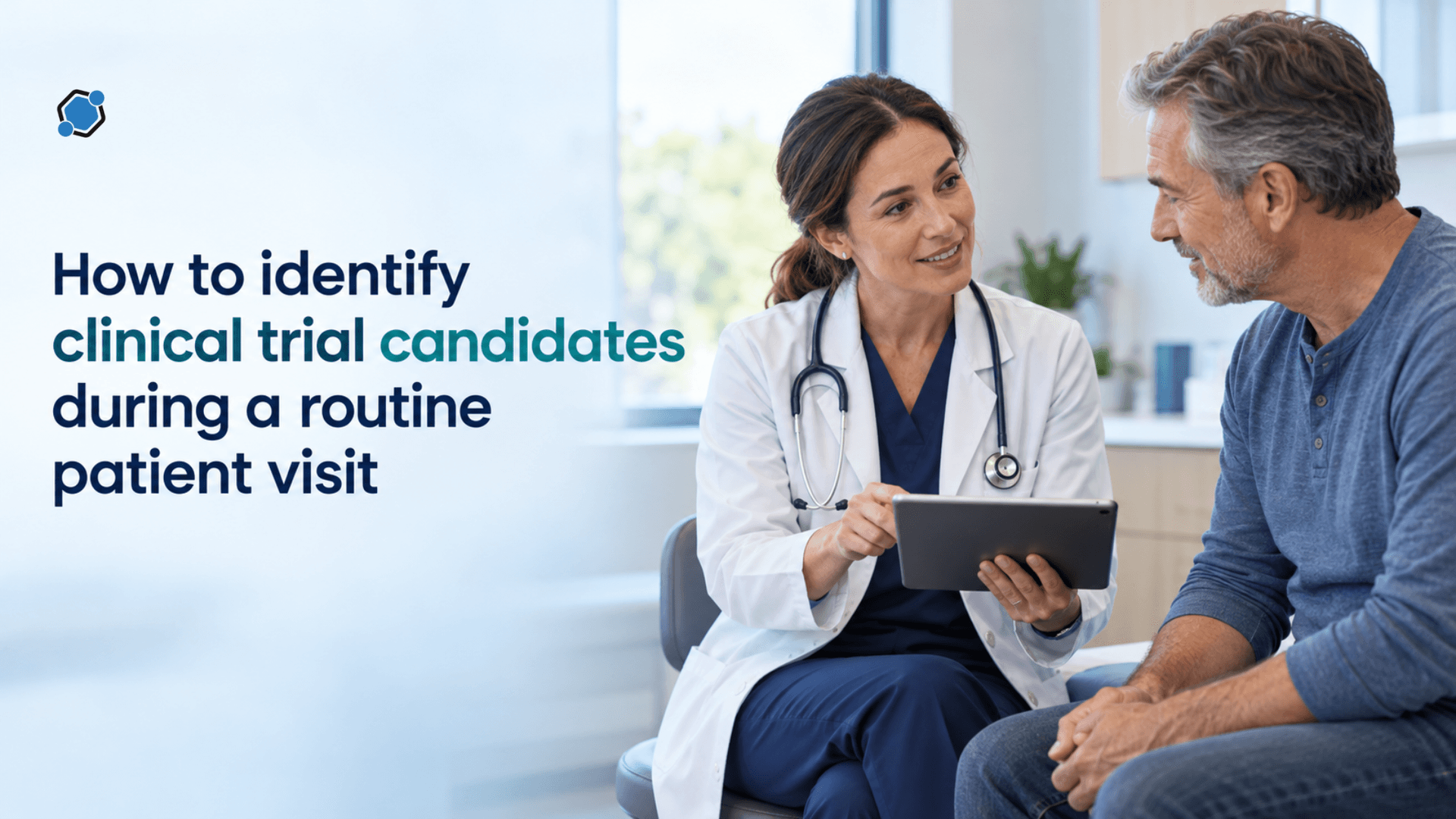
How to identify clinical trial candidates during a routine patient visit
The ability to identify clinical trial candidates during a routine patient visit is one of...
 Mahesh Upadrista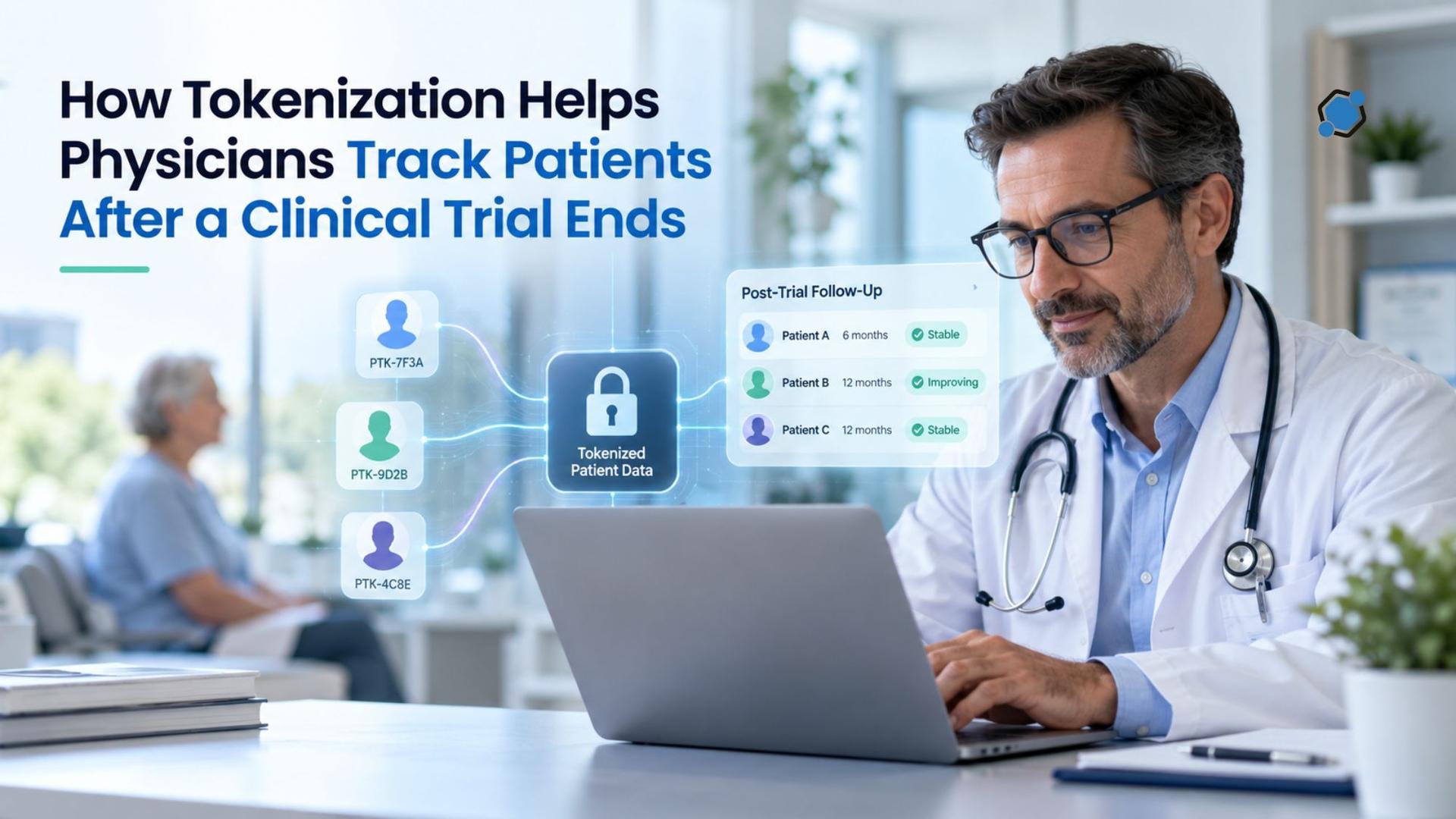
How Tokenization Helps Physicians Track Patients After a Clinical Trial Ends
Tokenization is changing how sponsors keep track of clinical trial participants long after...
Swaroop ESD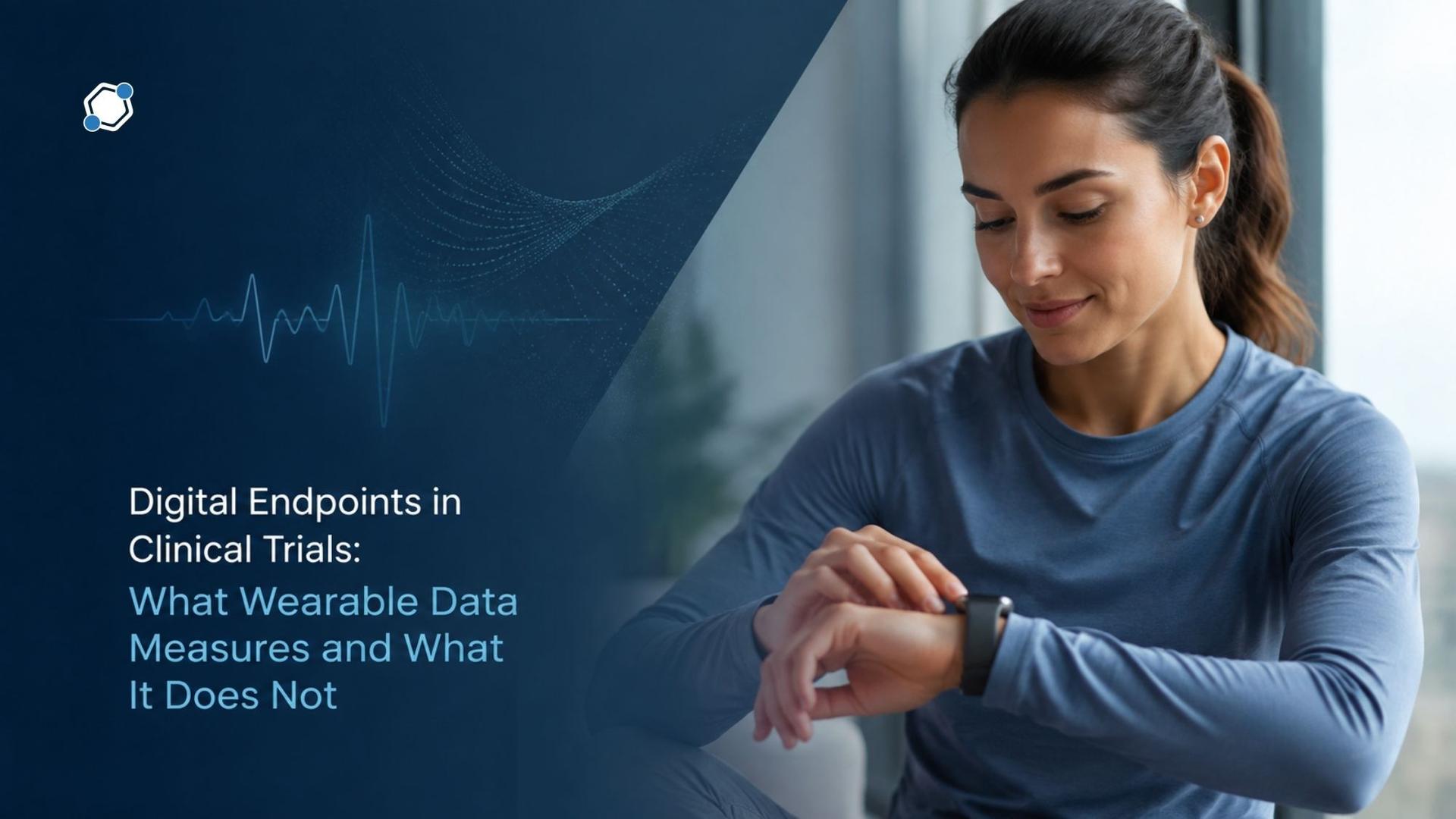
Digital Endpoints in Clinical Trials: What Wearable Data Measures and What It Does Not
Digital endpoints in clinical trials have changed both what a study measures and where the...
Mahesh UpadristaStay Informed. Stay Connected.
Get updates on verified clinical trials, emerging treatments, and research breakthroughs directly in your inbox. No spam, just science that matters.
