 HIPAA Compliant
 ISO 27001 Certified
Bridging the gap: How HCPs can talk to patients about research opportunities

How HCPs can talk to patients about research opportunities is an increasingly important question in clinical care. Clinical trials are the foundation of medical progress, yet many patients never learn about them directly from their providers. This silence creates a gap: patients miss out on potential new treatment options, and trials struggle to meet enrollment goals.
Because healthcare providers are trusted more than advertisements, social media, or online sources, they are uniquely positioned to bridge this gap. When an HCP introduces the idea of a trial, patients are more likely to listen, ask questions, and consider participating. The challenge is not whether patients are interested, but how providers bring up the conversation with clarity, empathy, and balance.
Why the role of HCPs matters in clinical trials
The physician or nurse who knows a patient best is often the one who can most effectively guide them toward research participation. The physician role in clinical trials is not limited to routine care, it includes helping patients understand their options.
HCPs serve as:
- Educators: Breaking down complex trial information into simple, plain language.
- Guides: Helping patients consider how a study may or may not fit their lifestyle, condition, and treatment goals.
- Advocates: Reassuring patients that joining a trial is voluntary and that their safety is always protected.
- Connectors: Referring interested patients to research staff or using tools like the DecenTrialz to match individuals with appropriate studies.
By fulfilling these roles, HCPs expand trial access and empower patients to make informed decisions.
Common barriers to patient conversations
Even when they value research, providers often hesitate to bring up trials. Some of the biggest barriers include:
- Time pressures: Appointments are already rushed.
- Limited awareness: HCPs may not know what studies are available nearby.
- Uncertainty about eligibility: Without quick tools, it’s hard to know if a patient qualifies.
- Concern about patient reactions: Some providers worry patients may see research as risky or experimental.
These concerns are real, but they don’t have to prevent the conversation. Understanding how HCPs can talk to patients about research opportunities in practical, efficient ways is the key to overcoming these barriers.
Best practices: How HCPs can talk to patients about research opportunities
1. Keep it simple and clear
Explain trials in everyday language. For example: “This is a study looking at a new treatment to see if it works better than what we currently use.”
2. Balance benefits and responsibilities
Patients need both sides of the story. Benefits may include access to promising therapies or more frequent monitoring. Responsibilities may include additional check-ins or completing diaries. A balanced explanation builds credibility.
3. Address concerns directly
If patients worry about being “guinea pigs,” reassure them that all U.S. trials are reviewed by the FDA and Institutional Review Boards (IRBs) to ensure participant safety.
4. Provide resources for further review
Offer patient-friendly materials or direct them to the DecenTrialz Trial Finder, where they can see studies that match their condition and location.
5. Give patients space to decide
Encourage patients to discuss options with family, ask more questions, and take their time. The goal is to inform, not pressure.
Building empathy into conversations
Empathy is critical in these discussions. HCPs can demonstrate empathy by:
- Listening carefully to patient fears.
- Acknowledging emotions: “I understand why you’d want reassurance about safety.”
- Emphasizing that participation is voluntary.
- Respecting a patient’s decision if they decline.
When HCPs show empathy, patients feel supported rather than persuaded, which strengthens trust.
HCP trial referrals: Why they are so effective
HCP trial referrals are consistently one of the strongest pathways for recruitment. Why?
- Trust: A recommendation from a physician carries more weight than advertisements or online outreach.
- Efficiency: Providers already know a patient’s medical history and can quickly gauge suitability.
- Support: HCPs can help patients navigate practical concerns like travel, insurance, or childcare.
- Diversity: Community physicians reach patients from backgrounds that are often underrepresented in research.
In short, referrals are not just about filling a study—they expand access and make trials more representative of real-world populations.
Supporting inclusivity and diversity in trials
HCPs have a unique opportunity to improve diversity in clinical trials. By sharing opportunities broadly, using culturally sensitive language, and partnering with advocacy groups, providers can help ensure research reflects all patient groups.
For more on this challenge, see The Ongoing Challenge of Clinical Trial Recruitment.
Tools that support HCPs
Technology is making it easier for providers to start these conversations without adding extra administrative work. For example, the DecenTrialz Trial Finder provides:
- Quick pre-screeners to check eligibility.
- Referral forms that require only basic details.
- Referral tracking so HCPs can see whether patients were contacted.
These tools simplify the process and keep providers engaged without overwhelming them.
Key takeaways
- Knowing how HCPs can talk to patients about research opportunities is essential to closing the enrollment gap.
- Empathy, clarity, and balance are the foundation of effective conversations.
- HCP trial referrals are powerful because they build on existing trust.
- Tools like DecenTrialz help streamline referrals and reduce workload.
- Inclusive conversations help ensure trials are representative and patient-centered.
Bridging the gap with trust
The future of clinical trials depends on meaningful conversations between HCPs and their patients. By understanding how HCPs can talk to patients about research opportunities, providers can open doors to cutting-edge care, while patients gain more choices and confidence.
Clinical research is not just about advancing medicine. It is about empowering people to be part of that progress. When HCPs act as educators, advocates, and connectors, they become the bridge that makes trials more accessible, diverse, and impactful.
Was this article helpful?

Similar Blogs

Digital Endpoints in Clinical Trials: What Wearable Data Measures and What It Does Not
Digital endpoints in clinical trials have changed both what a study measures and where the...
 Mahesh Upadrista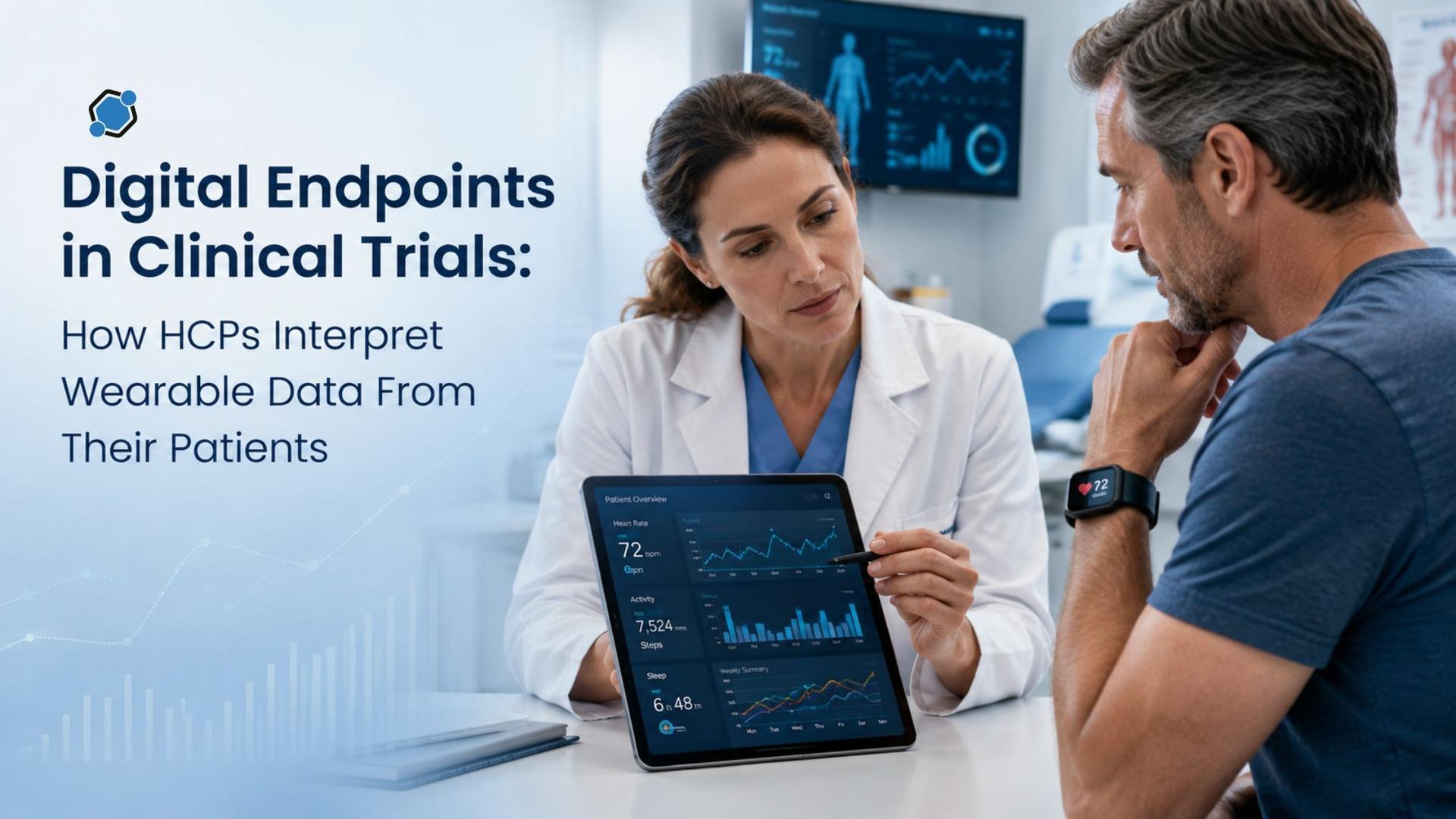
Digital Endpoints in Clinical Trials: How HCPs Interpret Wearable Data From Their Patients
Wearable devices now generate a substantial share of the data collected during modern clin...
Deeksha Gitta
Point-of-care clinical trials: how research fits inside routine practice
Clinical research and clinical care have long operated as parallel systems. Patients recei...
 Anish Teepireddy
Stay Informed. Stay Connected.
Get updates on verified clinical trials, emerging treatments, and research breakthroughs directly in your inbox. No spam, just science that matters.
