 HIPAA Compliant
 ISO 27001 Certified
World AIDS Day 2025: Awareness, Remembrance, and Hope for a Stronger Future
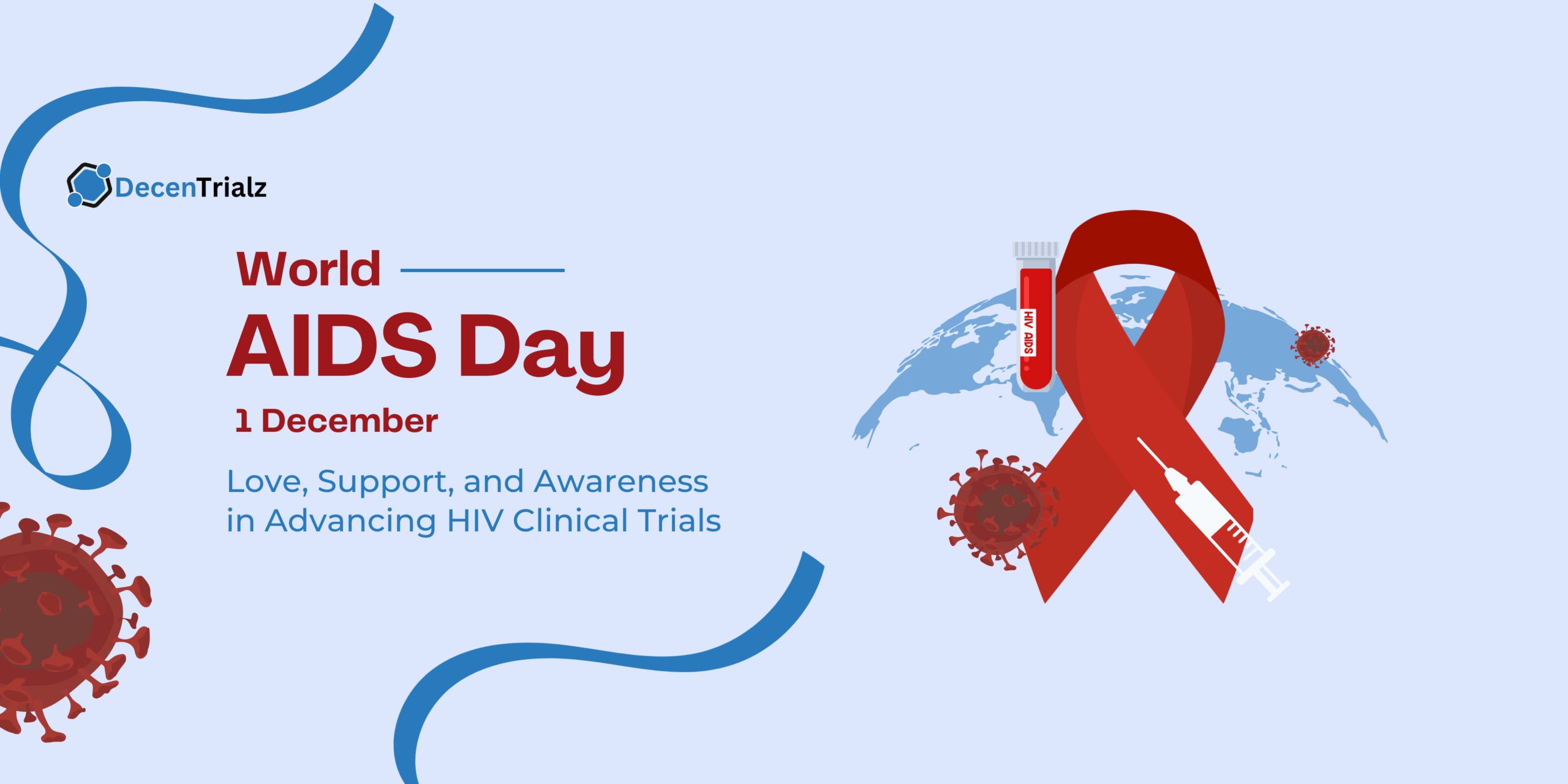
World AIDS Day 2025 is a moment for people across the world to pause, reflect, and stand in solidarity with everyone affected by HIV. Observed on December 1, the day is not about celebration. Instead, it serves as a reminder of compassion, awareness, and the ongoing need for action. Some may still come across phrases like “Happy World AIDS Day,” but the intention behind them is usually to send strength and hope. This day encourages learning, reduces stigma, and reminds us that while HIV remains a global challenge, progress and resilience continue to shape a better future.
For those who are learning for the first time and wonder what is AIDS Day, it is the world’s first global health awareness day created to bring attention to the impact of HIV and AIDS, support those living with the condition, and remember the millions of lives lost. The day encourages open conversations, reduces stigma, and reminds the world that HIV is still a reality, but so is progress.
World AIDS Day 2025 Theme: Overcoming Disruption, Transforming the AIDS Response
In 2025, the World Health Organization (WHO) released the theme “Overcoming disruption, transforming the AIDS response.” As shared on the official WHO page the world stands at a critical moment. Many communities face disrupted HIV services and rising vulnerabilities. Years of progress risk slowing down if strong action is not taken.
WHO highlights the need for sustained political leadership, international cooperation, and human rights centered approaches. UNAIDS also stresses the impact of inequalities and the importance of rebuilding stronger and fairer health systems.
The 2025 theme encourages the world to rebuild systems that have been disrupted and to transform the HIV response into one that is stronger, more inclusive, and more resilient.
What Is AIDS Day?
For many people, asking what is AIDS Day is a way of seeking clarity about why this day still matters. World AIDS Day was established in 1988 to increase awareness, expand education, support those living with HIV, and challenge stigma. It encourages individuals, communities, healthcare workers, and governments to share accurate information and promote prevention and testing.
It is a day to learn, reflect, and support. It reminds the world that HIV can affect anyone, and that understanding and empathy play a key role in creating healthier communities.
Why Is World AIDS Day Important?
Understanding why World AIDS Day is important means looking at both progress and ongoing challenges. Today, HIV treatment allows people to live long and healthy lives. Prevention tools such as PrEP are widely available. Testing has become easier and more accessible. Scientific research continues to move forward.
Yet, the world still faces challenges.
- Many people do not know their HIV status
- Stigma and discrimination stop people from seeking care
- Access to treatment is unequal in many regions
- HIV services are disrupted in countries facing conflict or economic instability
- Research needs consistent investment and support
This is why AIDS awareness day continues to be meaningful every year. It keeps HIV in public conversation in a way that encourages compassion instead of fear. The 2025 theme highlights the need to overcome disruptions and build stronger responses for everyone, especially for communities that are often left behind.
A Story of Hope: Timothy Ray Brown, the First Person Cured of HIV
One of the most inspiring stories connected to World AIDS Day is that of Timothy Ray Brown, also known as the “Berlin Patient.” His experience changed the world’s understanding of what may be possible for HIV treatment.
Timothy was diagnosed with HIV in the 1990s. Years later, he was diagnosed with acute myeloid leukemia, a life threatening cancer. During his treatment, his medical team chose a stem cell donor with a rare genetic mutation known as CCR5 delta 32, which makes certain immune cells naturally resistant to HIV.
The procedure was extremely difficult. Timothy went through two stem cell transplants and faced severe complications. However, a remarkable outcome followed. HIV disappeared from his body. He stopped taking HIV medication, and the virus did not return.
Timothy became the first person in history cured of HIV.
He later chose to reveal his identity publicly so people around the world could feel hope. His courage encouraged many researchers to continue exploring cure related strategies. His journey inspired new scientific studies and gave people living with HIV a powerful message that progress is possible. Timothy passed away in 2020 from leukemia complications, not from HIV, but his legacy remains one of the strongest symbols of hope and resilience.
World AIDS Day 2025: Moving Forward Together
The 2025 theme invites the world to rebuild what has been disrupted and transform the HIV response into something stronger and more inclusive. To move forward, global efforts must continue to focus on:
- Accessible testing
- Wider access to HIV treatment
- Prevention tools such as PrEP
- Education that reduces myths and misinformation
- Cure focused research inspired by stories like Timothy’s
- Support systems that protect dignity and human rights
By reducing inequalities and strengthening cooperation, the global community can move closer to the shared goal of ending AIDS by 2030.
Standing Together
Whether you are joining this conversation for the first time or have supported HIV awareness efforts for many years, your presence matters. AIDS awareness day is a reminder that hope grows stronger when people stand together, learn together, and support one another.
World AIDS Day 2025 encourages us to look at the challenges honestly and respond with empathy, science, and unity. As we reflect on the lives affected by HIV and honor individuals like Timothy Ray Brown, we remember that change is possible and that every small step helps move the world toward a healthier future.
Ending AIDS is a global effort, and together, we can make it a reality.
Was this article helpful?

Similar Blogs

Health Unit Coordinator Day: the behind-the-scenes team that helps clinical trials run
Every August 23, the United States recognizes Health Unit Coordinator Day. The date honors...
 Paramraj
Home nursing visits in clinical trials: what participants can expect
Clinical trial visits are starting to look different. In a growing number of studies today...
Vamshi Kantoju
World Mosquito Day 2026: How clinical trials are advancing mosquito-borne disease prevention
Mosquitoes are often described as the deadliest animal on the planet, and the reason is no...
Mahesh UpadristaStay Informed. Stay Connected.
Get updates on verified clinical trials, emerging treatments, and research breakthroughs directly in your inbox. No spam, just science that matters.
