 HIPAA Compliant
 ISO 27001 Certified
AI for Trial Sites: Making Workflows Smoother and Care More Personal
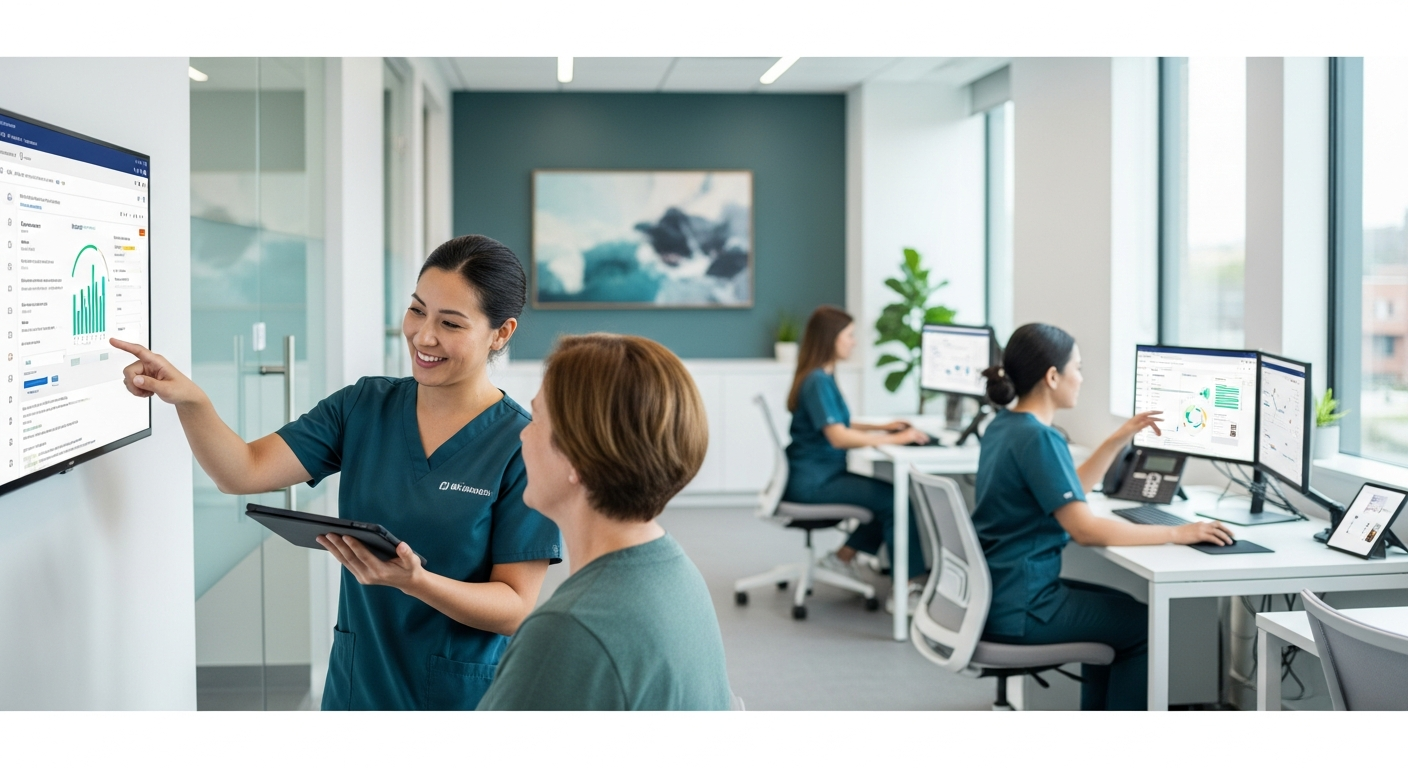
AI for trial sites is transforming the way research teams work, not by replacing people, but by helping them focus on what truly matters. Running a clinical trial site has always been a demanding job. Between managing patient visits, verifying data, and keeping up with regulatory documentation, it often feels like there are never enough hours in the day.
Now, with the support of AI tools designed specifically for clinical research, site staff can work more efficiently, minimize errors, and spend more time caring for participants instead of managing paperwork.
The Reality Behind Site Operations
If you ask a site coordinator what a “typical day” looks like, they’ll probably laugh, because there isn’t one.
Some mornings start with reviewing lab results or confirming visit schedules. By midday, coordinators might be entering data or resolving queries from sponsors. And by late afternoon, they’re preparing for monitoring visits, following up on patient questions, and completing forms before the day ends.
There’s pride in the work, but also constant pressure. That’s where AI for trial sites truly shines, it doesn’t replace expertise, it simply helps remove repetitive tasks, creating space for better focus and human connection.
How AI Actually Helps
AI doesn’t arrive with a bang. It quietly integrates into daily workflows, taking care of small but time-consuming details that add up.
Here’s what that looks like:
- Smarter prescreening: AI tools compare patient records with eligibility criteria instantly, flagging potential matches for review.
- Efficient scheduling: Automated reminders ensure appointments are confirmed and fewer visits are missed.
- Real-time accuracy checks: AI catches data inconsistencies early, helping teams maintain clean, audit-ready records.
- Pattern recognition: It can also identify recruitment gaps or early signs of participant drop-off before they become bigger issues.
AI for trial sites is all about steady, behind-the-scenes support that keeps everything running smoother.
More Time for What Matters Most
When repetitive tasks are reduced, research teams can focus on people again.
Investigators can review safety data more thoughtfully, and coordinators can take the time to explain procedures clearly, answer questions, and ensure participants feel comfortable throughout the process.
AI for trial sites gives back time, time to listen, time to reassure, and time to provide the personal attention that builds trust and retention.
Bringing the Human Side Back
Some people worry that more technology might make research feel impersonal. In reality, that personal connection doesn’t get lost, it often grows stronger.
By taking care of background work, AI allows site staff to re-engage with the human side of their role. The participants feel more seen, and staff feel less overwhelmed. It’s not about automation; it’s about restoring balance.
When technology quietly supports the process, clinical research becomes more human, not less.
Better Collaboration Across Teams
AI also strengthens teamwork across sites, sponsors, and CROs. When data flows more clearly and reports are generated faster, everyone communicates more effectively.
Instead of chasing updates or managing duplicate entries, teams can focus on solving problems and advancing the study. AI for trial sites brings calm and clarity to what used to be a stressful, fragmented process.
Staying Secure and Compliant
Every clinical trial depends on trust, and that includes how data is handled.
AI systems built for clinical research follow strict privacy and security standards, including HIPAA compliance. They organize records, maintain traceability, and make it easier for sites to stay inspection-ready without extra stress.
The result? Better accuracy, fewer compliance risks, and more confidence for both sites and sponsors.
Empowering Site Staff Through Simplicity
One of the most meaningful outcomes of AI adoption is how it empowers site staff to feel more in control of their workload. Instead of being buried under emails, spreadsheets, and manual tracking, coordinators can see what needs their attention most urgently and plan their day more effectively. This sense of clarity helps reduce burnout and strengthens morale across teams. When people feel less overwhelmed, the quality of their work improves, communication becomes smoother, documentation is more consistent, and participants feel the difference in how attentively their trial experience is managed.To explore how DecenTrialz supports site teams with smarter digital workflows, visit our Research Sites page.
A Glimpse of What’s Ahead
The future of clinical research will continue to evolve, but one thing is certain, AI for trial sites is here to stay.
As technology grows smarter, sites will be able to predict recruitment timelines, track study performance in real time, and provide an even more participant-centered experience. Yet even with all that innovation, the heart of research will always be human.
AI may analyze data, but people provide the empathy and care that make every trial possible. Together, they create a model of research that is faster, safer, and more compassionate.
Was this article helpful?

Similar Blogs

Health Unit Coordinator Day: the behind-the-scenes team that helps clinical trials run
Every August 23, the United States recognizes Health Unit Coordinator Day. The date honors...
 Paramraj
Site oversight of home nursing and mobile phlebotomy in decentralized trials
Home nursing visits and mobile phlebotomy have moved from pandemic-era experiments to rout...
Mahesh Upadrista
Hybrid clinical trial visits: how research sites decide what stays on-site and what goes remote
Hybrid designs are no longer an experiment for research sites to accommodate on the margin...
Vamshi KantojuStay Informed. Stay Connected.
Get updates on verified clinical trials, emerging treatments, and research breakthroughs directly in your inbox. No spam, just science that matters.
