 HIPAA Compliant
 ISO 27001 Certified
Guarding Patient Data: Ensuring Privacy & Security in Clinical Trials
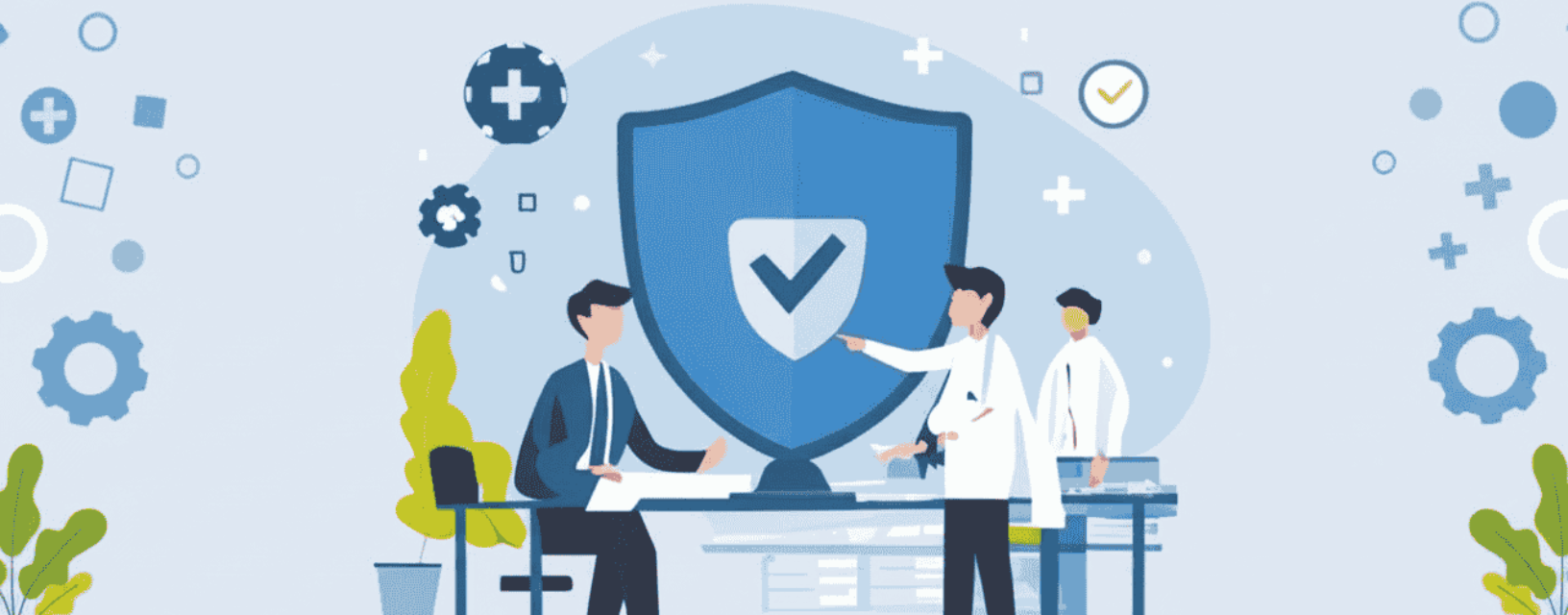
When a Simple Oversight Becomes a Serious Lesson
It happened quietly. A cybersecurity researcher stumbled upon a database that had been left open on the internet. Inside were more than 1.6 million clinical trial records, fully accessible to anyone who knew where to look. No passwords. No encryption. Just names, contact details, and sensitive health information visible online. (HIPAA Journal report)
For the people behind those records, it wasn’t just data that was exposed. It was trust. For sponsors, CROs, and research sites, it was a wake-up call that clinical trial data security isn’t just a technical responsibility; it’s a human one. Every breach reminds us that behind every dataset are volunteers who shared their stories and health details for the sake of science.
Why Data Security Is a Matter of Trust
Clinical research depends on relationships built on confidence. Participants open their lives to science, often disclosing private health histories, genetic information, or long-term medical data, believing it will be protected.
Today, with more decentralized and hybrid trials, that responsibility stretches further. Data now moves across telehealth platforms, home-based devices, local labs, and cloud systems. A single misconfigured server, outdated password policy, or untrained staff member can cause real harm.
Protecting data isn’t just about compliance checkboxes. It’s about ensuring that research continues with integrity, that participants feel respected, and that the scientific community keeps its promise to protect those who make progress possible.
The Rules That Shape Patient Privacy
In the United States and globally, several frameworks set expectations for how clinical trial data must be handled. They’re not just legal texts; they’re blueprints for ethical research.
- HIPAA (Health Insurance Portability and Accountability Act) This law defines how Protected Health Information (PHI) must be secured when handled by covered entities or their partners. It calls for safeguards across people, processes, and technology, including encryption, access controls, and workforce training.
- 21 CFR Part 11 (FDA Regulation) When studies use electronic records and signatures, this regulation applies. It ensures that data captured electronically is accurate, traceable, and tamper-resistant. It covers audit trails, password protections, and system validation.
- GDPR (General Data Protection Regulation) For global research that includes European participants, GDPR adds another layer of responsibility, requiring data minimization, consent transparency, and clear rights for individuals to access or delete their information.
These frameworks overlap, but they all point toward the same goal: preserving trust and integrity in research through strong privacy and security practices.
When Data Fails, So Does Confidence
Breaches might be due to technical issues, but their consequences go far beyond technology.
When trial data leaks, the fallout hits fast. Participants lose faith, regulators ask hard questions, and ongoing studies can face costly delays. Investigators may have to rebuild databases, sponsors may face scrutiny from oversight bodies, and entire programs can lose credibility.
Beyond compliance penalties, the emotional impact is profound. Participants may hesitate to enroll again. Communities that already distrust research might see their concerns validated. And that’s a loss science cannot afford.
How Sponsors, CROs, and Sites Can Protect Patient Data
Creating a culture of security takes more than policies. It takes habits practiced daily by every person who touches participant data.
Here’s where to start:
- Use encrypted and validated systems Choose electronic data capture (EDC) and document systems that encrypt data at rest and in transit. Verify that they align with 21 CFR Part 11 principles. Ensure audit trails, secure logins, and permissions that match staff roles.
- Perform regular security checks Don’t wait for an incident. Schedule audits that look for outdated credentials, misconfigured servers, or inactive user accounts. Review contracts with technology vendors and confirm they follow sound cybersecurity standards.
- Train your people, then train again Data protection is everyone’s job. Regularly update staff on HIPAA rules, phishing awareness, and secure communication practices. Include mock drills so people know how to respond quickly if a breach occurs.
- Plan for the unexpected Even with strong defenses, incidents can happen. Keep an incident-response plan that defines who investigates, how to contain a breach, how to notify authorities, and how to communicate transparently with participants if needed.
- Limit what you collect and who can see it Every extra data field is a risk surface. Gather only what’s essential, store it securely, and ensure access is restricted using the principle of least privilege.
- Secure the decentralized pieces Home visits, telehealth calls, and local lab results all introduce new data channels. Confirm that each device, app, or partner uses encrypted transfers and clear authentication. Review how data from local Healthcare Professionals (HCPs) is transmitted and documented in your main trial system.
Keeping Participants in the Loop
Transparency is one of the strongest privacy tools you have. When participants understand how their data is used and protected, they feel more confident about staying in a study.
In your consent forms and communications:
- Explain what data will be collected and why.
- Describe how it’s stored, who can see it, and how long it’s kept.
- Let participants know what happens if there’s ever a data incident.
Honesty builds trust, and trust fuels participation.
Technology That Strengthens Privacy
Modern digital tools can make privacy protection easier, not harder. The key is choosing platforms that are built with security in mind.
Look for systems that offer:
- End-to-end encryption for telehealth and eConsent features.
- Automatic audit trails that record every edit and access.
- Role-based access levels for CROs, sponsors, and sites.
- Secure cloud hosting built with industry frameworks like SOC 2, ISO 27001, and HIPAA-aligned controls.
- Alerts for unusual login attempts or suspicious data movement.
These systems don’t replace good governance. They help teams implement it consistently.
For more insights into operational compliance and data governance, explore our related post, Clinical Trial Compliance: Essential Practices for Sites
The Bigger Picture: Protecting Trust Protects Science
Every data point in a trial represents a person who said “yes” to advancing medicine. Safeguarding that data is how we honor their trust.
Patient privacy and data integrity are not just IT concerns. They are part of research ethics. When sponsors, CROs, and sites invest in secure systems, staff training, and transparent processes, they protect more than compliance. They protect credibility.
As clinical trials become more connected and technology-driven, data security will continue to define research quality. The strongest science is built not only on good data but on data that participants feel safe sharing.
Was this article helpful?

Similar Blogs
How CROs use predictive feasibility modeling to select clinical trial sites
Predictive feasibility modeling has moved from a data science experiment to an increasingl...
 Anish Teepireddy
Direct-to-Patient Drug Shipments at Clinical Trial Sites: What Are They and How Do Sites Stay Compliant?
Direct-to-patient shipment moves the study drug from the research site to the participant'...
 Swaroop ESD
Patient tokenization in clinical trials: How sponsors link trial data to real-world outcomes
Real-world data has moved from a supporting cast in clinical development to a central char...
ParamrajStay Informed. Stay Connected.
Get updates on verified clinical trials, emerging treatments, and research breakthroughs directly in your inbox. No spam, just science that matters.
