 HIPAA Compliant
 ISO 27001 Certified
Data Security in Clinical Trials: How Participant Information Is Safeguarded

Data security clinical trials rely on strict safeguards to protect participant privacy and personal health information throughout every stage of clinical research. Many individuals considering participation have questions about how their medical data is collected, used, and protected.
These concerns are completely understandable. Clinical trials involve sensitive health details, test results, and personal identifiers. Protecting this information is not optional, it is a fundamental responsibility of clinical research organizations.
This article explains how data security clinical trials work, why patient privacy is prioritized, and what protections are in place to ensure participant information remains confidential and secure.
Why Data Security Matters in Clinical Research
Data security clinical trials are essential for building trust between participants and researchers. Without strong data protection practices, clinical research could not function ethically or responsibly.
Health information shared during a trial may include medical history, diagnoses, medications, lab results, and demographic data. This information is highly sensitive, making patient privacy a critical concern.
Protecting participant data helps ensure:
- Personal health information remains confidential
- Identities are not publicly disclosed
- Data is used only for approved research purposes
Clinical trials are overseen by regulatory authorities such as the U.S. Food and Drug Administration, which establishes expectations for ethical research conduct, participant safety, and data integrity.
How Clinical Trials Protect Participant Information
Clinical trials use multiple layers of data security to prevent unauthorized access to participant information.
Common safeguards include:
- Assigning unique participant identification codes
- Limiting access to authorized study personnel
- Using secure digital systems designed for healthcare data
- Monitoring systems for suspicious or unauthorized activity
Only individuals who require specific information to conduct the study are allowed access. These controls reduce unnecessary exposure and help maintain confidentiality throughout the research process.
HIPAA Compliance in Clinical Trials
HIPAA compliance is a foundational requirement for protecting participant information in U.S.-based clinical trials.
HIPAA (Health Insurance Portability and Accountability Act) establishes rules for how personal health information is collected, stored, and shared. Clinical research organizations must follow HIPAA compliance standards to ensure participant data is handled appropriately.
For participants, HIPAA-compliant systems mean:
- Personal health data is protected by law
- Data sharing is limited and documented
- Access is monitored and controlled
When a clinical research platform is described as hipaa compliant, it indicates adherence to strict privacy and security requirements designed to protect participant information.
Informed Consent and Confidentiality Protections
Informed consent is a cornerstone of data security clinical trials.
Before joining a clinical trial, participants review an informed consent document that clearly explains:
- What information will be collected
- How the data will be used
- Who may access the data
- How confidentiality is protected
This process promotes transparency and allows participants to make informed decisions. Participation is always voluntary, and individuals have the right to ask questions or withdraw consent if they choose.
Informed consent ensures participants understand how their information is handled and reinforces their control over personal data.
Data De-Identification and Secure Storage Methods
Clinical trial data security depends heavily on de-identification and secure storage practices.
De-identification removes or replaces personal identifiers such as names and contact details with coded study IDs. This allows researchers to analyze data without directly identifying participants.
Secure clinical trial data is stored using:
- Encrypted databases
- Protected servers
- Restricted access environments
These safeguards help prevent unauthorized access and reduce the risk of data breaches. Secure clinical trial data practices ensure information remains protected throughout collection, storage, and analysis.
Who Can Access Clinical Trial Data
Access to participant information in data security clinical trials is strictly limited.
Authorized access may include:
- Research site staff directly involved in the study
- Clinical monitors responsible for quality oversight
- Regulatory auditors when required
Sponsors and research organizations follow role-based access controls, meaning individuals only view data necessary for their specific responsibilities. Regular audits and oversight help ensure compliance without exposing unnecessary information.
How Technology Supports Secure Clinical Research
Technology plays an important role in supporting data security clinical trials.
Secure research platforms use:
- Encryption to protect data during storage and transfer
- Authentication controls to verify user identities
- Continuous monitoring to identify unusual activity
Structured, permission-based data workflows also support secure processes. For example, instant match approaches allow participant information to be reviewed efficiently while maintaining strict access controls and privacy safeguards.
Technology reduces manual handling of sensitive information and helps maintain consistent security standards across clinical research.
How DecenTrialz Protects Participant Information
DecenTrialz is a clinical research technology platform that prioritizes data security clinical trials through strong privacy and security standards. The platform is HIPAA compliant and ISO 27001 certified, ensuring participant information is protected through secure systems, controlled access, and transparent data handling practices at every stage of clinical research.
Was this article helpful?

Similar Blogs

Obesity and Sleep Apnea: How Weight Affects Breathing During Sleep
Excess body weight is the strongest modifiable risk factor for obstructive sleep apnea, a ...
 Paramraj
Primary vs secondary hypertension: what is the difference and why it matters
Nearly half of American adults live with high blood pressure, yet most cannot say whether ...
 Anish Teepireddy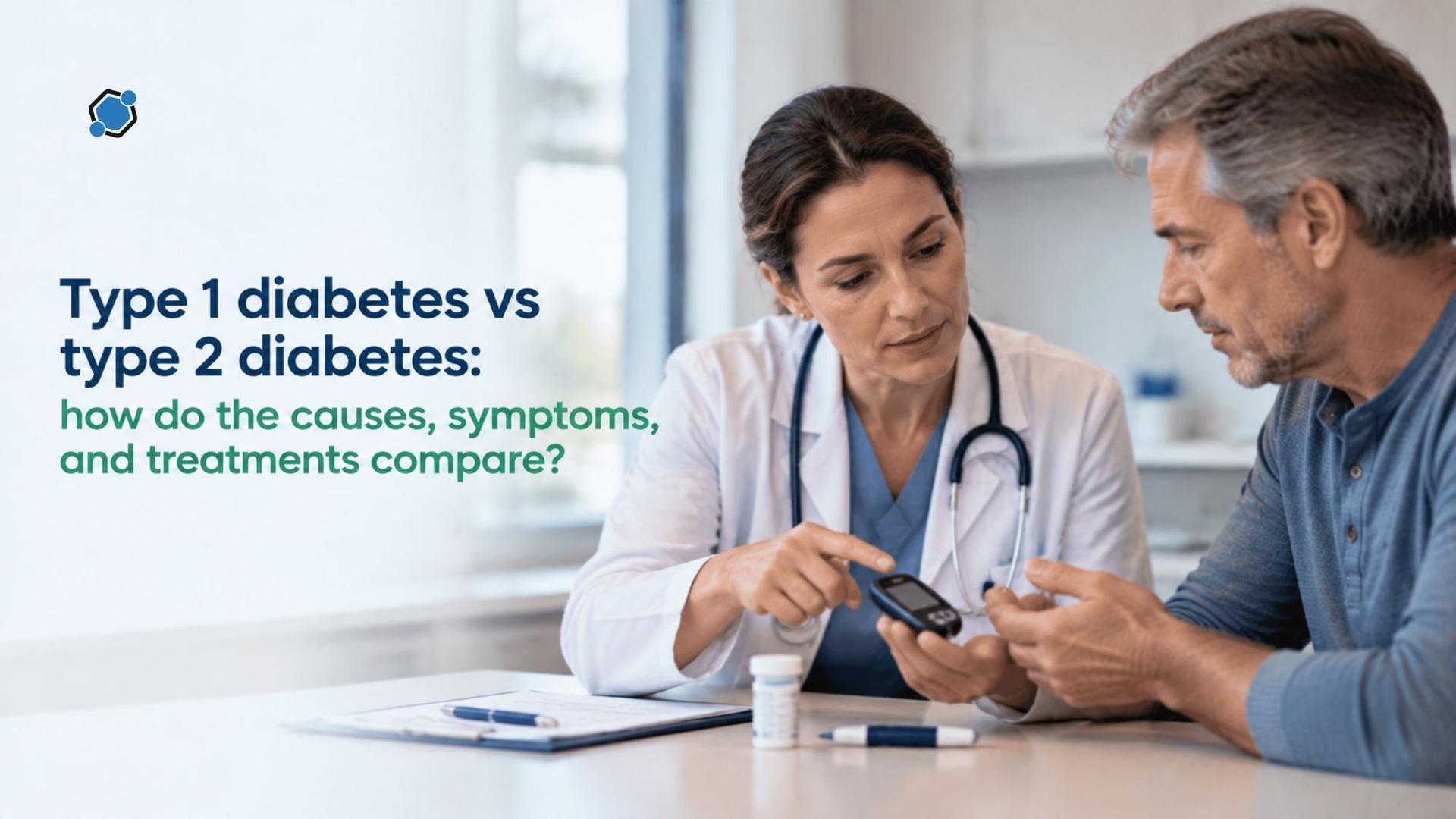
Type 1 diabetes vs type 2 diabetes: how do the causes, symptoms, and treatments compare?
Diabetes is often described as a single disease with two flavors, but type 1 and type 2 ar...
ParamrajStay Informed. Stay Connected.
Get updates on verified clinical trials, emerging treatments, and research breakthroughs directly in your inbox. No spam, just science that matters.
