 HIPAA Compliant
 ISO 27001 Certified
Signs of stroke in women: how to recognize them and what to do
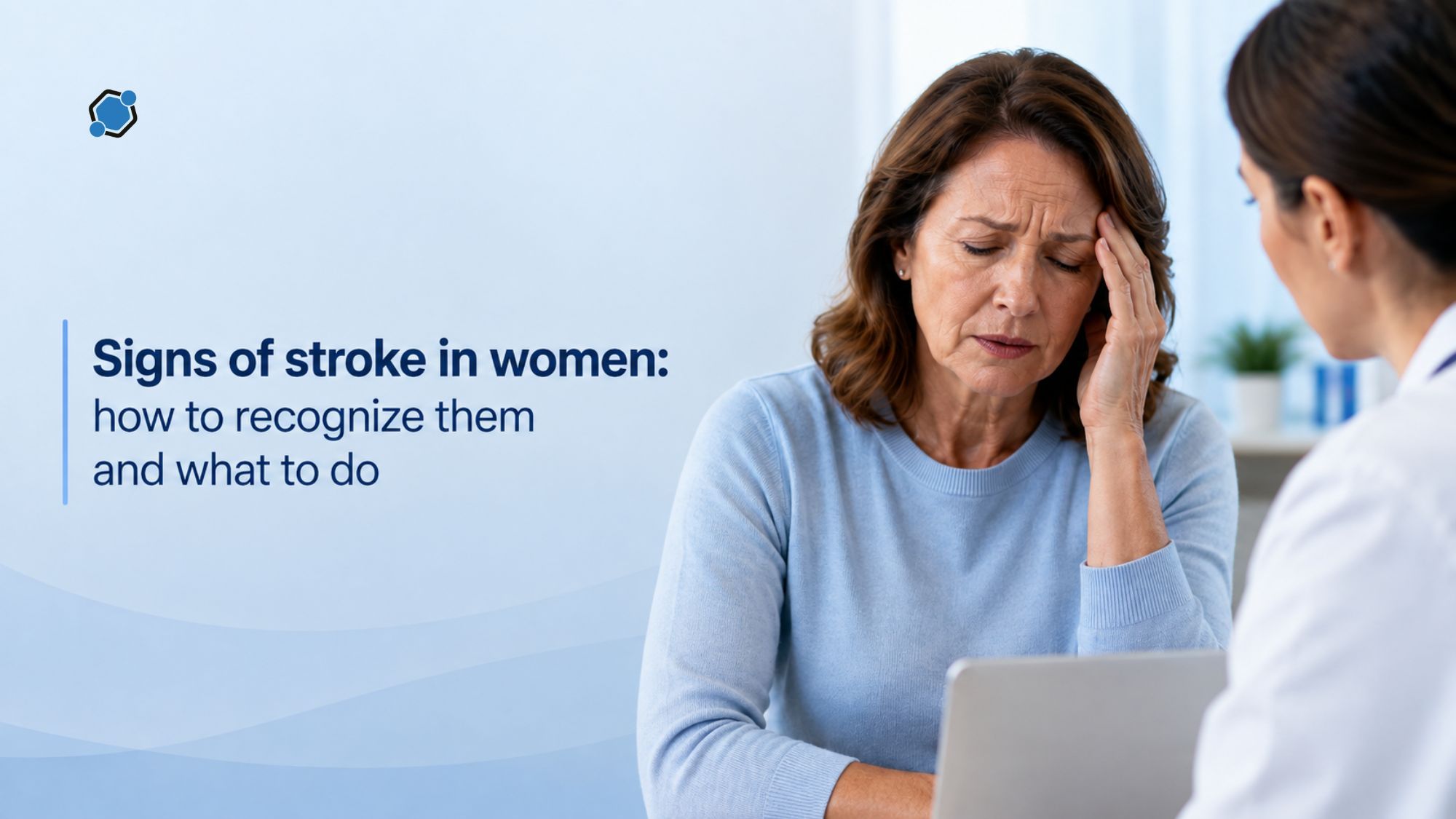
Signs of stroke in women can look different from what most people expect. Stroke is one of the leading causes of death and long-term disability in women in the United States, and it takes far more women's lives each year than breast cancer. Roughly one in five women will have a stroke at some point in her life. The most recognized warning signs are captured by short acronyms, yet many strokes in women begin with symptoms that do not appear on those checklists, which means the stroke gets brushed off or blamed on something else. This guide covers the common signs of a stroke, the signs in women that are most likely to be missed, why they get dismissed, the risk factors that carry particular weight for women, and the steps that lower risk over a lifetime.
The common signs of a stroke everyone should learn
The best-known way to recognize a stroke is a short acronym called FAST. It stands for Face drooping, Arm weakness, Speech difficulty, and Time to call 911. A person can check for facial droop by asking someone to smile, for arm weakness by asking the person to raise both arms, and for speech trouble by asking the person to repeat a simple sentence.
A longer version called BE FAST adds two more signs at the front. B stands for Balance, meaning a sudden loss of balance or coordination. E stands for Eyes, meaning sudden vision loss, blurred vision, or double vision. Balance and vision changes are added because strokes can begin with dizziness or vision problems that FAST alone does not capture. The American Stroke Association now presents its warning signs in this longer form.
Research presented at the American Stroke Association's International Stroke Conference in 2025 found that the shorter FAST acronym is easier for the general public to remember, while adding extra letters can reduce recall of the core face, arm, and speech signs. Both versions prompt people to call 911, which is the action that matters most. The practical takeaway is to learn the signs in whichever form sticks, and to treat balance and vision changes as possible stroke signs as well. For a broader foundation on how medical evidence like this is generated, Clinical Trials Explained: Simple Guide for Beginners offers an accessible starting point.
The stroke signs in women that are easy to miss
Women have the same face, arm, and speech signs as men, but they are also more likely to experience symptoms that do not appear on standard checklists. These easy-to-miss signs include a sudden severe headache, nausea and vomiting, general weakness or fatigue rather than weakness on one side of the body, shortness of breath, chest pain, and heart palpitations. Some women experience hiccups, sudden confusion or altered thinking, fainting, seizures, sudden behavior changes or agitation, and, in some cases, hallucinations.
The single most important word for every stroke symptom is sudden. A symptom that appears abruptly, within seconds or minutes and without an obvious cause, is worth urgent attention even when it does not match a familiar picture of stroke. Fatigue, nausea, or a bad headache can have many ordinary explanations, so the sudden and unexplained onset is the signal that separates a possible stroke from an ordinary bad day.
Patient advocacy groups often help translate these lesser-known signs into community awareness campaigns and provide support for people and families after a stroke. The article Patient Advocacy Groups: Finding Support and Trial Information is a helpful place to start.
Why stroke symptoms in women often get dismissed
Women are significantly more likely than men to have stroke symptoms blamed on something else. Vague or unusual signs are frequently attributed to migraine, anxiety, or vertigo, which is a sensation of spinning or feeling off-balance. A large study of United States emergency department records led by Johns Hopkins researchers found that women, younger patients, and patients from minority groups who arrive with dizziness or headache are more likely to be sent home before a stroke is identified. The delay this creates can close the window for the most effective care.
A transient ischemic attack, sometimes called a mini-stroke, is a brief episode with stroke-like symptoms that resolves on its own. It is still an emergency, because it often warns of a larger stroke to follow within days. Symptoms that disappear should never be read as reassurance. The American Stroke Association advises calling 911 even if the symptoms go away.
Stroke specialists describe the stakes with the phrase time is brain, because brain cells die every minute that blood flow is blocked. Clot-busting drugs, known as thrombolytics, work best when given within about three to four and a half hours of the first symptom. A procedure called thrombectomy, meaning mechanical removal of the clot, can help selected patients up to 24 hours after onset when advanced imaging shows brain tissue that can still be saved. These windows are the reason speed matters so much.
Certain actions make a stroke worse and should be avoided. A person with stroke symptoms should not drive to the hospital, because emergency responders can begin care on the way and alert the hospital in advance. A person should not take aspirin on their own, because some strokes involve bleeding in the brain, which aspirin can worsen. Waiting to see whether symptoms pass wastes the time that treatment depends on. Understanding how research turns lessons like these into better everyday care is the focus of How Clinical Trials Advance Medicine and Change Lives.
What raises a woman's risk of stroke
Women share the major stroke risk factors with men, including high blood pressure, high cholesterol, diabetes, smoking, physical inactivity, and atrial fibrillation, which is an irregular heart rhythm that can allow clots to form in the heart and travel to the brain. Several risk factors, however, carry particular weight for women.
Pregnancy and the weeks after delivery raise stroke risk, and the risk is highest around delivery and in the early postpartum period. High blood pressure conditions of pregnancy, including preeclampsia and eclampsia, raise the long-term risk of stroke for years afterward. Combined birth control pills that contain estrogen and progestin increase the risk of ischemic stroke, meaning a stroke caused by a blood clot blocking blood flow to the brain, and that risk climbs further with smoking, age over 35, high blood pressure, or migraine with aura.
Migraine with aura, meaning migraine accompanied by sensory changes such as flashing lights or blind spots, is an independent risk factor for stroke, especially in younger women. Menopause, particularly when it occurs before age 45, and decisions about hormone therapy also shape risk and are worth an individualized conversation with a clinician. Atrial fibrillation carries a higher stroke risk in women than in men, and autoimmune conditions such as lupus add further risk.
Risk is not distributed evenly. Black and Hispanic women face higher stroke risk and encounter structural barriers to timely care, including gaps in access, longer delays before treatment, and lower rates of stroke awareness that the health system has been slow to address. Broader efforts to widen participation in research and health services are discussed in Maximizing Diversity: Engaging Underrepresented Communities.
How women can lower their stroke risk
Most strokes are preventable, and prevention begins with blood pressure, the leading changeable risk factor. Keeping blood pressure in a healthy range, managing cholesterol and diabetes, reaching and maintaining a healthy weight, and stopping smoking all lower risk. Stopping smoking matters especially for women who use combined birth control, who have migraine with aura, or who are over 35. Regular physical activity and an eating pattern such as the Mediterranean or DASH approach, both of which emphasize vegetables, fruit, whole grains, legumes, nuts, and fish, support healthy blood pressure over time.
Atrial fibrillation can be treated with blood-thinning medication when a clinician determines it is appropriate. Aspirin for preventing a first-ever stroke is no longer broadly recommended and has become an individualized decision made with a clinician, because for many people the bleeding risk can outweigh the benefit.
The 2024 primary prevention guideline from the American Heart Association and American Stroke Association added, for the first time, guidance on screening and prevention that is specific to women, including attention to pregnancy complications, early menopause, and hormone therapy. That shift reflects a broader reckoning: stroke care in women has been historically under-studied, and women have been under-represented in stroke research relative to how often they have strokes. More inclusive studies help future care recognize how strokes present in women and how they respond to different approaches.
DecenTrialz is a United States-based platform that helps people find clinical studies that may be a fit for them. It uses AI-assisted matching to surface relevant studies and offers nurse-led pre-screening conversations, while research sites handle eligibility decisions, informed consent, and enrollment. Broader participation, especially by groups that research has historically overlooked, strengthens the evidence that guides prevention and care.
Frequently asked questions
What are the signs of a stroke in a woman?
A woman can have the classic signs captured by FAST: face drooping, arm weakness, and speech difficulty, along with balance and vision changes. Women are also more likely to report a sudden severe headache, nausea or vomiting, general weakness or fatigue, confusion, fainting, or shortness of breath. Any symptom that begins suddenly and without an obvious cause is worth a 911 call.
How are stroke symptoms in women different from stroke symptoms in men?
Women have the same core signs as men, but they more often present with vague or less familiar symptoms such as fatigue, confusion, nausea, or a severe headache rather than one-sided weakness alone. Because these signs are less recognized, they are more likely to be dismissed, which can delay care.
Can birth control raise stroke risk?
Combined birth control pills that contain estrogen can increase the risk of ischemic stroke. The increase is small for most healthy women, but it rises with smoking, age over 35, high blood pressure, or migraine with aura. A clinician can review these factors before prescribing.
Can pregnancy cause a stroke?
Pregnancy and the postpartum period raise stroke risk, and the risk is highest around delivery and in the weeks that follow. High blood pressure conditions such as preeclampsia raise both the immediate risk and the long-term risk of stroke, which makes blood pressure monitoring during and after pregnancy important.
What should someone do if they think a woman is having a stroke?
Call 911 immediately, even if the symptoms go away. Note the time the symptoms began, because treatment decisions depend on it. Do not drive the person to the hospital, do not give aspirin or any food or drink, and stay with the person until emergency responders arrive.
Can stroke be prevented in women?
Most strokes are preventable. Controlling blood pressure, managing cholesterol and diabetes, staying active, eating a heart-healthy diet, avoiding smoking, and treating atrial fibrillation when a clinician recommends it all reduce risk. Regular check-ins with a clinician help tailor prevention to individual risk.
A stroke is a medical emergency in which minutes decide how much brain function can be saved. Anyone who notices sudden face drooping, arm weakness, speech difficulty, balance loss, vision changes, or any of the easy-to-miss signs described above should call 911 without delay, even if the symptoms ease. For anyone interested in learning about clinical studies that may be relevant to their health or family history, DecenTrialz helps people find studies through AI-assisted matching and nurse-led pre-screening, while research sites handle eligibility, consent, and enrollment.
Was this article helpful?

Similar Blogs
Mini-stroke symptoms: how to recognize a transient ischemic attack before a full stroke
A transient ischemic attack, often called a mini-stroke, is a short episode of stroke symp...
 Deeksha Gitta
Breast Biopsy Procedure, types, and what to expect
A breast biopsy is a diagnostic step, not a diagnosis. When a mammogram, ultrasound, MRI, ...
Vamshi Kantoju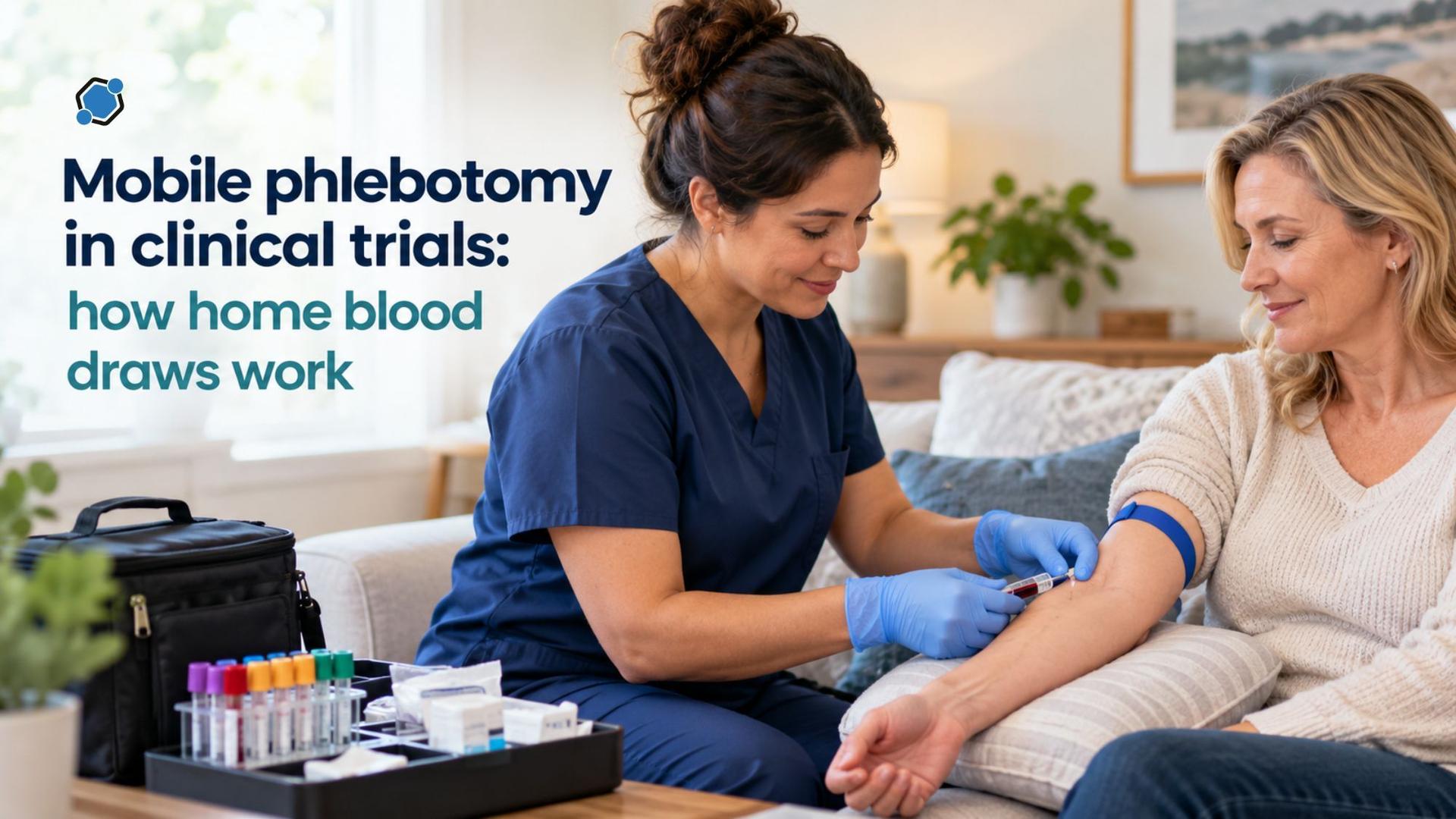
Mobile phlebotomy in clinical trials: how home blood draws work
Blood tests are one of the most common procedures in a clinical trial. They tell the study...
 Anish Teepireddy
Stay Informed. Stay Connected.
Get updates on verified clinical trials, emerging treatments, and research breakthroughs directly in your inbox. No spam, just science that matters.
