 HIPAA Compliant
 ISO 27001 Certified
Virtual clinical trials: What patients need to know
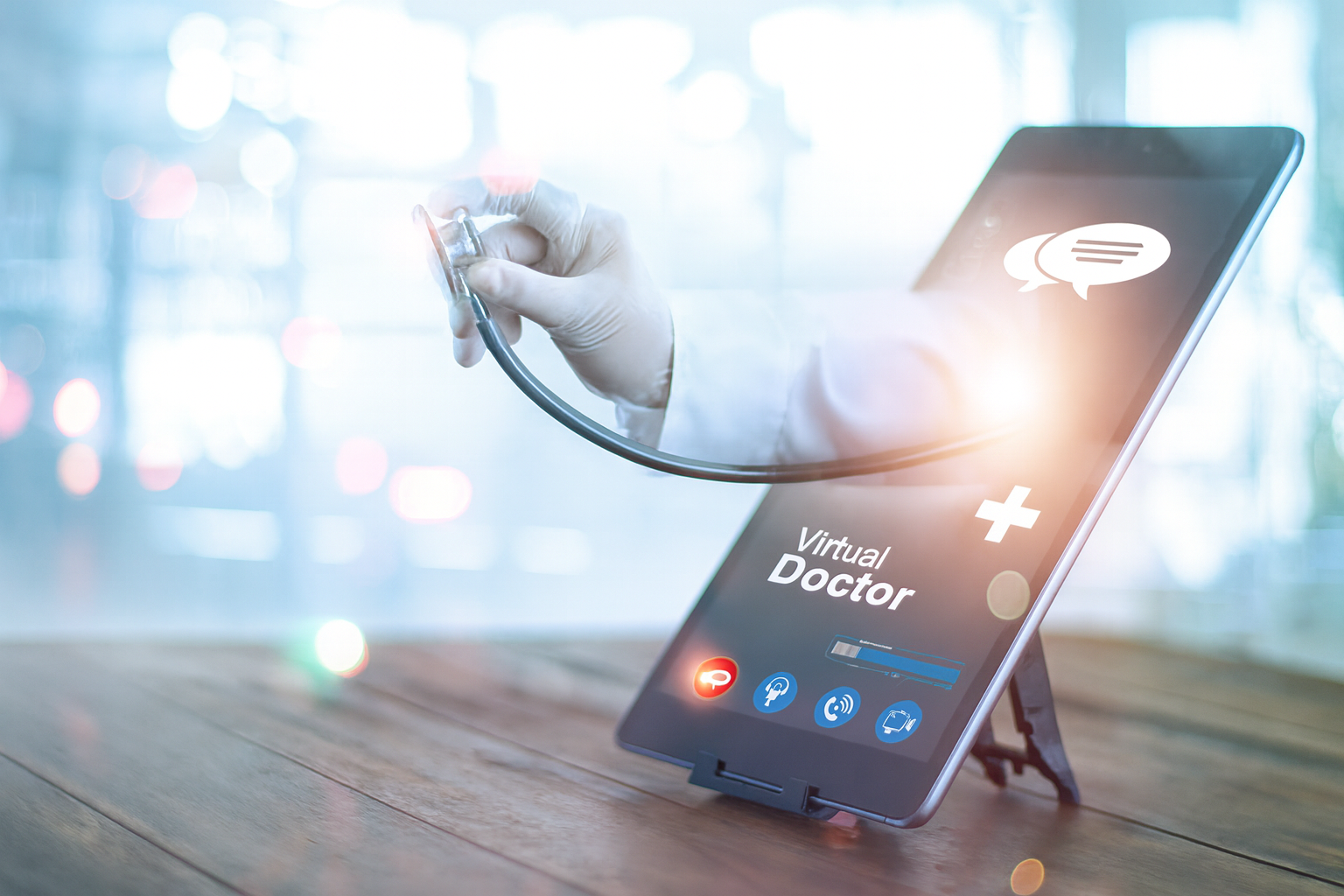
How virtual trials are making participation simpler
Clinical trials are the backbone of medical progress. They are how new therapies, treatments, and medical devices are tested before reaching the public. Yet for many people, joining a trial has long been a challenge. Traveling to hospitals, taking time off work, and arranging childcare or transportation often created barriers.
That is changing. The rise of virtual clinical trials, also known as decentralized clinical trials, is making research easier and more accessible. By using telehealth, wearable devices, and home-based monitoring, patients can now participate in studies without leaving their homes. For healthy volunteers and adults with chronic conditions, this approach is both reassuring and empowering.
If you are new to the concept of trials in general, start with our [Blog: Clinical Trials Explained: Simple Guide for Beginners].
What are virtual (decentralized) clinical trials?
A virtual clinical trial is a research study that allows patients to participate remotely. Instead of attending every appointment at a research center, participants connect with doctors through secure video calls, use wearable devices to track their health, and complete some tests at home.
These are also called decentralized clinical trials because they do not rely on a single study site. The biggest difference is flexibility. While traditional studies require frequent visits, virtual trials bring much of the process into the patient’s daily life. Oversight remains strict, but the experience becomes far more convenient.
How virtual clinical trials work
Virtual trials usually combine technology with direct medical support. Here is what that looks like:
- Telehealth visits Instead of traveling to a clinic, participants meet their study doctor or nurse via secure video calls. These are very similar to the telehealth visits many patients already use.
- Wearable devices Participants may be given fitness trackers, glucose monitors, or heart sensors that record data in real time. These help researchers understand how treatments affect people in their everyday environment.
- Remote patient monitoring Data from wearables and at-home tools is sent securely to the study team. For example, in a diabetes trial, a glucose monitor might automatically upload readings to the research team, alerting them to any unusual patterns.
- Home-based data collection Some trials mail out test kits, such as saliva swabs or finger-prick blood tests, for participants to use at home. Study medications may also be shipped directly, along with instructions for safe use.
Example: Imagine someone with a chronic heart condition joins a virtual trial for a new drug. Instead of commuting to a research center twice a month, they meet their doctor over video calls, wear a heart monitor that shares data automatically, and receive the study drug at home. If their heart rate changes, the research team is notified right away. This keeps them safe while reducing the burden of travel.
Benefits of virtual clinical trials for patients
The rise of virtual clinical trials brings important advantages:
- Convenience and reduced burden: Participation happens mostly at home, saving hours of travel and cutting costs like parking or gas. One study found decentralized trial participants saved more than three hours per visit compared with traditional trials.
- Comfort and flexibility: Instead of waiting at a clinic, patients can log symptoms or complete questionnaires from their own homes at times that suit them.
- Greater diversity and inclusion: Traditional studies often miss rural or underserved groups. Virtual trials make participation possible for people across the country. The NIH notes decentralized models can improve diversity in research. For more context, see our [Blog :The Ongoing Challenge of Clinical Trial Recruitment: What Sponsors Must Change]
- Real-time safety monitoring: Wearables and remote tools provide continuous health data, so researchers can quickly detect and respond to any issues.
Challenges and considerations
While decentralized clinical trials have many benefits, patients should also know about potential challenges:
- Technology barriers: Not everyone has reliable internet or a smartphone. Some studies provide devices and support, but it is worth confirming before enrolling.
- Data privacy and security: Health information must be handled carefully. Virtual trials comply with HIPAA, but patients should always ask how their data will be stored and transmitted.
- Less in-person contact: Some people prefer face-to-face interactions. Virtual models may reduce this, though most include regular video check-ins.
Key note: Always ask how your data will be collected, stored, and used before joining any study.
What patients should ask before joining
If you are considering a virtual clinical trial, here are a few questions to guide your decision:
- Is my data secure?
- What devices will I need, and will they be provided?
- How often will I meet with the study team?
- Will I be reimbursed for my time or expenses?
FAQs
Are virtual clinical trials safe? Yes. They follow the same FDA and IRB oversight as traditional trials.
Can I take part entirely from home? Often yes. Telehealth visits, wearables, and home kits allow remote participation, though some studies may still require occasional site visits.
Do I need special equipment? Most trials provide the necessary devices or kits, along with training and support.
Will I be reimbursed? Some trials compensate participants for time, travel (if required), or other expenses. Always confirm details with the study coordinator.
Clinical research designed around patients
Virtual clinical trials represent a major step toward patient-centered research. They make participation easier, safer, and more inclusive, while keeping the same standards of scientific rigor. By combining telehealth, wearable devices, and home-based monitoring, these studies reduce barriers while maintaining quality and safety.
For patients and volunteers, the message is simple: research is evolving to meet you where you are. With decentralized models, participation is no longer limited by geography. Clinical trials are becoming more accessible, creating a future where advancing medicine also means empowering patients.
Was this article helpful?

Similar Blogs
Mobile phlebotomy in clinical trials: how home blood draws work
Blood tests are one of the most common procedures in a clinical trial. They tell the study...
 Anish Teepireddy
Men's Breast Cancer Awareness Week 2026: signs, risks, and the research gap
Every person is born with a small amount of breast tissue, and men are no exception. That ...
 Swaroop ESD
Obesity and Sleep Apnea: How Weight Affects Breathing During Sleep
Excess body weight is the strongest modifiable risk factor for obstructive sleep apnea, a ...
ParamrajStay Informed. Stay Connected.
Get updates on verified clinical trials, emerging treatments, and research breakthroughs directly in your inbox. No spam, just science that matters.
