 HIPAA Compliant
 ISO 27001 Certified
How to Join a CIDP Clinical Trial: A Step-by-Step Guide
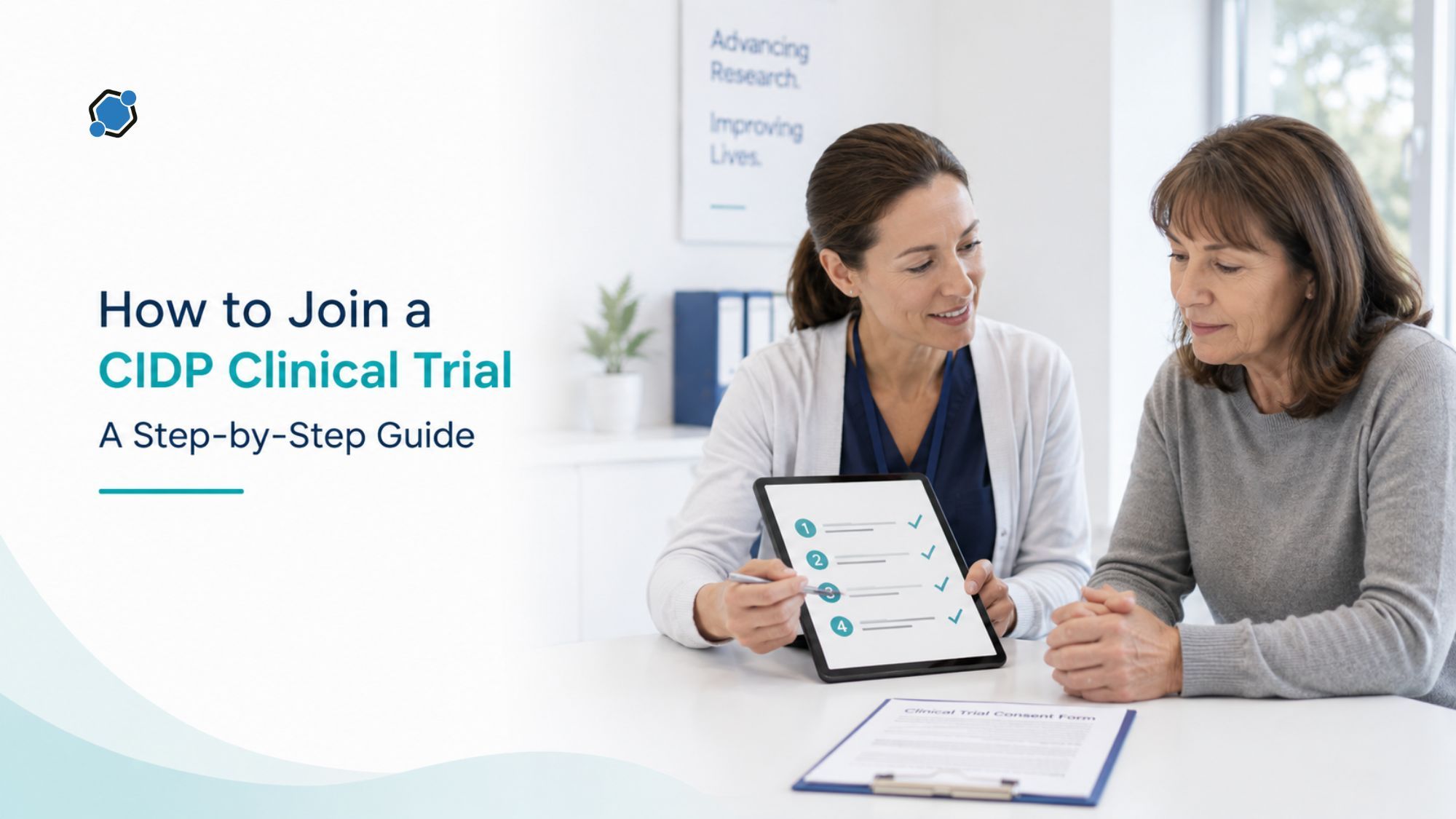
Joining a CIDP clinical trial involves more than simply signing up for a study. Participants typically need to find a suitable trial, complete an initial screening, undergo medical review, provide informed consent, and meet the study's eligibility requirements before they can officially enroll. Although every clinical trial follows its own protocol, the overall enrollment process is designed to protect participant safety while ensuring the study is appropriate for each individual.
For many people living with Chronic Inflammatory Demyelinating Polyneuropathy (CIDP), clinical trials provide an opportunity to access investigational treatments while contributing to research that may improve future care. Understanding how the enrollment process works can help reduce uncertainty and make each step easier to navigate.
This guide explains who may be eligible to participate, how clinical trial enrollment works, and what participants can expect before joining a CIDP clinical trial.
Who Can Join a CIDP Clinical Trial?
There is no single set of eligibility requirements that applies to every CIDP clinical trial. Each study is designed to answer a specific research question, which means the participant criteria may differ depending on the treatment being investigated and the goals of the study.
Some clinical trials recruit individuals who have recently been diagnosed with CIDP, while others focus on people who have experienced relapses, continue to have symptoms despite treatment, or are receiving therapies such as intravenous immunoglobulin (IVIG), corticosteroids, or plasma exchange. Some studies also evaluate investigational treatments in participants who meet very specific medical criteria.
Researchers may consider several factors during enrollment, including:
• A confirmed diagnosis of CIDP
• Age requirements
• Duration of symptoms
• Disease severity
• Previous and current treatments
• Overall health
• Other medical conditions
• Current medications
• Ability to attend scheduled study visits
Meeting the basic requirements does not automatically guarantee participation. Every participant must complete the study's screening process, and the final eligibility decision is always made by the research team conducting the clinical trial.
How Does the CIDP Clinical Trial Enrollment Process Work?
Although every clinical trial has its own requirements, the enrollment journey generally follows six key steps:
• Find a recruiting CIDP clinical trial.
• Complete the Initial Screening
• Attend the research site screening.
• Review and sign the informed consent form.
• Begin participating in the clinical trial.
Each step helps determine whether the study is appropriate for the participant while ensuring they understand what participation involves before enrollment begins.
Step 1: Explore Available CIDP Clinical Trials
The first step is identifying a clinical trial that matches the participant's diagnosis, treatment history, and location.
Instead of searching multiple websites individually, participants can explore recruiting CIDP clinical trials on DecenTrialz. The platform brings available studies together in one place, making it easier to compare opportunities and understand what each study involves before beginning the enrollment process.
Before selecting a study, participants should review:
• The purpose of the study
• The eligibility requirements
• The study locations
• The investigational treatment being evaluated
• The expected visit schedule and overall time commitment
Reviewing these details early helps participants choose a study that better matches their medical history, treatment goals, and personal circumstances before moving to the next stage of enrollment.
Step 2: Complete the Initial Screening
After selecting a suitable clinical trial, participants begin the initial screening process through DecenTrialz.
The process starts with an AI-powered screening questionnaire that collects information about the participant's medical history and current health to build a comprehensive profile before referral to a research site. Questions may include information about:
• The participant's CIDP diagnosis
• Current symptoms
• Previous and ongoing treatments
• Current medications
• General medical history
• Other study-specific questions
If the screening indicates that a participant may be a suitable candidate, the next stage is a primary pre-screening with a registered nurse. During this conversation, the nurse reviews the participant's screening responses in greater detail, discusses their medical history, current symptoms, previous treatments, and overall health, and answers any questions about the study or participation.
Together, the AI screening and primary pre-screening help streamline the enrollment process by gathering the information needed early, identifying participants who may be appropriate candidates, and ensuring the research site receives accurate and complete information before scheduling an official screening visit.
This initial screening does not diagnose CIDP or determine final eligibility for a clinical trial. Participants who appear to be a good match are referred to a participating research site, where the study team performs the official eligibility assessment.
Step 3: Attend the Research Site Screening
Participants who successfully complete the initial screening are referred to a participating research site for the official screening process.
This visit is one of the most important stages of clinical trial enrollment because it allows the research team to determine whether the participant meets all of the study's eligibility requirements. While the earlier screening stages help identify potential candidates, only the research site can make the final decision about enrollment.
During the screening visit, participants may be asked to provide previous medical records or undergo additional evaluations, depending on the study protocol. These assessments help the research team confirm the diagnosis, understand the participant's current health status, and determine whether the study is appropriate for them.
The screening process may include:
• Reviewing medical history
• Confirming the CIDP diagnosis
• Discussing previous and current treatments
• Reviewing current medications
• Neurological examinations
• Physical examinations
• Blood tests or other laboratory assessments
• Nerve conduction studies or other study-specific evaluations, if required
Every clinical trial has different eligibility criteria, so the exact assessments vary from one study to another. Some participants complete screening during a single visit, while others may require additional appointments before a final decision is made.
Step 4: Review and Sign the Informed Consent Form
Before joining any clinical trial, participants receive an informed consent form explaining the study in detail.
The informed consent process is more than signing paperwork. It is an opportunity for participants to understand exactly what the study involves and decide whether participation is right for them.
During this discussion, the research team explains:
• The purpose of the study
• How the investigational treatment will be evaluated
• The expected duration of participation
• Study visits and procedures
• Possible risks and potential benefits
• Participant responsibilities
• Privacy and confidentiality protections
• Whom to contact if questions arise during the study
Participants are encouraged to read the document carefully and ask questions before making a decision. Family members or caregivers may also be involved in these discussions if the participant wishes.
Signing the informed consent form confirms that the participant understands the study and voluntarily agrees to participate. It is important to remember that informed consent is an ongoing process rather than a one-time event. Participants continue receiving information throughout the study and may choose to withdraw at any time if they no longer wish to continue.
Step 5: Begin Participating in the Clinical Trial
Once eligibility has been confirmed and informed consent has been completed, the participant is officially enrolled in the clinical trial.
Before treatment begins, the research team usually performs baseline assessments. These measurements provide a starting point for comparing changes throughout the study and may include neurological evaluations, symptom assessments, functional measurements, and other study-specific tests.
After enrollment, participants follow the schedule outlined in the study protocol. Depending on the trial, this may include:
• Receiving the investigational treatment or study medication
• Attending regular follow-up visits
• Completing neurological assessments
• Reporting changes in symptoms
• Undergoing laboratory testing
• Completing questionnaires about daily functioning or quality of life
Throughout the study, the research team closely monitors each participant's health and safety while collecting information that helps researchers evaluate the treatment being investigated.
What Happens After Joining a CIDP Clinical Trial?
Many people assume that enrollment marks the end of the process, but it is actually the beginning of participation.
Clinical trials follow carefully designed study protocols that specify when participants return for follow-up visits, receive treatment, complete assessments, and report any changes in their health. The schedule varies depending on the type of study and the treatment being evaluated.
During participation, research teams monitor participants for both safety and effectiveness. This ongoing monitoring helps researchers understand how the investigational treatment performs while ensuring participants receive appropriate medical oversight throughout the study.
Participants may also be asked to:
• Report new or changing symptoms
• Inform the study team about new medications
• Attend scheduled appointments
• Complete questionnaires about daily activities or quality of life
• Follow study instructions between visits
Maintaining regular communication with the research team helps ensure accurate study data and supports participant safety throughout the clinical trial.
How Long Does the Enrollment Process Take?
There is no single timeline for joining a CIDP clinical trial.
Some participants complete the enrollment process within a few weeks, while others may take longer depending on several factors, including:
• The complexity of the study
• Availability of research sites
• Scheduling screening appointments
• Obtaining previous medical records
• Completing required medical evaluations
• Meeting all eligibility requirements
Some studies also include additional review periods before enrollment can be finalized.
Although waiting can sometimes feel frustrating, each stage of the process is designed to ensure participant safety and maintain the scientific quality of the research.
What Are the Benefits of Joining a CIDP Clinical Trial?
People choose to participate in clinical trials for different reasons. While every participant has unique goals, many are interested in contributing to research while exploring additional treatment options.
Potential benefits may include:
• Access to investigational treatments being evaluated for CIDP
• Close medical monitoring throughout the study
• Regular follow-up with experienced research professionals
• Helping researchers better understand CIDP
• Contributing to the development of future treatment options for others living with the condition
It is important to understand that clinical trials are research studies. Participation does not guarantee that an investigational treatment will be effective, and every study has potential risks as well as potential benefits.
Understanding the Risks and Considerations
Before deciding to participate, individuals should carefully consider both the opportunities and responsibilities involved in joining a clinical trial.
Possible considerations include:
• Additional study visits compared with routine medical care
• Time required for follow-up appointments
• Possible side effects associated with investigational treatments
• The possibility of receiving a comparator treatment, depending on the study design
• Following study procedures throughout participation
The research team discusses these considerations during the informed consent process so participants have the information they need before making a decision.
Participating in a clinical trial is a personal choice. Taking time to understand the study, ask questions, and discuss participation with healthcare providers and family members can help individuals make an informed decision that aligns with their treatment goals.
Common Reasons Someone May Not Qualify for a CIDP Clinical Trial
Not qualifying for one clinical trial does not mean a person will never be eligible for research. Every study has its own inclusion and exclusion criteria, and participants who are not eligible for one study may still qualify for another.
Researchers establish these criteria to protect participant safety and ensure the study can accurately answer its research questions.
Some of the most common reasons a participant may not qualify include:
The Diagnosis Does Not Meet the Study Requirements
Some studies recruit only people with typical CIDP, while others may focus on specific disease stages, treatment histories, or symptom patterns. If a participant's diagnosis differs from the study requirements, they may not be eligible for that particular trial.
Current or Previous Treatments
Some clinical trials require participants to be receiving a specific treatment, while others require participants to stop certain medications before enrollment. Previous exposure to investigational therapies or particular medications may also affect eligibility.
Other Medical Conditions
Certain health conditions can influence study participation if they may affect participant safety or interfere with study results. The research team carefully reviews each participant's medical history during screening.
Laboratory or Medical Assessment Results
Blood tests, neurological examinations, or other study-specific assessments performed during screening may identify factors that affect eligibility.
Study Capacity
Even if a participant meets all eligibility requirements, enrollment may close once the required number of participants has been reached.
Being ineligible for one study should not discourage future participation. New CIDP clinical trials begin regularly, each with its own eligibility requirements and enrollment criteria.
Questions to Ask Before Joining a CIDP Clinical Trial
Choosing to participate in a clinical trial is an important decision. Asking questions before enrollment helps participants understand the study and decide whether it aligns with their treatment goals and personal circumstances.
Some helpful questions include:
• What is the main purpose of this clinical trial?
• What treatment or therapy is being studied?
• How long will participation last?
• How often are study visits scheduled?
• What tests or procedures will be required?
• Will current CIDP treatments need to change?
• What are the possible risks and potential benefits?
• Will travel or other study-related expenses be reimbursed?
• Who should participants contact if they experience new symptoms during the study?
• Can participants withdraw from the study if they change their minds?
Taking time to discuss these questions with the research team helps participants make informed decisions before enrolling.
Common Myths About Joining a CIDP Clinical Trial
Misunderstandings about clinical research sometimes prevent people from exploring opportunities that may be appropriate for them. Understanding the facts can make the decision-making process easier.
Myth: Clinical trials are only for people who have no other treatment options.
Fact: Many CIDP clinical trials recruit participants with different treatment experiences. Some studies enroll people receiving current therapies, while others investigate treatments for newly diagnosed participants or those with relapsing disease.
Myth: Joining a clinical trial means giving up regular medical care.
Fact: Participants continue to receive medical oversight throughout the study. Research teams closely monitor participant safety while coordinating care according to the study protocol.
Myth: Signing informed consent means participants cannot change their minds.
Fact: Participation is voluntary. Even after signing the informed consent form, participants may decide to withdraw from the study at any time.
Myth: Every person with CIDP qualifies for every clinical trial.
Fact: Each study has unique eligibility criteria. Age, diagnosis, treatment history, overall health, and other medical factors all influence whether a participant qualifies for a specific study.
Myth: Clinical trials always involve experimental treatments.
Fact: Some studies evaluate investigational therapies, while others compare existing treatments, monitor long-term outcomes, or collect information about how CIDP affects people over time.
Conclusion
Joining a CIDP clinical trial is a structured process that helps ensure each study is appropriate for both participants and researchers. From finding a suitable study and completing screening to reviewing informed consent and beginning participation, every step is designed to support participant safety while maintaining the quality of the research.
Although every clinical trial has its own requirements, understanding the enrollment journey beforehand can help participants feel more confident as they move through the process. Knowing what happens at each stage also makes it easier to prepare questions, gather medical information, and understand what participation may involve.
For individuals interested in exploring clinical trial opportunities, platforms such as DecenTrialz simplify the process by bringing recruiting studies together, providing an AI-powered initial screening process, followed by a primary pre-screening with a registered nurse for eligible participants, and connecting qualified individuals with participating research sites for the official screening and enrollment process.
Most importantly, choosing to participate in a clinical trial is a personal decision. Taking time to understand the study, discuss participation with healthcare providers and loved ones, and carefully review the informed consent information can help individuals decide whether joining a clinical trial is the right next step for their care journey.
Frequently asked questions
Who can join a CIDP clinical trial?
Eligibility varies from one study to another. Most CIDP clinical trials have specific requirements based on factors such as diagnosis, age, treatment history, disease severity, overall health, and current medications. Final eligibility is determined by the research team after completing the study's screening process.
Do I need a doctor's referral to join a CIDP clinical trial?
Not always. Many clinical trials allow participants to express interest directly through a clinical trial platform such as DecenTrialz. However, the research team may request medical records or contact the participant's treating neurologist during the screening process to verify the diagnosis and treatment history.
What happens during the research site screening visit?
The research site screening visit confirms whether a participant meets all of the study's eligibility requirements. Depending on the trial, the visit may include reviewing medical records, discussing treatment history, performing neurological and physical examinations, conducting laboratory tests, and completing other study-specific assessments.
Can I leave a clinical trial after joining?
Yes. Participation in a clinical trial is completely voluntary. Participants may choose to withdraw from the study at any time. Before making that decision, the research team may discuss any safety considerations and explain the appropriate next steps.
How long does a CIDP clinical trial last?
The duration depends on the study. Some clinical trials last only a few months, while others may continue for a year or longer. Before enrollment, participants receive detailed information about the expected timeline, study visits, treatment schedule, and follow-up requirements during the informed consent process.
Was this article helpful?

Similar Blogs

Health Unit Coordinator Day: the behind-the-scenes team that helps clinical trials run
Every August 23, the United States recognizes Health Unit Coordinator Day. The date honors...
 Paramraj
Home nursing visits in clinical trials: what participants can expect
Clinical trial visits are starting to look different. In a growing number of studies today...
Vamshi Kantoju
World Mosquito Day 2026: How clinical trials are advancing mosquito-borne disease prevention
Mosquitoes are often described as the deadliest animal on the planet, and the reason is no...
Mahesh UpadristaStay Informed. Stay Connected.
Get updates on verified clinical trials, emerging treatments, and research breakthroughs directly in your inbox. No spam, just science that matters.
