


International Self-Care Day 2026: What It Means, Why July 24, and How to Care for Your Health
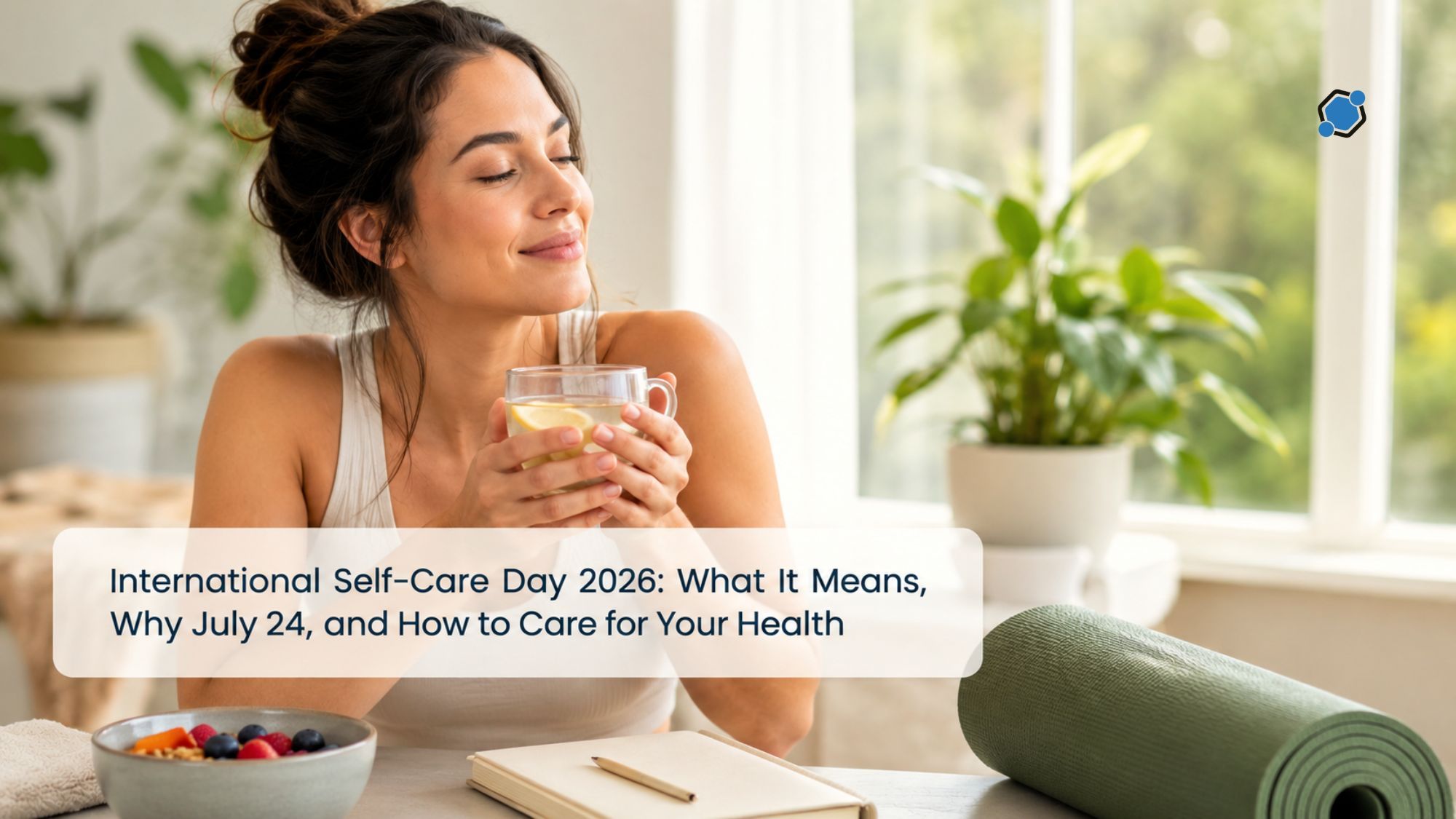
International Self-Care Day is observed every year on July 24. The date carries a specific meaning. Self-care benefits are experienced 24 hours a day, 7 days a week, and the calendar shorthand 7/24 reflects that idea directly. Since 2011, the day has served as an annual reminder that looking after personal health is a continuous practice, not a single event. The observance now sits inside a wider Self-Care Month recognized by the World Health Organization, which runs from June 24 to July 24 each year.
Why International Self-Care Day falls on July 24
The choice of date is symbolic rather than clinical. July 24 reads as 7/24 in the United States calendar shorthand, which mirrors the phrase "24 hours a day, 7 days a week." The day was established to draw attention to the idea that health is shaped every day, in small and often overlooked ways.
Over the past decade, national and international bodies have expanded the observance. The World Health Organization created a parallel Self-Care Month that begins on June 24 and closes on July 24, and the United States Senate has formally recognized July 24 as International Self-Care Day. The message across all these efforts is consistent: personal health is built through habits, informed choices, and access to trustworthy information over time, not through a single visit or a single decision.
What self-care actually means, in plain language
The World Health Organization defines self-care as the ability of individuals, families, and communities to promote health, prevent disease, maintain health, and cope with illness and disability, with or without the support of a health worker. That definition covers more ground than the phrase suggests. It includes daily habits, preventive behaviors, informed use of medicines, and the way a person chooses when to seek professional care.
Two ideas help make the definition concrete. Self-care actions are the everyday habits and choices that shape health: sleep, movement, nutrition, stress management, and connection with others. Self-care interventions are the tools that support those choices, such as safe medicines, home diagnostic tests, wearable devices, and digital health apps. Both categories work best when they sit alongside professional care, not instead of it.
Self-care is not a replacement for a doctor. It is what happens between visits, and it is what makes those visits more useful. For anyone who wants a plain-language grounding in how the wider healthcare system fits together, Clinical Trials Explained: Simple Guide for Beginners offers a straightforward starting point on one part of that system.
The seven everyday building blocks of self-care
A widely used framework organizes self-care into seven practical areas. Each area translates into choices most people already recognize.
- Health literacy means being able to find, understand, and act on health information. In everyday terms, it is the skill of reading a prescription label, understanding a lab result, or knowing which questions to ask a doctor. How to Read Your Informed Consent Form Before Joining a Clinical Trial shows what applied health literacy looks like when the document in front of a person is unusually detailed.
- Self-awareness of physical and mental condition means paying attention to what is normal for the body and noticing when something shifts. It includes knowing key numbers such as blood pressure, being aware of family medical history, and recognizing changes in mood or sleep.
- Physical activity refers to consistent movement, not athletic training. Regular activity lowers the risk of several long-term conditions and supports mental health.
- Healthy eating means a balanced pattern that supports the body's needs. Diet quality is one of the most studied contributors to long-term health.
- Risk avoidance and mitigation covers reducing known hazards. Not smoking, moderating alcohol, wearing a seatbelt, using sunscreen, and staying current on recommended vaccinations all fall under this pillar.
- Good hygiene includes daily practices such as handwashing, dental care, and food safety.
- Rational and responsible use of products, services, diagnostics, and medicines means using healthcare resources wisely. Taking medicines exactly as prescribed, using tests when they add value, and understanding the full range of care options available all sit inside this pillar.
None of these areas require a medical background. They require attention, information, and steady practice.
What real self-care includes (and what it does not)
Self-care has become a widely used phrase, and some of its meaning has been diluted along the way. Two clarifications are worth stating directly.
First, real self-care is not the same as pampering. Rest and enjoyment matter, but the core of self-care is the ordinary decisions that shape long-term health: sleeping enough, keeping preventive appointments, taking prescribed medications correctly, moving the body, and asking for help when it is needed. Some of those choices are pleasant, some are neutral, and some require effort on a difficult day.
Second, self-care is not a substitute for professional medical care. Recognized medical institutions such as Cleveland Clinic warn specifically about the risks of self-diagnosis, where symptoms are matched against internet sources rather than reviewed by a trained clinician. Self-care includes knowing when to self-manage a minor issue and when to escalate to a professional. That judgment is itself a skill, and it improves when a person is well informed about their own health and about the options available to them. Practical patient-facing guides such as Clinical Trial Volunteers Guide: Your First Step Into Clinical Trials illustrate what that kind of preparation looks like in one specific setting.
Why self-care matters in a world of chronic conditions
Chronic conditions shape modern healthcare in the United States more than any other category. A large share of adults live with at least one long-term condition such as high blood pressure, diabetes, asthma, arthritis, or a mood disorder. Federal health agencies point to chronic disease and mental health conditions as the leading drivers of national health spending, and they consistently identify self-management as a core part of good care.
Self-management does not replace clinical care. It fills the space between appointments. It includes tracking symptoms, managing medications, following through on lifestyle changes discussed with a clinician, and knowing when a change in symptoms warrants a call to a care team. For anyone living with a long-term condition, self-care is not optional. It is part of how the condition is managed, day by day. Chronic Disease Awareness Day 2026: What It Means, Why 7/10, and How Research Helps explores the intersection between long-term conditions and research in more depth.
Knowing your healthcare options as an act of self-care
Being informed about all the paths available in healthcare is a form of self-care that receives less attention than it should. Preventive screenings, mental health support, medication management, and lifestyle changes are widely discussed. Research participation is not.
Clinical trials are research studies that test whether a new medical, surgical, or behavioral approach is safe and effective. They are part of how any newly approved medicine or device is developed, and they are one of several care pathways a person may choose to explore. National surveys have found that most adults have never had a conversation with a clinician about clinical trials as an option, even when they live with a long-term condition. That gap is not a matter of interest. Many people report wanting to learn more but not knowing where to start.
Knowing that clinical trials exist, understanding what participation involves, and being able to look up whether a study fits a person's condition are all extensions of the same skill set that supports every other kind of self-care: health literacy, self-awareness, and informed use of health services. DecenTrialz Explained: How to Search, Read, and Apply for Clinical Trials walks through that process in plain terms.
How AI-assisted matching and nurse-led pre-screening fit into informed self-care
When a person decides to explore whether a clinical trial might be a fit, the process can look overwhelming. There are hundreds of open studies at any given time across many conditions, and the eligibility rules for each one are detailed. DecenTrialz is a platform built to make that early step easier. AI-assisted matching narrows a large field of active studies down to a smaller list that appears to align with a person's condition, age, location, and other basic factors. A registered nurse then conducts a pre-screening conversation to review the potential match in more depth and confirm which studies are worth exploring further.
Two boundaries are important to understand. The nurse pre-screens only. Final eligibility determination, informed consent, the study walk-through, and enrollment are always handled by the research site team running the study. The role of a matching platform is to shorten the distance between a person and the studies for which they might qualify, not to replace the medical judgment of the research team. That structure keeps informed decision-making with the participant and the site, where it belongs. Anyone curious about active studies can start at decentrialz.com.
Turning July 24 into a lasting practice
International Self-Care Day is a useful prompt, but the date matters less than what follows it. The habits, questions, and choices that shape health are made on ordinary days, in small moments that rarely feel important on their own. Reading a medication label carefully. Booking a screening that has been put off. Asking a clinician what a lab result means. Learning that clinical research is one of the options available. Each of those actions is self-care in practice.
For readers who want to take one concrete step this July 24, exploring active clinical trials that match a specific condition takes only a few minutes and adds a genuine option to a person's understanding of their own care. Start at decentrialz.com to see what is currently open.
Was this article helpful?
Similar Blogs
World Castleman Disease Day 2026: A rare disease, its subtypes, and the research moving forward
Castleman disease is a rare disorder that affects the lymph nodes, the small immune system...
 Swaroop ESD
World Sjögren's Day 2026: Recognizing an autoimmune disease that takes years to diagnose
Every July 23, patient organizations, clinicians, and researchers around the world mark Wo...
Paramraj
World Brain Day 2026: brain health, access, and everyday prevention
World Brain Day is an annual public health observance dedicated to the brain and to the ma...
Swaroop ESDStay Informed. Stay Connected.
Get updates on verified clinical trials, emerging treatments, and research breakthroughs directly in your inbox. No spam, just science that matters.
