 HIPAA Compliant
 ISO 27001 Certified
Point-of-care clinical trials: how research fits inside routine practice
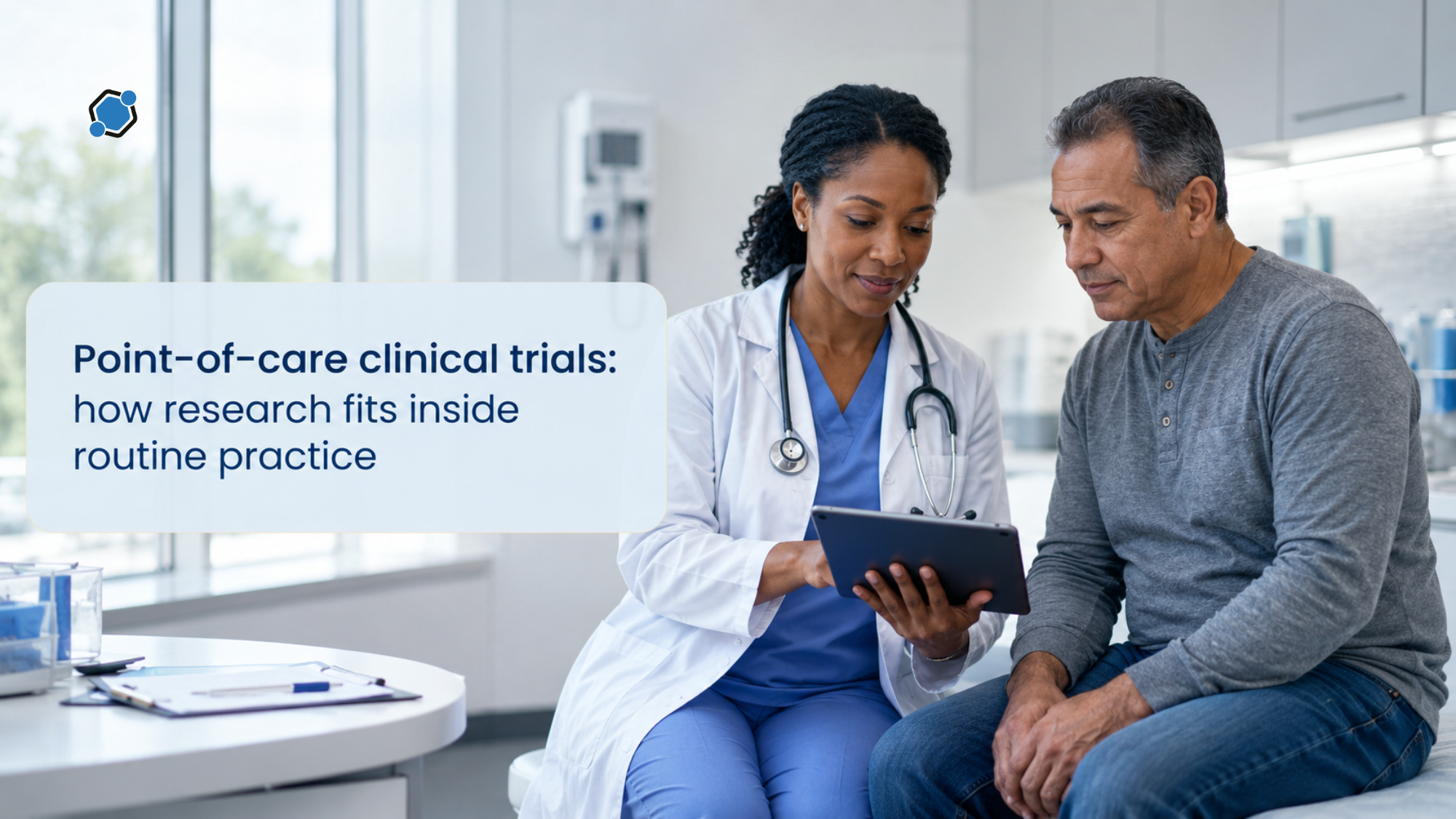
Clinical research and clinical care have long operated as parallel systems. Patients receive treatment in one setting and participate in studies in another, often at academic centers with their own staff, workflows, and paperwork. Point-of-care clinical trials are an effort to close that gap by running research inside the clinic, hospital ward, or pharmacy where care is already being delivered. For clinicians, this model raises a practical question: what changes when a study is happening around a routine patient encounter, and what does not?
This article walks through what the point-of-care model actually is, how it works in a normal workflow, the landmark studies that have proven it at scale, the regulatory picture in 2026, and where clinicians fit within it.
What a point-of-care clinical trial actually is
A point-of-care clinical trial is an operational approach to running research inside routine clinical care. The label describes where and how the study is conducted, not the underlying study design. A point-of-care trial can be pragmatic (comparing options that a clinician might already choose between in practice), or it can retain more explanatory features. The unifying idea is that identification, enrollment, randomization, data capture, and follow-up are folded into the ordinary care setting rather than sitting alongside it in a dedicated research clinic.
The phrase point of care collides with two unrelated meanings. It refers to laboratory diagnostics performed at the bedside (point-of-care testing), and to clinical reference tools used at the moment of decision-making. This article uses the term strictly in the trial-design sense: research conducted inside the setting where patients receive their usual care.
Several adjacent terms describe overlapping ideas. Embedded pragmatic clinical trials, large simple trials, and clinically-integrated randomized trials all point at the same basic move, which is to bring research to where patients already are. The distinctions matter mostly to methodologists. For a practicing clinician, the useful mental model is straightforward: the study is running through the clinic rather than beside it. For a broader view of how the wider industry is reorganizing around this idea, see Rethinking clinical trial operations: what efficiency, access, and AI mean for sponsors and CROs.
How the model works inside a normal clinical workflow
The mechanics of a point-of-care trial are built around the electronic health record (EHR). Eligible patients are identified by querying the EHR against a computable definition of the study population. When a matched patient arrives for a scheduled visit, a prompt appears in the clinician's workflow indicating that the patient is potentially eligible. Randomization, when it occurs, happens at the point of care rather than at a distant coordinating center. Follow-up data are drawn from subsequent clinical encounters and, in many cases, from administrative or claims data that would have been generated anyway.
Endpoints reflect this design. Instead of scheduling additional research visits to measure surrogate markers, a point-of-care trial often uses outcomes that appear naturally in the record: hospitalization, laboratory values from routine testing, prescription refills, or mortality captured through linked data sources. Comparators tend to be existing standard-of-care options rather than a placebo, because the questions being asked are usually about how approved options compare in real practice.
The patient experience is, by design, close to indistinguishable from usual care. Community-based clinicians have shown that involvement in this kind of research does not require the infrastructure of a large academic center. For a related view of how primary care and community physicians extend the reach of clinical research, see How community physicians can expand clinical trial participant pools.
How consent is handled
Consent in a point-of-care trial is designed around the setting. Several models appear in the published literature. Central models rely on a coordinating team that reaches out by telephone or secure message once a potentially eligible patient has been flagged. Nurse-led models place the consent conversation with a registered nurse rather than the treating physician, which addresses the concern that patients may feel obligated when the same clinician who cares for them is also asking them to enroll. Two-step or just-in-time consent separates a broad willingness-to-be-approached conversation from the specific study consent that follows. For minimal-risk investigations of already-approved products, the 21st Century Cures Act allows an institutional review board (IRB, the independent body that oversees research ethics) to waive or alter consent under defined conditions.
Landmark examples that prove the model at scale
Four studies illustrate what the point-of-care model can deliver.
The Diuretic Comparison Project, run across the Department of Veterans Affairs (VA) health system, randomized more than 13,000 older Veterans with hypertension across 72 VA sites to compare two long-standing diuretic options. Enrollment used telephone consent, no dedicated study visits, and endpoint data drawn from the VA record linked to Medicare claims. Results were published in the New England Journal of Medicine in late 2022 and showed no significant difference between the two agents on the primary composite outcome.
The Salford Lung Study, conducted in and around the English city of Salford, was described by its investigators as the first pragmatic randomized trial of a pre-licensed inhaled medication. Enrollment and follow-up used a linked EHR spanning primary care, a single hospital, and collaborating community pharmacies, and demonstrated that a real-world design can support a regulatory-grade evidence base for respiratory conditions.
ADAPTABLE, run across the PCORnet network in the United States, randomized more than 15,000 patients with established cardiovascular disease to two doses of aspirin. It was the first interventional trial conducted across PCORnet, used an electronic consent portal, and captured outcomes through a combination of patient report, EHR review, and claims data.
RECOVERY, the adaptive platform trial embedded across the United Kingdom's National Health Service during the COVID-19 pandemic, showed what an embedded model can do under pressure. It launched in nine days, enrolled tens of thousands of hospitalized patients, and produced the dexamethasone finding that changed practice worldwide. For a broader look at how clinical research translates into patient benefit, see How clinical trials advance medicine and change lives.
The regulatory picture in 2026
The regulatory environment for point-of-care research has shifted meaningfully over the past two years, though several key documents remain in draft form.
In September 2024, the Food and Drug Administration (FDA, the United States regulator of drugs, biologics, and devices) issued draft guidance titled Integrating Randomized Controlled Trials for Drug and Biological Products Into Routine Clinical Practice. The document uses the phrase point of care trials directly and encourages sponsors to engage health care institutions to speed enrollment. It sits within FDA's broader Real-World Evidence Program. As of publication, this guidance remains draft and non-binding.
On the same day in September 2024, FDA finalized separate guidance on Conducting Clinical Trials With Decentralized Elements, which addresses the qualifications and roles of local health care providers, data variability, and inspection expectations. Both documents are relevant to the point-of-care model, though the boundaries between decentralized elements and point-of-care approaches are not always crisp.
The International Council for Harmonisation (ICH, the multilateral body that develops shared clinical research standards) adopted the revised E6(R3) Good Clinical Practice guideline in January 2025. FDA adopted and published E6(R3) in September 2025. E6(R3) accommodates decentralized elements, electronic informed consent, and the use of real-world data in a way its predecessor did not, and its principles of quality by design and proportionality are directly relevant to point-of-care conduct. Separately, the 21st Century Cures Act (Section 3024) authorizes FDA to permit an IRB to waive or alter consent for minimal-risk FDA-regulated investigations, with implementing rules effective in early 2024. For a related discussion of how FDA guidance shapes what is asked of participants in modern trials, see Reducing participant burden: insights from FDA guidance.
What the point-of-care model asks of clinicians, and what it does not
For clinicians, the most useful question is what participation actually looks like in day-to-day practice. The answer varies with the study design, but a few patterns are consistent.
The point-of-care model does not require every participating clinician to become a formal investigator. In the central model used by the Diuretic Comparison Project, treating primary care providers gave assent for randomization of their own patients, but a centralized team handled the study without local site staff, and providers could decline randomization for any patient at any time. This structure minimizes the administrative and training burden that would otherwise fall on the clinic.
Point-of-care research remains subject to IRB oversight and good clinical practice standards. The formal responsibilities of an investigator, including the requirement to hold current Good Clinical Practice training, apply only when a clinician is formally engaged in the research. Referral pathways and pre-screening handoffs keep most participating clinicians outside that formal designation.
Does participating change my liability?
Point-of-care studies are governed by IRB approval, protocol, and sponsor oversight. Central and embedded models tend to limit the treating clinician's formal investigator obligations. Specific medico-legal implications depend on local law, institutional policy, and the terms of the study; clinicians with questions on this point should consult their institution's legal and risk-management resources rather than relying on general guidance.
How is consent handled when the treating clinician is also the investigator?
This is the ethical question that has received the most attention in the point-of-care literature. Regulators and professional bodies have raised concerns about patients feeling obligated to participate when their own clinician is asking. The practical responses are the models described earlier: centralized consent teams, nurse-led consent conversations, two-step approaches, and, for minimal-risk studies, IRB-approved waivers or alterations. The underlying ethical standard is clinical equipoise, which is the presence of genuine uncertainty within the expert community about which option is better.
Will this add to my documentation burden?
Central models plus EHR-based data capture are designed to keep additional documentation minimal. In the Diuretic Comparison Project, primary care providers were not asked to write research-specific notes or complete case report forms; the data came from clinical care itself, supplemented by linked administrative sources. Studies that rely more heavily on custom data collection can add burden, and clinicians considering participation should ask about this specifically.
How can a clinician refer without becoming an investigator?
Referral to a research site remains the simplest way to support a study without taking on investigator responsibilities. Modern pre-screening infrastructure allows a clinician to identify a potentially eligible patient, obtain agreement to be contacted, and hand off the rest to the research team. Consent, eligibility determination, and enrollment then sit with the research site. For a related view of how clinicians are positioned inside the research ecosystem, see The clinician's role in expanding trial access for patients.
Where DecenTrialz fits in a point-of-care model
The point-of-care model succeeds when the identification and pre-screening bottleneck is handled without adding load to the clinical team. That is where DecenTrialz operates. AI-assisted matching surfaces potentially eligible patients from available clinical data, and registered nurse-led pre-screening handles the initial conversation, verifies key eligibility elements, and prepares the handoff to the research site.
DecenTrialz supports the early stages of participant identification and pre-screening. The research site team owns final eligibility determination, informed consent, study walk-through, and enrollment.
For clinicians, sponsors, and research sites exploring how a point-of-care or embedded design can work in a specific therapeutic area, DecenTrialz can walk through how pre-screening infrastructure sits alongside site operations without displacing them. Get in touch to discuss what this looks like for a specific study.
Was this article helpful?

Similar Blogs
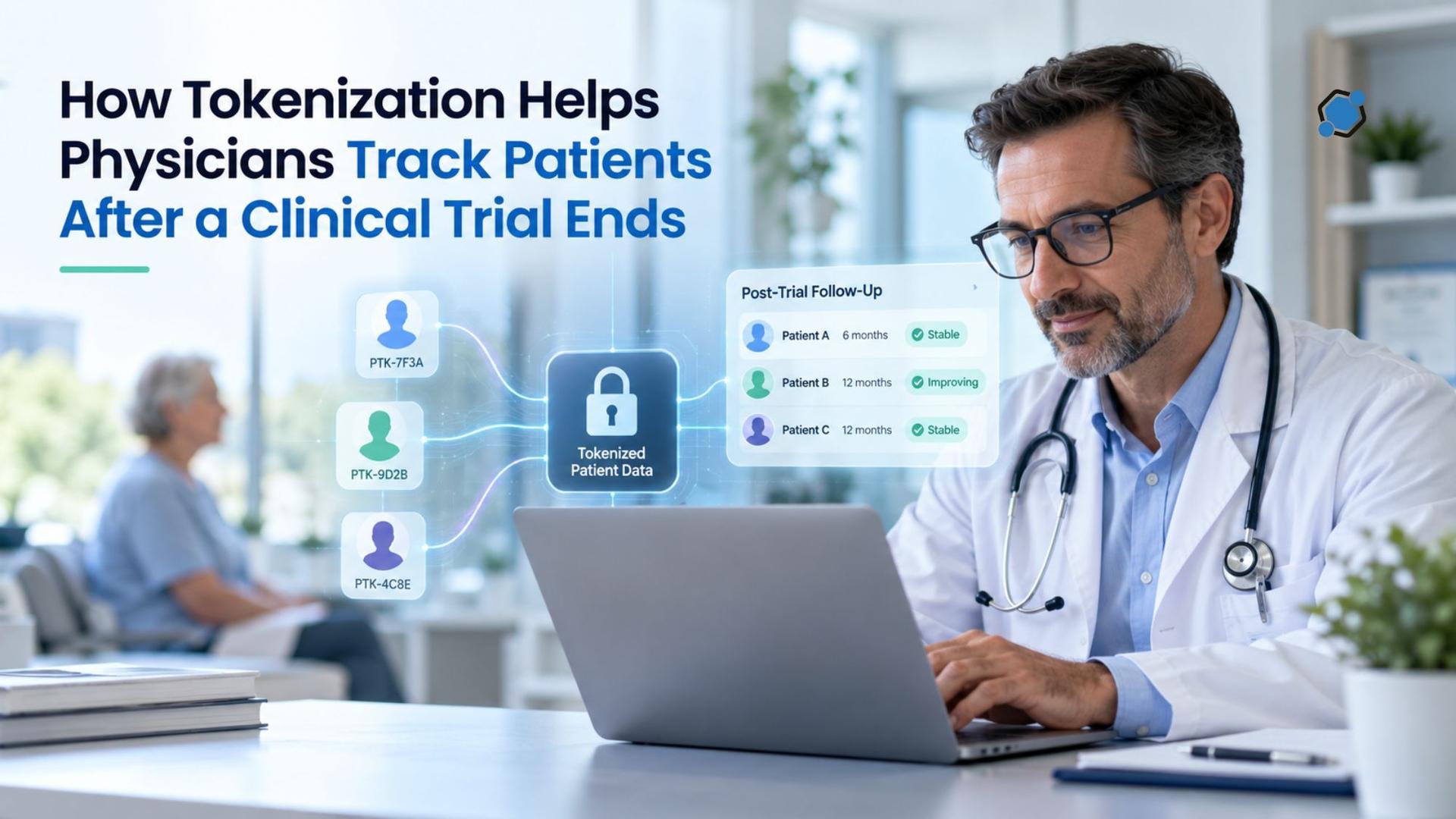
How Tokenization Helps Physicians Track Patients After a Clinical Trial Ends
Tokenization is changing how sponsors keep track of clinical trial participants long after...
 Swaroop ESD
Digital Endpoints in Clinical Trials: What Wearable Data Measures and What It Does Not
Digital endpoints in clinical trials have changed both what a study measures and where the...
Mahesh Upadrista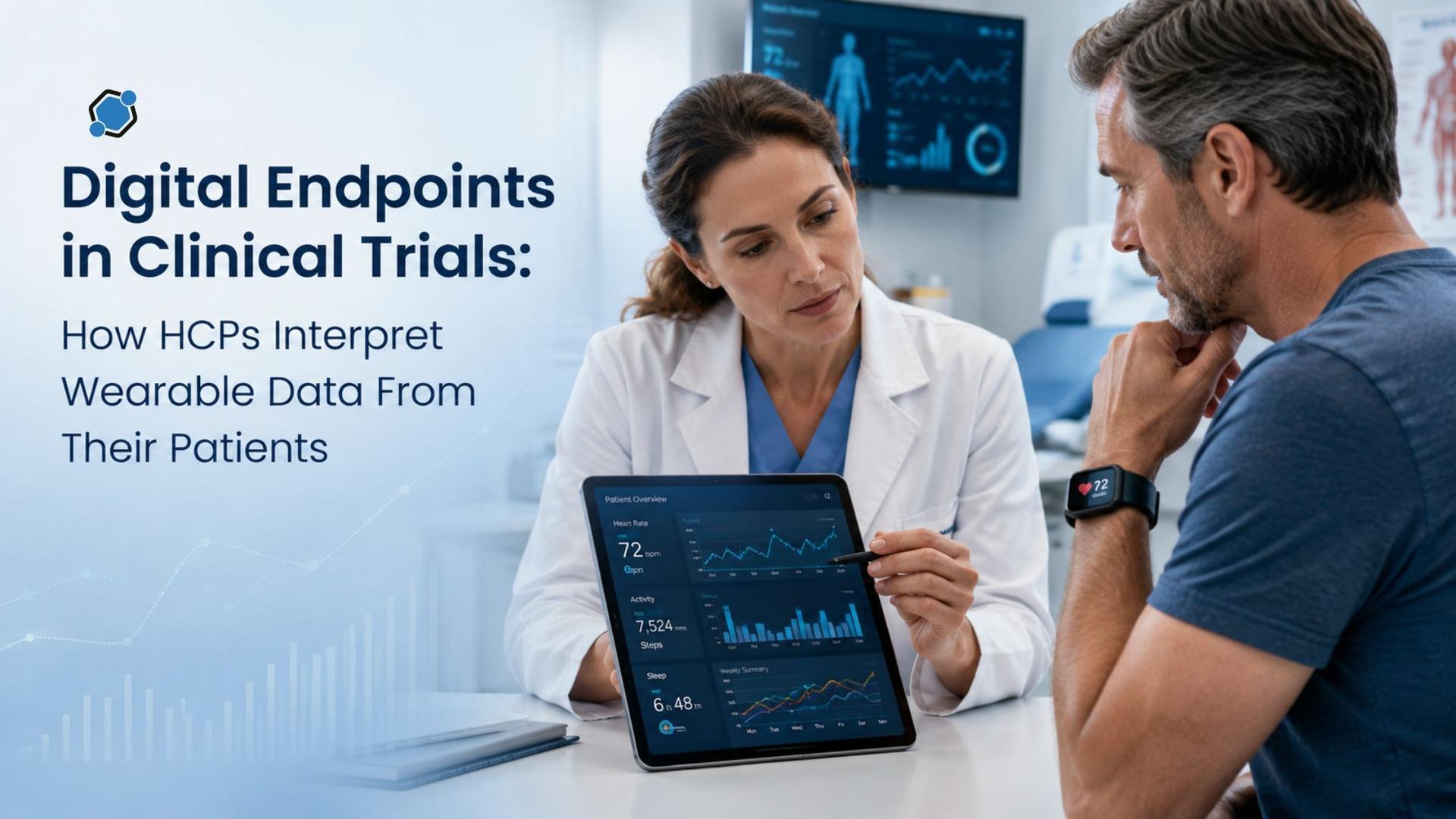
Digital Endpoints in Clinical Trials: How HCPs Interpret Wearable Data From Their Patients
Wearable devices now generate a substantial share of the data collected during modern clin...
Deeksha GittaStay Informed. Stay Connected.
Get updates on verified clinical trials, emerging treatments, and research breakthroughs directly in your inbox. No spam, just science that matters.
