 HIPAA Compliant
 ISO 27001 Certified

World COPD Day 2026: what is it, and how is research changing COPD care?
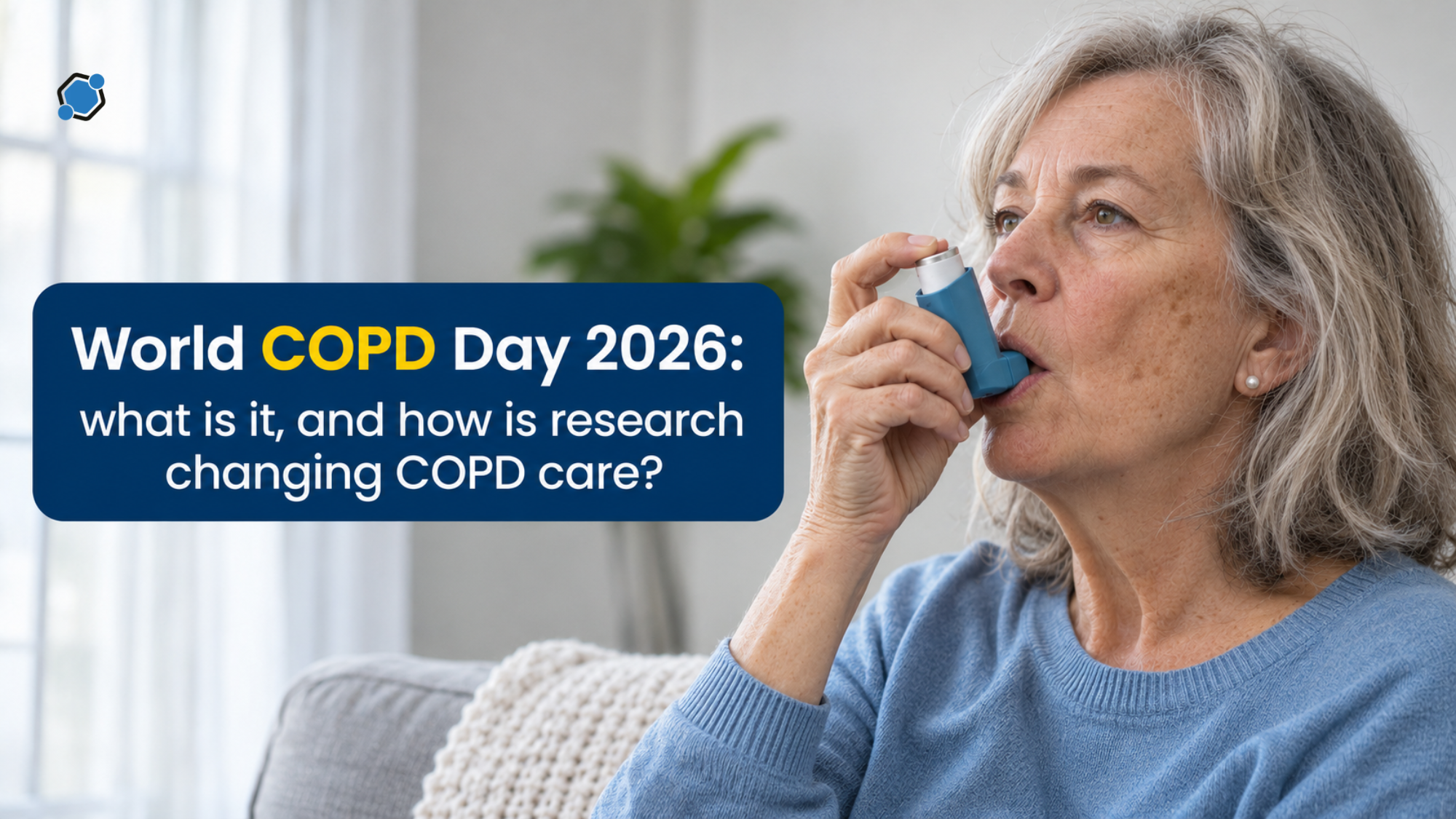
World COPD Day 2026 falls on Wednesday, November 18. This year’s theme, “Early Diagnosis and Management for a Better Life,” addresses a long-standing problem: chronic obstructive pulmonary disease (COPD) is often diagnosed years after lung damage has begun. Global health estimates now rank COPD as the third leading cause of death worldwide, with about 3.4 million deaths in 2023. This article explains what World COPD Day is, who is at risk, how COPD is diagnosed and managed, and how research is changing care.
What is World COPD Day, and what is COPD?
World COPD Day is an annual awareness day organized by an international initiative of lung health experts, formed in the late 1990s with support from U.S. and global health agencies. The first World COPD Day took place in 2002, which makes 2026 its 25th year. It is held each November, the same month the United States observes COPD Awareness Month.
Each year has a theme. The 2026 theme asks health systems and the public to find COPD earlier and manage it well from the start. Earlier care may help slow the loss of lung function and reduce flare-ups.
COPD is a long-term lung disease that makes it hard to move air out of the lungs. Doctors call this airflow obstruction. It usually involves two overlapping problems:
- Emphysema: damage to the tiny air sacs at the ends of the airways, where oxygen passes into the blood.
- Chronic bronchitis: long-lasting swelling of the airways that causes a daily cough with mucus.
The damage generally cannot be undone, but treatment can ease symptoms and may slow the disease.
COPD is sometimes confused with asthma. Asthma often starts earlier in life, and the airway narrowing usually improves a great deal with treatment. In COPD, the narrowing does not fully reverse. Some people have features of both, which is one reason a proper breathing test matters. Research on both conditions depends on volunteers, as shown in this look at the role of community in asthma research.
Who gets COPD, and why is it often found late?
Roughly 1 in 16 U.S. adults report a COPD diagnosis, and many more may have the disease without knowing it. COPD develops slowly, usually after years of breathing in substances that irritate and damage the lungs. The main risk factors include:
- Tobacco smoking, including past smoking and secondhand smoke
- Smoke from burning wood, coal, or other solid fuels for cooking and heating
- Outdoor air pollution
- Dust, fumes, and chemicals at work
- Problems with lung growth early in life, such as premature birth or frequent childhood chest infections
- Asthma, especially in childhood
- Alpha-1 antitrypsin deficiency, an inherited condition
Smoking is the leading cause, and it also drives many of the lung cancer risks and screening questions people face. Still, COPD is not only a smoker’s disease. About 1 in 4 Americans with COPD never smoked.
Alpha-1 antitrypsin deficiency deserves special mention. The body normally makes a protein called alpha-1 antitrypsin, which helps protect the lungs. People who inherit low levels can develop COPD at a younger age. Because the condition is often missed, current expert recommendations call for everyone diagnosed with COPD to be tested for it once.
Early symptoms are easy to dismiss. They include:
- Shortness of breath, especially during activity
- A cough that lasts for months, with or without mucus
- Wheezing or chest tightness
- Frequent chest colds or infections
- Tiredness
Many people link these signs to aging or being out of shape. Some slowly cut back on activity to avoid getting breathless, which hides the problem further. U.S. survey data cited in the 2026 international COPD report suggest that roughly 7 in 10 people with COPD-range lung function have never been diagnosed.
What do early diagnosis and management look like?
The breathing test, step by step
COPD is confirmed with spirometry, a simple breathing test done in a clinic. It involves no needles and no radiation. The test usually works like this:
- A soft clip may be placed on the nose so air leaves only through the mouth.
- The person takes the deepest breath possible, then blows out as hard and fast as possible into a mouthpiece.
- The blow is repeated a few times to get consistent results.
- The test is usually repeated after inhaling a medicine that opens the airways, called a bronchodilator.
The machine measures how much air comes out in the first second (FEV1) and the total amount blown out (FVC). Healthy lungs empty most of their air in that first second. Under widely used international criteria, an FEV1 to FVC ratio below 0.70 after the airway-opening medicine confirms airflow obstruction that does not fully reverse.
Why flare-ups matter
A flare-up, which doctors call an exacerbation, is a period when breathlessness, coughing, or mucus gets noticeably worse over a few days. Respiratory infections are a common trigger. Flare-ups can lead to hospital stays and a lasting loss of lung function, so preventing them is a central goal of care. The 2026 international report treats even one moderate or severe flare-up in the past year as a sign of higher risk that calls for a review of treatment.
How COPD is managed
COPD has no cure, but a care plan started early can help people stay active and may reduce flare-ups. A health care provider tailors each plan. Common parts include:
- Quitting smoking or vaping, the most important single step for people who smoke
- Inhalers that relax the airways, some for quick relief and some taken every day
- Inhaled steroid medicines for some people, often combined with airway-opening medicines
- Pulmonary rehabilitation, a supervised program of exercise, breathing techniques, and education
- Recommended vaccines, such as flu, COVID-19, RSV, and pneumococcal vaccines
- Oxygen therapy for people with low blood oxygen levels
- A written action plan for what to do when symptoms get worse
Vaccines matter because chest infections often set off flare-ups. This World Pneumonia Day overview explains how pneumonia can be prevented.
How is research changing COPD care?
For decades, COPD treatment relied mainly on inhalers that open the airways and reduce swelling. These medicines remain the base of care, but research in the past few years has added new options for specific groups of patients.
In 2024, U.S. regulators approved a nebulized maintenance medicine that blocks certain enzymes, which both relaxes the airways and calms inflammation. In 2024 and 2025, they also approved the first two biologic medicines for COPD. Biologics are injected medicines that target one specific part of the immune system. Both are add-on treatments for adults whose COPD is not well controlled and whose blood shows higher levels of eosinophils. Eosinophils are a type of white blood cell linked to one kind of airway inflammation.
This approach uses a routine blood count to help identify who might benefit. It is a practical example of how biomarkers act as health signals that guide treatment choices.
Other medicines are still under study. Several target an immune signal called IL-33, with mixed results so far: one has been submitted to U.S. regulators for review, while development of another for COPD has stopped. Results like these show why careful studies are needed before any medicine reaches routine care.
Research also has blind spots. A 2026 review estimates that about a third of COPD cases worldwide occur in people who never smoked. Yet these individuals are routinely left out of drug trials. Another 2026 review of COPD drug trials found that only about three in ten participants were women, even though the disease burden among women is rising. COPD is also more common among older adults and people living in rural areas, groups that studies need to reach for results to apply to them.
What should people know before joining a COPD clinical trial?
A clinical trial is a research study that tests whether a new medicine, device, or approach is safe and effective. COPD studies may test new medicines, rehabilitation programs, ways to prevent flare-ups, or tools that track breathing and activity at home. Each study has eligibility criteria, which commonly consider:
- Breathing test results and how severe the COPD is
- Smoking history, including whether a person currently smokes, used to smoke, or never smoked
- The number of flare-ups in the past year
- Blood eosinophil counts, for some studies of biologic medicines
- Current medicines and other health conditions
These criteria protect participants and help researchers answer a clear question. Many studies begin with a visit that repeats tests such as spirometry, so it helps to know what to expect at a first screening visit.
Joining is voluntary. Before enrolling, the research team walks each person through informed consent, which covers the study’s purpose, procedures, risks, and possible benefits. An independent ethics committee called an institutional review board (IRB) reviews and monitors most U.S. studies, and participants can leave a study at any time. A study may or may not help an individual participant. Most participants keep seeing their own doctor, and it is worth asking the study team how study care and regular care fit together.
Frequently asked questions about World COPD Day and COPD
When is World COPD Day 2026?
World COPD Day 2026 is Wednesday, November 18, 2026. The theme is “Early Diagnosis and Management for a Better Life.”
Can people who never smoked get COPD?
Yes. Air pollution, smoke from cooking and heating fuels, workplace dusts and chemicals, early-life lung problems, asthma, and alpha-1 antitrypsin deficiency can all lead to COPD in people who never smoked.
Can COPD be reversed?
The lung damage in COPD generally cannot be reversed. Treatment, pulmonary rehabilitation, vaccines, and avoiding smoke and other irritants can ease symptoms and may lower the risk of flare-ups.
Which COPD symptoms need emergency care?
Some symptoms can signal a medical emergency. These include severe shortness of breath that does not improve with rescue medicine, trouble speaking in full sentences, and blue or gray lips or fingertips. Chest pain, new confusion, and unusual drowsiness are also warning signs. In any of these situations, call 911.
Starting with a breathing test this World COPD Day
World COPD Day 2026 centers on a practical message: COPD found early can be managed early. Some people have a lasting cough, ongoing breathlessness, or frequent chest infections, especially with a history of smoking or other lung exposures. For them, asking a health care provider about spirometry is a reasonable next step.
For people interested in COPD research, DecenTrialz is a clinical trial recruitment and pre-screening platform that helps connect people with relevant studies. A person shares some basic health information, AI matching identifies studies that may fit, and a registered nurse reviews the details before a referral goes to a research site.
The research site team makes the final eligibility decision, handles informed consent, and manages enrollment. A referral does not guarantee a place in a study. To explore current options, visit decentrialz.com.
This November 18, ask about a breathing test. #WorldCOPDDay
Was this article helpful?

Similar Blogs
World Pancreatic Cancer Day 2026: why is pancreatic cancer so hard to detect early?
Pancreatic cancer organizations from several countries first came together to mark World P...
 Deeksha Gitta
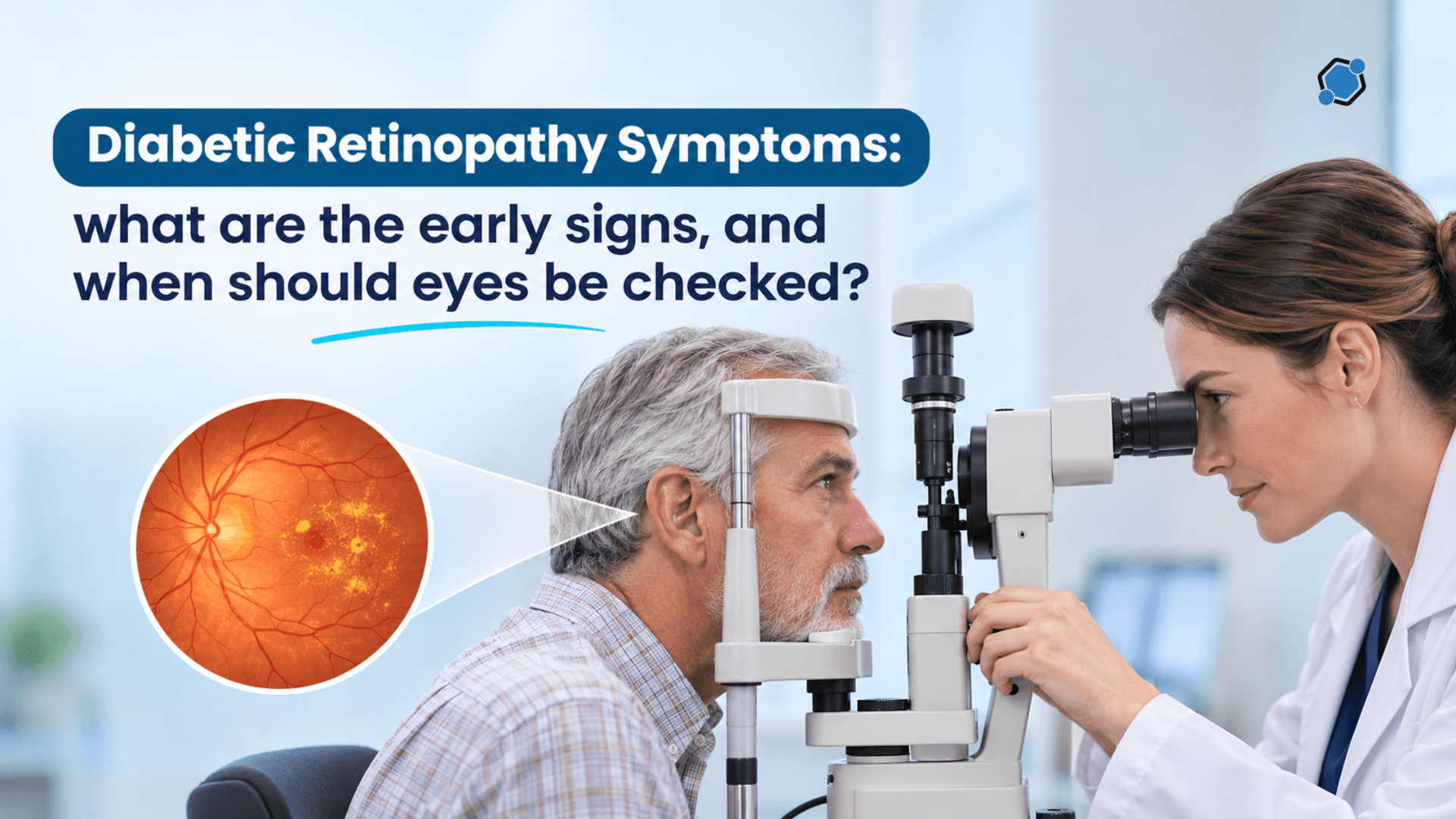
Diabetic retinopathy symptoms: what are the early signs, and when should eyes be checked?
Diabetic retinopathy symptoms usually appear only after the eye damage is well underway. E...
Vamshi Kantoju
Movember 2026: what should men know about prostate cancer, testicular cancer, and mental health?
Movember is an annual men's health campaign that runs every November, and in 2026 it conti...
ParamrajStay Informed. Stay Connected.
Get updates on verified clinical trials, emerging treatments, and research breakthroughs directly in your inbox. No spam, just science that matters.
