 HIPAA Compliant
 ISO 27001 Certified

World Pneumonia Day 2026: what is pneumonia, and how can it be prevented?
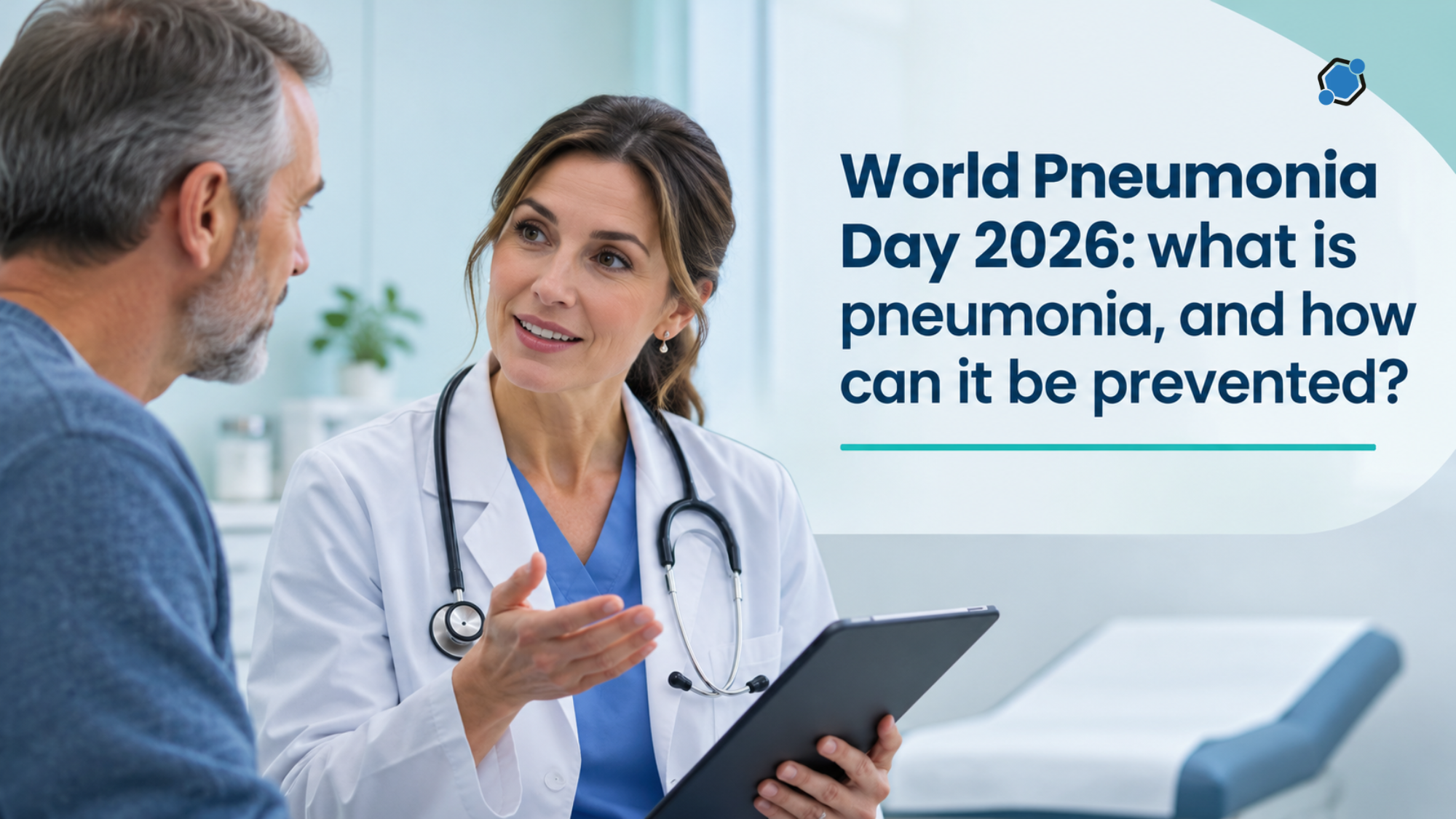
World Pneumonia Day is observed every year on November 12, and in 2026 it falls on a Thursday. The day draws attention to a lung infection that remains the leading infectious cause of death worldwide, even though much of it can be prevented and most cases can be treated. Pneumonia can affect anyone, but it is most dangerous for young children, older adults, and people living with long-term health conditions.
The observance began in 2009, when clinicians, advocates, and global health leaders came together to draw attention to what they called the forgotten killer of children. A global coalition of health organizations now leads the day. The 2026 theme, "A New Era of Pneumonia Control," recognizes recent progress in vaccines, diagnostic tools, and treatments. The sections below explain what pneumonia is, how to recognize it, who faces the highest risk, and how research is shaping prevention and care.
What is pneumonia, and what causes it?
Pneumonia is an infection of one or both lungs. Deep inside the lungs are millions of tiny air sacs called alveoli, where oxygen passes from the air into the blood. In pneumonia, these air sacs become inflamed and can fill with fluid or pus. This makes breathing harder and lowers the oxygen reaching the body.
Many different germs can cause pneumonia. They fall into three main groups:
- Bacteria. The most common bacterial cause is Streptococcus pneumoniae, often called pneumococcus. Bacterial pneumonia is usually treated with antibiotics.
- Viruses. Flu, respiratory syncytial virus (RSV), and the virus that causes COVID-19 can all lead to pneumonia. Antibiotics do not work against viruses.
- Fungi. Fungal pneumonia is less common and mainly affects people whose immune systems are weakened.
Doctors also describe pneumonia by where it was caught. Community-acquired pneumonia develops in everyday life, outside a hospital, and is the most common type. Hospital-acquired pneumonia develops during or after a hospital stay. It is often more serious and more likely to involve germs that resist common antibiotics.
Aspiration pneumonia happens when food, drink, saliva, or stomach contents are breathed into the lungs instead of swallowed. It is more common in people who have trouble swallowing, including some people who have had a stroke. The informal term "walking pneumonia" describes a milder illness, often caused by a bacterium called Mycoplasma pneumoniae, in which people feel unwell but can still go about their day.
What are the symptoms of pneumonia, and when is it an emergency?
Pneumonia symptoms can appear suddenly or build over several days, and they often resemble a bad cold or the flu at first. Common symptoms in adults include:
- A cough, which may bring up mucus
- Fever, sweating, and shaking chills
- Shortness of breath or fast, shallow breathing
- Chest pain that worsens when breathing in or coughing
- Unusual tiredness, loss of appetite, or muscle aches
Symptoms can look different in some groups. Older adults and people with weakened immune systems may have a lower than normal body temperature instead of a fever, and they may become suddenly confused or weak. In babies and young children, warning signs include fast breathing, grunting, flaring nostrils, and chest indrawing, where the lower chest sinks in with each breath instead of expanding.
To diagnose pneumonia, a doctor usually listens to the lungs and orders a chest X-ray. A small clip on the fingertip, called a pulse oximeter, estimates how much oxygen is in the blood. Blood tests and tests of coughed-up mucus can help identify the germ.
Warning signs that need urgent care
Pneumonia can become serious quickly. Anyone showing the following signs should get medical care right away, and severe trouble breathing is a reason to call 911:
- Struggling to breathe, or breathing that is very fast
- Bluish lips, face, or fingertips
- New confusion or unusual sleepiness, especially in an older adult
- The chest sinking in with each breath in a baby or young child
- Symptoms that improve and then suddenly get worse
Lung infections such as pneumonia are among the most common causes of sepsis, a life-threatening reaction in which the body's response to an infection begins to damage its own organs. Knowing the warning signs of sepsis helps families act early when an infection is getting worse.
Who is most at risk of pneumonia?
Anyone can get pneumonia, but some people are much more likely to become seriously ill. Global estimates show that children under 5 and adults over 70 carry the heaviest burden of deaths from pneumonia and related lung infections. People at higher risk include:
- Babies and young children, especially those born early or not getting enough nutrition
- Adults 65 and older
- People with long-term conditions such as COPD, asthma, heart disease, diabetes, or kidney or liver disease
- People with weakened immune systems, including those receiving cancer treatment or living with HIV
- People who smoke
- People staying in a hospital or nursing home, or who use a ventilator
Age matters because the immune system tends to weaken over time, and older adults are more likely to have other health conditions that make infections harder to fight. Pneumonia can also be harder to recognize in older adults, because the usual fever and cough may be mild or missing. Including older adults in clinical research helps make sure new vaccines and treatments are studied in the people most likely to need them.
Surroundings play a role as well. Around the world, smoke from indoor cooking and heating fuels, outdoor air pollution, and poor nutrition all raise pneumonia risk, particularly for children. Global estimates link a large share of child pneumonia deaths to malnutrition and a meaningful share of deaths in older adults to air pollution and smoking.
How can pneumonia be prevented?
Prevention is the central message of World Pneumonia Day. Vaccines are among the most effective tools available, because they protect against several of the germs that most often cause pneumonia:
- Pneumococcal vaccines protect against many strains of pneumococcus, the leading bacterial cause. Federal health officials recommend them for all children under 5, all adults 50 and older, and younger people with certain health conditions.
- The Hib vaccine, given in infancy, protects against Haemophilus influenzae type b, once a major cause of pneumonia in young children.
- Flu and COVID-19 vaccines lower the risk of viral infections that can lead to pneumonia.
- RSV protection is available for older adults and some younger adults at higher risk. Infants can be protected through a vaccine given during pregnancy or a protective antibody shot given to the baby.
Some U.S. vaccine recommendations, particularly parts of the childhood schedule, changed during 2026 and remain under court review. The most reliable step is to check the current federal immunization schedule and ask a doctor, nurse, or pharmacist which vaccines are recommended for each member of the family. It can also help to understand how vaccines are tested and monitored before and after they reach the public.
Everyday habits add another layer of protection. Washing hands, covering coughs, and staying home when sick reduce the spread of respiratory germs. Not smoking protects the lungs' natural defenses, and keeping conditions such as diabetes, heart disease, and COPD well managed lowers the chance that an ordinary infection becomes severe.
How is research changing pneumonia care?
The 2026 theme reflects advances that came through clinical trials, and research continues on several fronts.
Vaccine research is expanding protection. Newer pneumococcal vaccines cover more strains than earlier versions, and in 2026 a vaccine designed to cover more than 30 strains met its main goals in a large late-stage study in adults. Those results were reported by the developer, measured immune response rather than illnesses prevented, and have not led to an approval. Other studies are exploring combination vaccines that target several respiratory viruses at once.
Treatment research is refining how existing medicines are used. Updated expert guidance published in 2025 suggests steroid medicines, which calm inflammation, for some adults hospitalized with severe pneumonia, while advising against them in milder cases. Other studies support shorter antibiotic courses for people who are improving steadily. Shorter courses can reduce side effects and help slow antibiotic resistance, the process by which germs evolve to survive the medicines designed to kill them.
Diagnostic studies are testing whether simple blood markers of inflammation can help emergency teams decide who needs antibiotics. Some large hospital studies use an adaptive design, which allows researchers to compare several treatments at the same time and adjust the study as results come in.
Pneumonia research relies on two very different groups of volunteers. Vaccine studies often enroll healthy adults and children, while treatment studies usually enroll people who are already in the hospital. In every case, an independent ethics committee reviews the study, participants go through informed consent, and anyone can leave a study at any time. Joining a study does not guarantee a personal benefit, and some participants receive standard care or a placebo for comparison.
Frequently asked questions about pneumonia
Is pneumonia contagious?
Pneumonia itself is not passed from person to person, but many of the germs that cause it are, including flu, RSV, COVID-19, and pneumococcus. These germs spread through coughs, sneezes, and close contact. Fungal and aspiration pneumonia are not contagious. People with bacterial pneumonia are generally no longer contagious after about two days of antibiotics once their fever is gone.
How is pneumonia treated?
Treatment depends on the cause and how severe the illness is. Bacterial pneumonia is treated with antibiotics, and the full course should be taken as prescribed. Antiviral medicines may help in some viral cases, such as flu. Many people recover at home with rest and fluids, while severe cases may need hospital care, oxygen, or a ventilator.
How long does it take to recover from pneumonia?
Many people with bacterial pneumonia begin to feel better within one to three days of starting antibiotics, but full recovery can take several weeks. Tiredness and a lingering cough are common, particularly in older adults and people with other health conditions.
What is walking pneumonia?
Walking pneumonia is an informal name for a milder pneumonia in which people feel well enough to keep up their daily activities. It is often caused by Mycoplasma pneumoniae, which requires different antibiotics from those used for typical bacterial pneumonia. Cases rose in the United States after the COVID-19 pandemic, especially among young children.
What is the difference between pneumonia and bronchitis?
Bronchitis inflames the airways that carry air into the lungs. Pneumonia affects the air sacs deep in the lungs, where oxygen enters the blood. Pneumonia is usually more serious and more likely to lower the amount of oxygen in the blood.
A new era of pneumonia control starts with early action
Pneumonia remains a major global health challenge, yet the death rate among young children from pneumonia and related lung infections has fallen by about a third since 2010. Vaccines, cleaner air, better nutrition, and faster access to care drove much of that progress, and new tools now being tested in clinical trials may help extend it.
For individuals and families, the most useful actions are practical: stay current on recommended vaccines, learn the warning signs, and seek care promptly when breathing becomes difficult, especially for babies and older adults.
For people interested in pneumonia research or other respiratory studies, DecenTrialz is a clinical trial recruitment and pre-screening platform that helps connect people with relevant studies. Participants share some health information, AI matching identifies studies that may be a fit, and a registered nurse reviews the details before a referral is made to the research site. The research site team makes all final eligibility decisions, handles informed consent, and manages enrollment. Current studies can be explored at decentrialz.com.
On World Pneumonia Day and every other day, trouble breathing is a reason to seek medical care immediately.
Was this article helpful?

Similar Blogs
Cancer Biomarker Awareness Day 2026: what is cancer biomarker testing, and why does it matter?
Cancer Biomarker Awareness Day falls on Thursday, November 12, 2026. The observance center...
 Mahesh Upadrista
National Epilepsy Awareness Month 2026: what is epilepsy, and what should you do during a seizure?
National Epilepsy Awareness Month takes place every November in the United States and focu...
Swaroop ESD
Veterans Day 2026: how veterans have advanced medical research
Veterans Day falls on Wednesday, November 11, 2026. The holiday honors everyone who has se...
ParamrajStay Informed. Stay Connected.
Get updates on verified clinical trials, emerging treatments, and research breakthroughs directly in your inbox. No spam, just science that matters.
