 HIPAA Compliant
 ISO 27001 Certified

National Epilepsy Awareness Month 2026: what is epilepsy, and what should you do during a seizure?
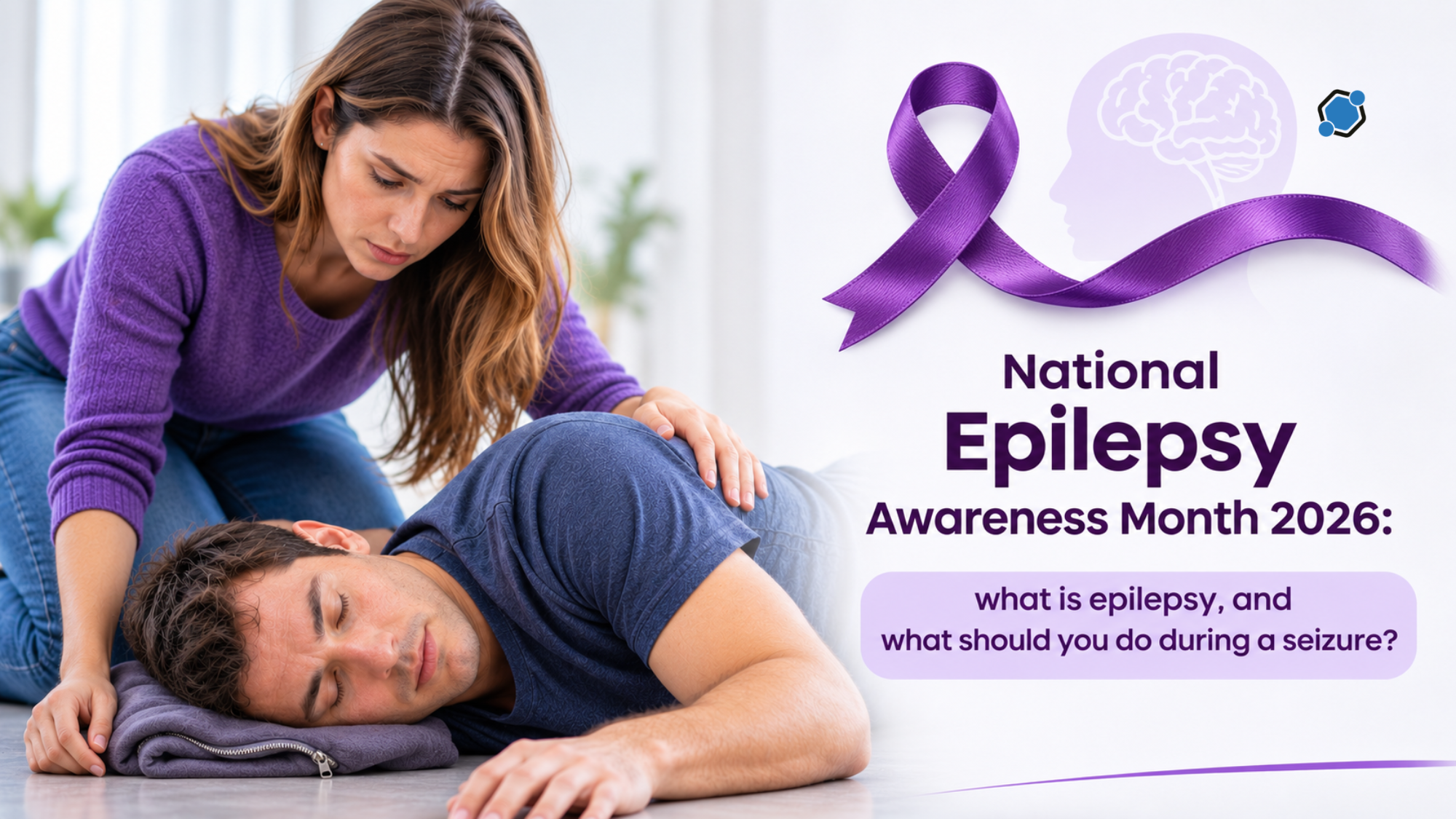
National Epilepsy Awareness Month takes place every November in the United States and focuses public attention on one of the most common neurological conditions in the world. About 1 in 26 people in the U.S. will develop epilepsy at some point in their lives, yet many people still do not recognize a seizure or know how to help someone who is having one. That gap feeds stigma, which can make it harder for people with epilepsy to work, drive, and seek care.
This article covers what epilepsy is, how to give seizure first aid, how epilepsy is treated, and why research still matters.
What is National Epilepsy Awareness Month?
National Epilepsy Awareness Month runs from November 1 to November 30. Epilepsy organizations have used November to raise awareness for decades, and in 2003 Congress passed a resolution supporting the goals of the month and urging continued support for epilepsy research at federal health agencies.
For 2026, the leading U.S. epilepsy organization has chosen the theme “Where Community Sparks Hope.” The campaign encourages people to share their experiences, learn seizure first aid, and wear purple.
Purple has been linked with epilepsy since 2008, when a 9-year-old girl in Canada founded Purple Day, observed every March 26. Lavender is widely recognized as the flower for epilepsy.
The month matters because epilepsy affects far more than seizures. Depression and anxiety are more common in people with epilepsy than in the general population, and both are treatable once they are recognized. Mental health screening is therefore an important part of comprehensive epilepsy care.
What is epilepsy, and what causes seizures?
A seizure is a sudden burst of abnormal electrical activity in the brain. During a seizure, large groups of brain cells fire at the same time and much faster than usual, which can briefly change a person’s movement, sensation, behavior, or awareness.
Epilepsy is a brain condition defined by a lasting tendency to have unprovoked seizures, meaning seizures that are not caused by a temporary trigger such as a high fever or very low blood sugar. Doctors generally diagnose epilepsy after at least two unprovoked seizures that occur more than 24 hours apart, or after one unprovoked seizure when testing shows a high chance of another. A single seizure does not automatically mean a person has epilepsy.
Types of seizures
Seizures are grouped by where they begin in the brain. Focal seizures start in one area on one side of the brain, while generalized seizures involve both sides from the start. International epilepsy experts simplified the list of seizure types in 2025, but these two groupings remain the foundation.
Not every seizure involves falling or shaking. Common examples include:
- Tonic-clonic seizures, in which the body stiffens, the arms and legs jerk rhythmically, and the person loses consciousness. These were once called grand mal seizures.
- Absence seizures, brief staring spells lasting a few seconds that are often mistaken for daydreaming, especially in children.
- Focal seizures with impaired awareness, in which a person may stare, seem confused, or repeat movements such as lip-smacking or fumbling with clothing.
- Atonic seizures, a sudden loss of muscle tone that can cause a person to drop or fall.
Causes and triggers
About half of people with epilepsy have no identified cause. When a cause is found, it usually falls into one of several groups: genetic changes, some inherited and some new in the individual; brain injury from stroke, head trauma, tumors, or infections such as meningitis; and developmental or degenerative conditions, including cerebral palsy, autism spectrum disorder, and Alzheimer’s disease.
New cases are most common in young children and in adults over about 55. Some causes, such as head injury and stroke, can be reduced through everyday brain health habits, including wearing helmets, preventing falls, and keeping blood pressure under control.
Triggers are different from causes. In someone who already has epilepsy, missed medication doses, lack of sleep, stress, alcohol, and illness can make a seizure more likely. Flashing lights affect only a small minority of people with epilepsy, despite the common belief that they trigger seizures in everyone with the condition.
Seizure first aid: what to do and when to call 911
Most seizures end on their own within a few minutes and do not require emergency care. The goal of seizure first aid is to keep the person safe until the seizure stops. The steps are often summarized as Stay, Safe, Side:
- Stay with the person, remain calm, and time the seizure from start to finish.
- Keep the person safe by moving hard or sharp objects away. If they are falling, ease them to the ground and place something soft and flat under the head.
- Turn the person onto their side if they are not fully awake and aware, which helps keep the airway clear.
- Loosen anything tight around the neck, remove eyeglasses, and check for a medical ID bracelet.
Never put anything in the person’s mouth. It is physically impossible to swallow the tongue, and objects can break teeth or cause choking. Do not hold the person down or try to stop their movements, and do not offer food, water, or pills until they are fully alert. Afterward, stay with the person and help them rest somewhere safe.
Call 911 if any of the following occur:
- The seizure lasts longer than 5 minutes.
- Another seizure begins soon after the first, before the person has recovered.
- The person has trouble breathing or does not wake up afterward.
- The person is injured, pregnant, or has diabetes.
- The seizure happens in water.
- It is the person’s first known seizure.
A seizure lasting 5 minutes or longer, or repeated seizures without recovery in between, is called status epilepticus, and it is a medical emergency. A first seizure in an adult also needs prompt evaluation, because a new seizure can sometimes signal another serious problem, such as a brain infection, head injury, or stroke. Knowing the warning signs of stroke helps people respond quickly when a sudden neurological change occurs.
How is epilepsy diagnosed and treated?
Diagnosis usually begins with a detailed description of what happened before, during, and after the event. An eyewitness account or a short phone video helps, because people often do not remember their own seizures. Care is typically led by a neurologist, a doctor who specializes in the brain and nervous system, or an epileptologist, a neurologist with additional training in epilepsy.
Common tests include:
- An electroencephalogram (EEG), which uses small sensors on the scalp to record the brain’s electrical activity. Some EEGs are paired with video recording to capture a seizure as it happens.
- Magnetic resonance imaging (MRI), which produces detailed pictures of the brain and can reveal scars, tumors, or differences in brain structure.
- Blood tests, which check for infections, chemical imbalances, and in some cases genetic causes.
Anti-seizure medications
Anti-seizure medications are the first approach for most people. More than 40 are available, and finding the right medication and dose can take time. Global estimates suggest that up to 7 in 10 people with epilepsy could become seizure-free with proper diagnosis and treatment. In the United States, however, about half of adults with active epilepsy report having had a seizure in the past year, reflecting both uneven access to specialist care and the limits of current medications.
People with epilepsy should never stop or change an anti-seizure medication without talking to their doctor. Stopping suddenly can trigger severe, prolonged seizures.
When medications are not enough
When seizures continue after two appropriate medications have been tried at adequate doses, doctors call the condition drug-resistant epilepsy. It affects roughly 1 in 3 adults and 1 in 4 children with epilepsy. Other options may then be considered, depending on the type of epilepsy:
- Epilepsy surgery, which removes or disconnects the small area of the brain where seizures begin, when that area can be safely identified.
- Neurostimulation devices, such as vagus nerve stimulation, responsive neurostimulation, and deep brain stimulation, which deliver small electrical pulses to help reduce seizure activity.
- Dietary therapy, including the ketogenic diet, a high-fat, very low-carbohydrate eating plan that requires close medical supervision.
Each option has its own benefits and risks, and results vary. Surgery and implanted devices are also an active area of neurosurgical research.
Why epilepsy research still matters
A study that followed newly diagnosed patients for about three decades found that overall outcomes had not improved substantially as newer medications arrived, which points to the need for approaches that work differently.
Several areas of epilepsy research are advancing:
- Gene-targeted medicines for rare genetic epilepsies, such as Dravet syndrome, which is often linked to changes in the SCN1A gene. Some are now in late-stage trials.
- New classes of anti-seizure medicines that act on different targets in the brain, some of which have been submitted to U.S. regulators for approval.
- Cell-based therapies being studied for drug-resistant epilepsy that begins in the temporal lobe.
- Long-term brain monitoring devices and wearable seizure detection tools that may help doctors and families track seizures more accurately.
These approaches are investigational. Early results do not guarantee that any of them will prove safe and effective in larger studies.
Clinical trials run under strict ethical and regulatory oversight. Each study has eligibility criteria, such as age, seizure type, the number of medications already tried, or a specific genetic change, which protect participants and keep results reliable. Every participant goes through informed consent, in which the study team explains the purpose, procedures, risks, and possible benefits, and participants can leave at any time. Knowing how to read an informed consent form helps people ask the right questions before agreeing to take part.
Anyone considering a study should talk with their neurologist first. A neurologist knows the person’s seizure history and medications and can help judge whether a study is a reasonable fit.
Frequently asked questions about epilepsy
When is National Epilepsy Awareness Month 2026?
National Epilepsy Awareness Month runs from November 1 to November 30, 2026.
Is epilepsy contagious?
No. Epilepsy cannot be passed from one person to another through contact, saliva, or any other means.
Is epilepsy hereditary?
Sometimes. Some types of epilepsy run in families, and others result from genetic changes that are new in the individual. Many cases have no genetic link, and about half have no known cause.
Can epilepsy be cured?
There is no universal cure, but many people become seizure-free with treatment, and some children outgrow certain childhood epilepsies. Epilepsy specialists consider the condition resolved when a person has been seizure-free for 10 years and off anti-seizure medication for at least the last 5 of those years.
Can a seizure be fatal?
Rarely. Sudden unexpected death in epilepsy (SUDEP) affects about 1 in 1,000 adults with epilepsy each year and is less common in children. Frequent tonic-clonic seizures, especially during sleep, are the main risk factor, so good seizure control is the best protection. A seizure lasting longer than 5 minutes is also a medical emergency.
Turning awareness into action this November
For people with epilepsy who want to learn whether a clinical study may be relevant to them, DecenTrialz offers a starting point. DecenTrialz is a clinical trial recruitment and pre-screening platform: people share some information about their health, AI-assisted matching identifies studies that may be relevant, and a registered nurse reviews the information before a referral is sent to a research site team. DecenTrialz is not a medical provider and does not decide who can join a study.
The research site team makes all final eligibility decisions, handles informed consent, explains the study in full, and manages enrollment. To explore studies, visit decentrialz.com, and discuss any study with a neurologist before deciding. This article is for general education and is not medical advice.
The most useful step anyone can take this month is to learn three words, Stay, Safe, Side, and to call 911 if a seizure lasts longer than 5 minutes. #NEAM2026
Was this article helpful?

Similar Blogs
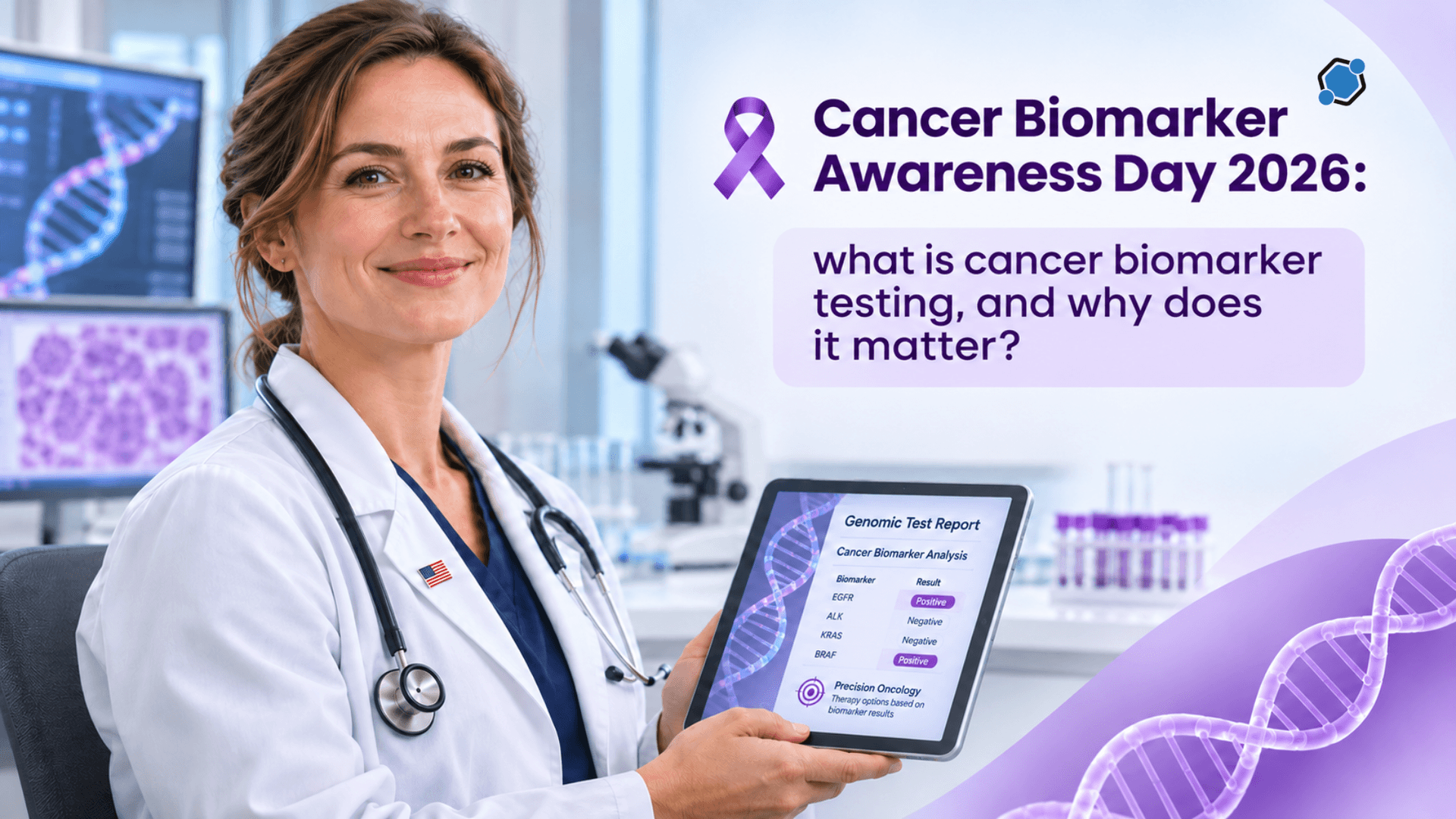
Cancer Biomarker Awareness Day 2026: what is cancer biomarker testing, and why does it matter?
Cancer Biomarker Awareness Day falls on Thursday, November 12, 2026. The observance center...
 Mahesh Upadrista

World Pneumonia Day 2026: what is pneumonia, and how can it be prevented?
World Pneumonia Day is observed every year on November 12, and in 2026 it falls on a Thurs...
Vamshi Kantoju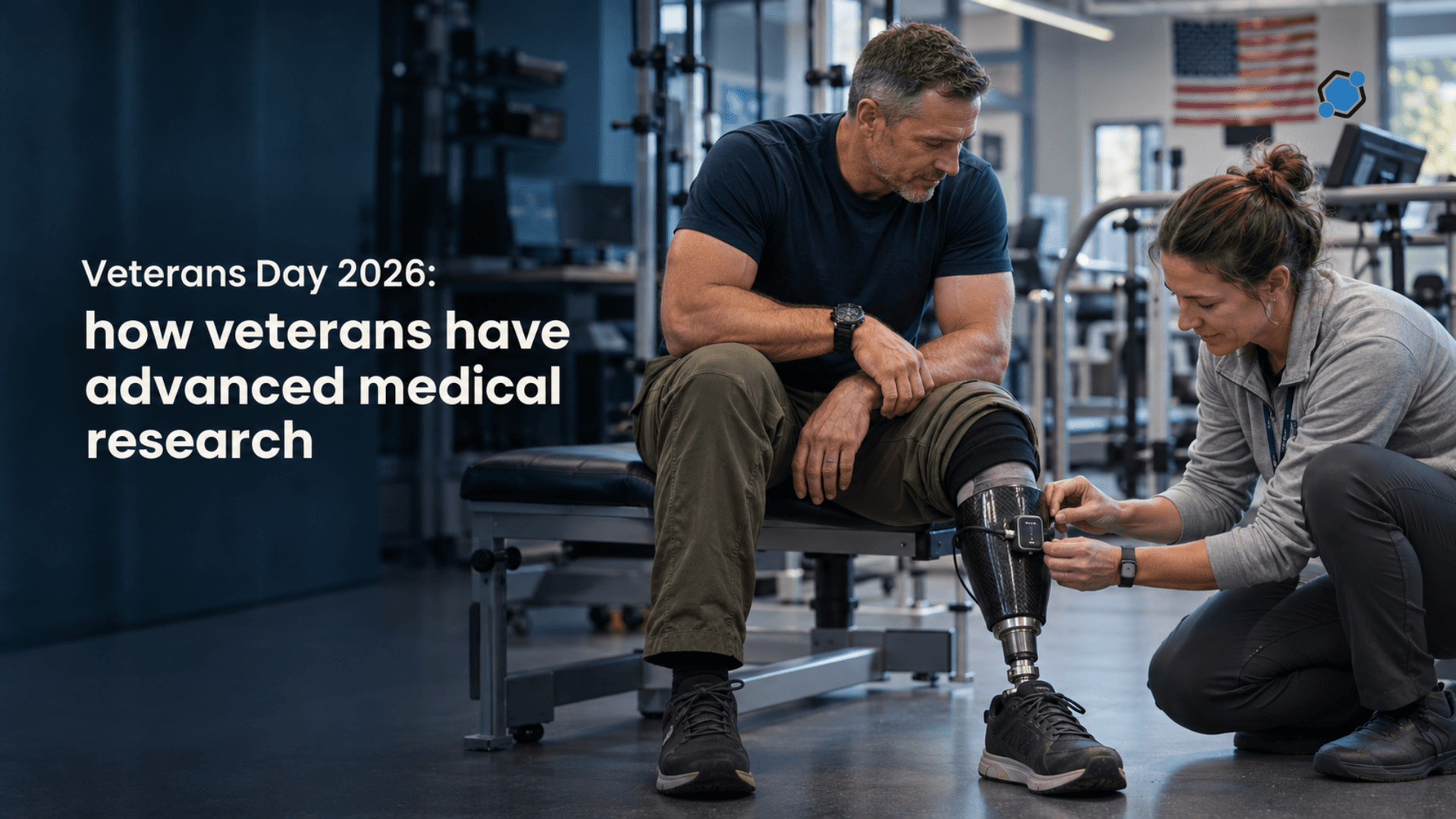
Veterans Day 2026: how veterans have advanced medical research
Veterans Day falls on Wednesday, November 11, 2026. The holiday honors everyone who has se...
ParamrajStay Informed. Stay Connected.
Get updates on verified clinical trials, emerging treatments, and research breakthroughs directly in your inbox. No spam, just science that matters.
